Cart
0
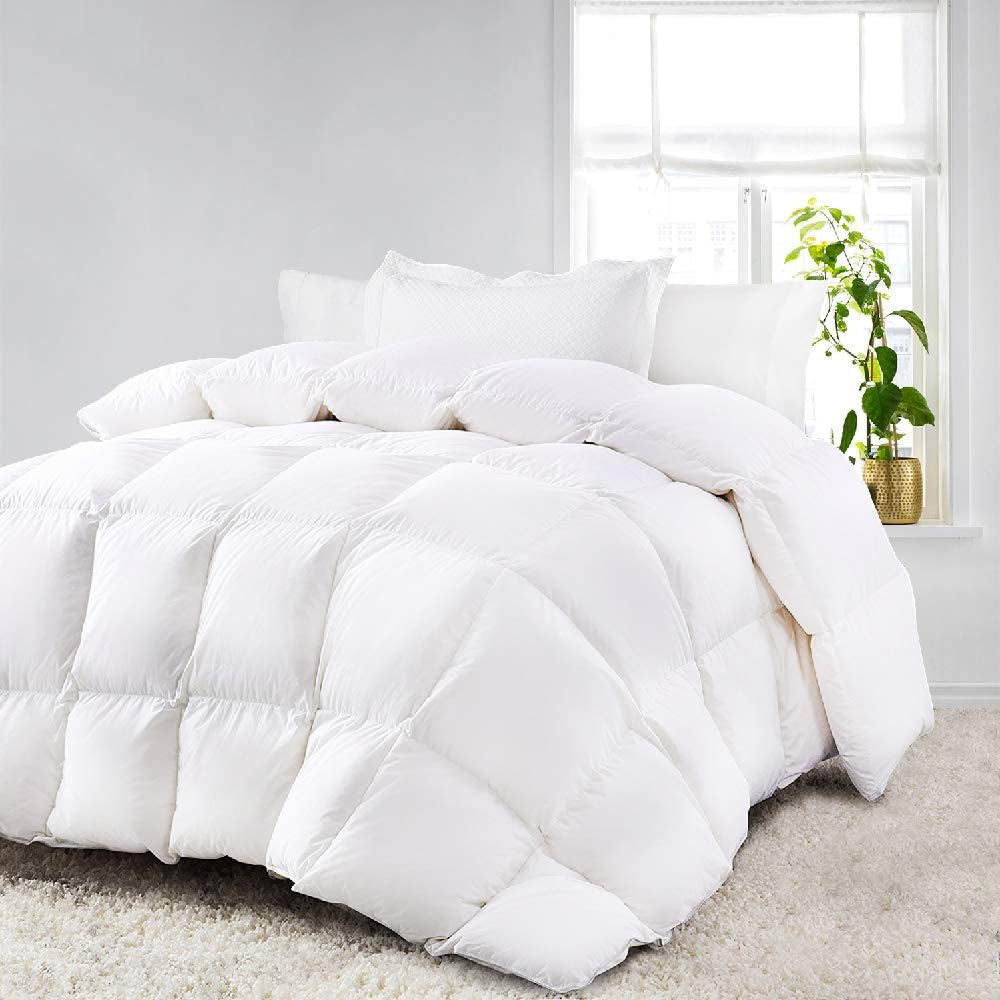
TL;DR: Choosing a doona warmth rating for an Australian winter comes down to reading its tog rating, a measure of how well a doona traps warmth. As a general guide, 3.5-4.5 tog suits summer, 7-10.5 tog covers spring and autumn, and 10.5-13.5+ tog is winter weight, best for cold nights and bedrooms without heating. The right number for you also depends on your climate, whether your bedroom is heated overnight, and how warm a sleeper you are.
Doona shopping gets confusing fast once tog ratings, GSM (grams per square metre) and vague labels like "winter weight" start turning up on the same page. The tog scale is actually simple once you know what it measures, and it is the fastest way to compare warmth across different doonas rather than guessing from a product photo. Here is how to read it and match it to your winter.
What does a tog rating actually mean?
Tog is a measure of thermal insulation, essentially how much heat a doona holds in rather than lets escape. The higher the tog number, the warmer the doona, regardless of size, brand or fabric colour. It has nothing to do with thread count or how the doona looks; it is purely about warmth.
Doonas are generally grouped into three bands, and most Australian households need at least two of them across the year:
| Tog rating | Season/climate | Best for |
|---|---|---|
| 3.5-4.5 tog | Summer | Warm nights, humid climates, hot sleepers, tropical and subtropical regions |
| 7-10.5 tog | Spring/autumn | Mild nights, transitional seasons, and mild-winter regions with indoor heating |
| 10.5-13.5+ tog | Winter | Cold nights, unheated bedrooms, southern and inland Australia, cold sleepers |
Most doonas sold as "winter" or "cold weather" sit somewhere in that 10.5 to 13.5+ tog range. Above roughly 13.5 tog, a doona is genuinely heavy-duty winter bedding, the kind suited to a cold bedroom with no heating at all rather than an average Australian winter night.
Matching doona warmth to your climate and bedroom
Tog rating is only half the equation. The right number for your bed also depends on where you live and how your bedroom behaves at night, which is why the same "winter doona" can feel perfect in one house and far too hot in another.
Consider your region. Southern and inland Australia (Victoria, Tasmania, the ACT, regional NSW and inland SA) sees genuinely cold overnight temperatures through winter, and a doona in the 10.5-13.5+ tog range is usually the comfortable choice. Coastal Queensland, the Northern Territory and much of WA rarely need anything heavier than a 7-10.5 tog doona, even in the cooler months, and a summer-weight doona may still be enough on milder nights.
Consider your bedroom, not just your city. A bedroom with ducted heating running overnight, good insulation and double glazing behaves very differently to an older weatherboard room with a draughty window. If your bedroom stays warm overnight, you can often get away with a lighter tog than the regional average. If it is one of the colder rooms in the house, lean toward the higher end of the winter range. Our guide to making your bedroom cosy in winter covers draught-proofing, layering and warm lighting that all affect how warm the room feels before the doona even comes into it.
Consider how you sleep. Hot sleepers are often more comfortable a band lower than the regional guide suggests, while people who feel the cold easily may prefer the top of the range, or a combo doona (more on that below) so they can adjust night to night.
Combo (all-seasons) doonas explained
A combo, or all-seasons, doona is really two doonas in one: a lighter doona (often around 3.5-4.5 tog) and a mid-weight doona (often around 7-9 tog), joined by poppers or ties so they can be used separately or clipped together.
- Use the lightweight doona alone in summer.
- Use the mid-weight doona alone in spring and autumn.
- Clip both together for winter, giving you a combined tog rating in the winter range without buying a third doona.
The appeal is flexibility: one purchase covers most of the year, and you are not storing an unused doona for eight months at a time. The trade-off is that a combo set is bulkier to store and wash than a single doona, and the combined warmth is fixed by whichever two pieces you bought, so it is worth checking the individual tog rating of each layer before you buy if you want a specific winter warmth.
Doona weight (GSM) versus tog rating
Not every doona is labelled with a tog number. Many are described instead by GSM, the weight of the filling in grams per square metre, especially wool and microfibre doonas sold in multiple weights for different seasons.
GSM and tog are related but not the same measurement, and there is no single fixed conversion between them because filling type changes how efficiently a doona traps heat. Wool, for instance, traps warmth differently to microfibre at the same weight. As a rule of thumb:
- A lighter GSM (roughly 200-350gsm for many fillings) tends to sit in the summer-to-spring range.
- A mid GSM (roughly 400-500gsm) tends to suit spring and autumn.
- A heavier GSM (600gsm and above) is generally sold as winter weight.
If a doona's listing gives you a tog number, use that as your primary guide, since it is a direct measure of warmth. If it only gives GSM, treat the season label ("summer," "all-seasons," "winter weight") as the more reliable indicator, and use the GSM mainly to compare within the same product range rather than across different brands or fill types.
Layering for extra warmth without overheating
If your current doona is close but not quite warm enough on the coldest nights, layering is usually a better fix than jumping straight to the next tog band, which can leave you too hot on an average night.
- Add a lightweight doona underneath or a wool underlay for a night or two of extra warmth during a cold snap, without buying heavier bedding for the whole season.
- Choose a warmer quilt cover fabric. Brushed or flannelette quilt covers add a noticeable layer of warmth over the doona itself.
- Warm the bed before you get in, rather than warming the doona. An electric blanket underneath you heats the bed itself, which is a different job to the doona sitting on top and is generally more effective for a genuinely cold bed than adding doona weight alone.
- Keep direct heat sources for the living areas, not the doona. A heated throw is built to sit over you while you are awake on the couch, not as a substitute for the right tog doona overnight. Our guide to choosing an electric heated throw rug explains how a throw for the lounge room differs from bedding designed for sleeping under, and what to look for if you want gentle warmth while reading or watching television on a cold evening.
Signs your doona is the wrong weight for winter
A few clear signals that your current doona does not match your winter, rather than a problem with the room:
- Waking up cold or reaching for extra blankets most nights suggests your tog rating is too light for your climate or bedroom.
- Kicking the doona off or waking up too warm, even in a cool room, suggests it is heavier than you need.
- Feeling fine some nights and cold on others is common in regions with variable winter temperatures, and is exactly the situation a combo doona is designed to solve.
Shopping by weight if there is no tog number
If you are comparing doonas that list GSM rather than tog, look for ones explicitly positioned as winter weight rather than all-seasons, since the label reflects how the filling was chosen for that range. Our winter-weight microfibre doona is filled heavier specifically for the cooler months, which is the kind of listing worth checking against the GSM guide above if a printed tog rating is not provided.
Frequently asked questions
What tog rating doona do I need for an Australian winter?
Most Australian winters call for a doona in the 10.5-13.5+ tog range, particularly in southern and inland areas. Coastal and northern regions with milder winters can often stay comfortable with a 7-10.5 tog doona, especially in a heated bedroom.
How many togs is a warm doona?
A doona from around 10.5 tog upward is generally considered warm, or winter weight. Above roughly 13.5 tog, a doona is heavy-duty winter bedding suited to genuinely cold, unheated rooms rather than an average winter night.
Is a 15 tog doona too warm for Australia?
For most Australian bedrooms, yes, a doona around 15 tog is likely to feel too warm, since it sits above the typical winter range. It may suit a consistently very cold, unheated room or someone who feels the cold strongly, but it is worth comparing against a standard 10.5-13.5 tog doona first.
What's the difference between a doona, a quilt and a duvet?
In Australia, "doona" and "duvet" both refer to the same filled bedding item, while "quilt" is often used interchangeably with both, though it can also mean a stitched decorative bedcover. All three sit inside a quilt cover or doona cover for washing and style.
What tog is a combo (all-seasons) doona?
It depends on the two pieces included, but a typical combo pairs a lighter doona (around 3.5-4.5 tog) with a mid-weight doona (around 7-9 tog), giving a combined winter tog when clipped together, roughly in the 10.5-13.5 tog range.
Does a doona's GSM tell me its tog rating?
Not directly. GSM measures the weight of the filling, while tog measures thermal insulation, and the relationship between them changes with the filling type. Use tog when it is listed, and treat GSM mainly as a way to compare within the same doona range rather than across different fillings.
Can I use two lighter doonas together instead of buying a winter doona?
Yes, layering two lighter doonas is a workable way to add warmth for a cold snap or before buying dedicated winter bedding, though a proper winter-weight or combo doona is generally more comfortable and easier to manage long-term than doubling up every night.