Cart
0
Quick answer: Allow 90 cm to 105 cm of clearance around the whole table for chairs and walking, then site it for afternoon shade rather than for the view — a west-facing table without shade is unusable in an Australian summer.
TL;DR: Outdoor dining areas fail on two measurements and one orientation. The measurements are clearance and per-person width: a chair needs roughly 60 cm to pull out, and about 90 cm to 105 cm total lets someone walk behind a seated guest. Allow around 60 cm of table edge per person. The orientation is shade — in Australia the useful hours are decided by where the sun is at 4pm, not by where the outlook is best, and a beautiful spot that bakes from 3pm gets used twice. Once those are settled, lighting is what extends the space past sunset, and solar handles it without wiring or an electrician.
Key facts
- Allow 90 cm to 105 cm of clearance around a table for chairs plus walking room.
- A chair needs roughly 60 cm to pull out and be sat in comfortably.
- Allow about 60 cm of table edge per person.
- Site for afternoon shade rather than for the view — 4pm sun decides usability.
- Solar lighting needs 4 to 6 hours of direct sun, delivering 6 to 10 hours of light.
- IP65 is the practical minimum rating for anything left outdoors permanently.
The Measurements That Decide Everything
Clearance is the number people get wrong.
| Clearance around table | What it allows |
|---|---|
| 60 cm | Chair pulls out only; nobody can pass |
| 90 cm | Chair pulls out plus someone can squeeze past |
| 105 cm+ | Comfortable walking behind seated guests |
Under 90 cm and someone gets up every time another person needs to pass. That is the difference between a table used for meals and one used for drinks standing up.
Allow about 60 cm of table edge per person. A 180 cm long table seats three per side comfortably, not four.
Measure the usable area, not the deck. Subtract the door swing, the barbecue, any air-conditioning unit and the path to the door.
Our guide on setting up a small balcony covers the same maths where the space is genuinely tight.
Orientation: Shade Before View
Sit in the space at 4pm before committing. That single hour decides whether the area gets used through summer.
West-facing needs shade before it needs anything else. Late afternoon sun is the hottest part of an Australian day and lands exactly at dinner preparation time.
Prevailing wind matters as much as sun. Wind ruins an outdoor meal faster than heat does — it takes napkins, cools food and makes candles pointless.
Proximity to the kitchen is underrated. An outdoor dining area a long way from where food is prepared gets used for occasions rather than for Tuesday dinner, which is most of the value.
Shade That Works
External shade beats anything you can do afterwards. A pergola, shade sail or awning intercepts sun before it reaches you.
Deciduous planting shades in summer and lets sun through in winter, which no mechanical solution achieves.
Check what shade does to wind. A solid structure catches wind like a sail; permeable filters it. On an exposed site, permeable is safer.
Our guide on getting your outdoor area ready for spring covers checking shade structures after winter, since a sail that has held water has usually stretched.
Lighting Extends the Hours
This is what turns a lunch space into a dinner space.
Layer it. Ambient over the table, path lighting for the route, and something at table level.
Solar avoids wiring entirely. A set of solar fairy string lights covers 20 m with 200 LEDs, is IP65 rated, and states about 6 hours of sun for 6 to 7 hours of light. Run it above the table rather than around the perimeter — light overhead is what makes a table feel like a room.
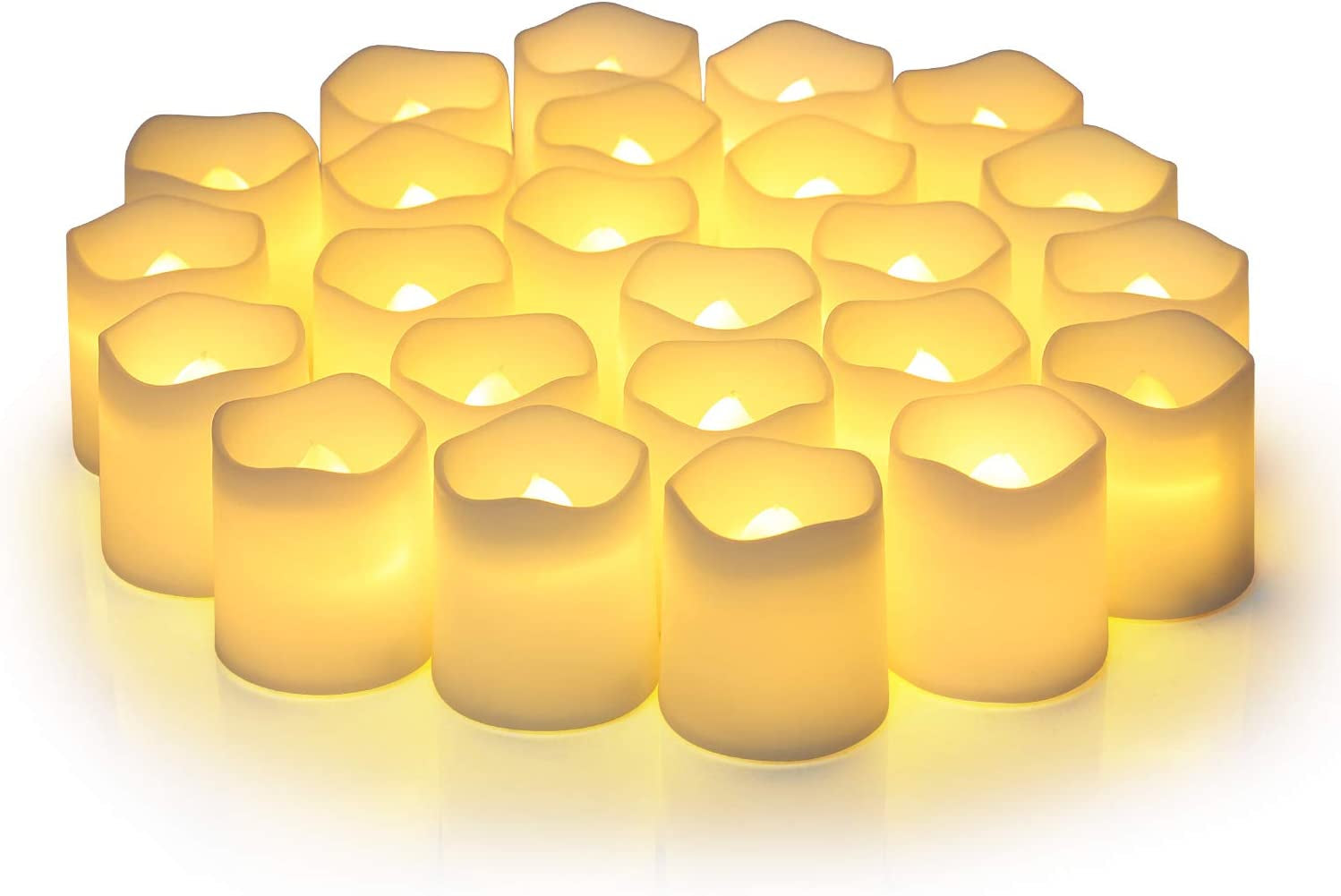
Table-level light does the atmosphere. Flameless LED tea lights run over 100 hours per battery and do not blow out — a genuine advantage outdoors, where a real flame near a tablecloth in a breeze is a hazard.
Light the route to the door. A solar motion sensor wall light with a 120-degree angle and 8 to 10 m detection covers the approach without lighting the table.
Charge solar well before you need it — our guide on choosing solar lights covers charge ratios and why a stored unit needs several cycles.
Anything mains-powered outdoors is electrical work and in Australia must be carried out by a licensed electrician.
Drinks and Service
Keep drinks off the dining table. A separate drinks position stops the table crowding and stops you standing up.
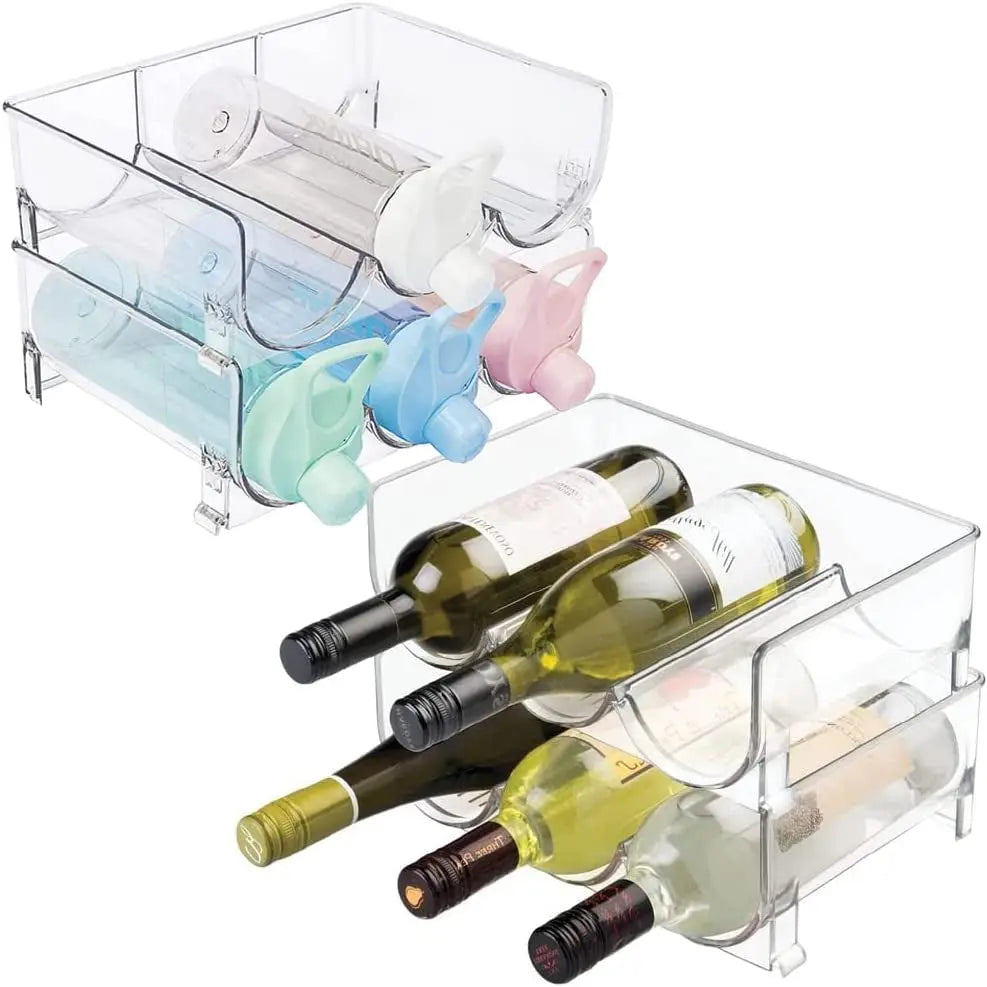
Bottles need containing outdoors, where there is no fridge shelf to hold them. A stackable water bottle and wine organiser holds six across two stacked racks.
A surface near the barbecue matters more than a bigger table. Plates going on and off need somewhere to land.
Our guide on how to set a dining table covers the table itself, and planning an outdoor gathering covers larger events.
Materials, Briefly
Coastal properties are hard on powder-coated steel. Once the coating chips it rusts, and rust stains the surface below. Aluminium and good-grade stainless steel survive salt air far better.
Australian UV is harder than most manufacturer guidance assumes. Plastic joints go brittle over a few summers.
Glass table tops need a squeegee, not abrasives. Our guide on storing and caring for outdoor furniture covers material care and why cushions must be stored completely dry.
Ready to Lay It Out?
Measure the clearance first — 90 cm minimum, 105 cm if you can — then sit in the space at 4pm before deciding where the table goes. Shade and lighting are what make it a place people eat rather than a place people look at. Browse the full Pattan Australia range for outdoor lighting and drinks storage.
Frequently asked questions
How much space do you need around an outdoor dining table?
Allow 90 cm to 105 cm of clearance on every side. A chair needs roughly 60 cm just to pull out, and anything under 90 cm means people must stand up whenever someone else passes behind them, which is the most common reason an outdoor table stops being used for meals.
How many people fit at an outdoor dining table?
Allow about 60 cm of table edge per person. A 180 cm table therefore seats three comfortably per long side rather than four. Crowding an extra place onto each side is the fastest way to make a table feel unusable.
Where should an outdoor dining area go?
Where there is shade at 4pm, not where the view is best. Late afternoon sun is the hottest part of an Australian day and lands at dinner preparation time. Proximity to the kitchen matters too — a table far from the food gets used for occasions rather than everyday meals.
How do you light an outdoor dining table?
Layer it: solar string lighting run above the table rather than around the perimeter, flameless candles at table level, and a motion sensor light covering the route to the door. Overhead light is what makes an outdoor table feel enclosed like a room.
What material is best for outdoor furniture in Australia?
Aluminium and good-grade stainless steel near the coast, since powder-coated steel rusts once its coating chips and the rust then stains surfaces beneath. Australian UV also makes plastic joints brittle faster than most guidance assumes, so metal-framed pieces generally outlast plastic-jointed ones.
Do you need an electrician for outdoor dining lighting?
Only for mains-powered fittings — installing an outdoor power point or hardwired light is electrical work and must be done by a licensed electrician in Australia. Solar and battery lighting avoid the question entirely, which is why they suit rentals and quick setups.