Cart
0
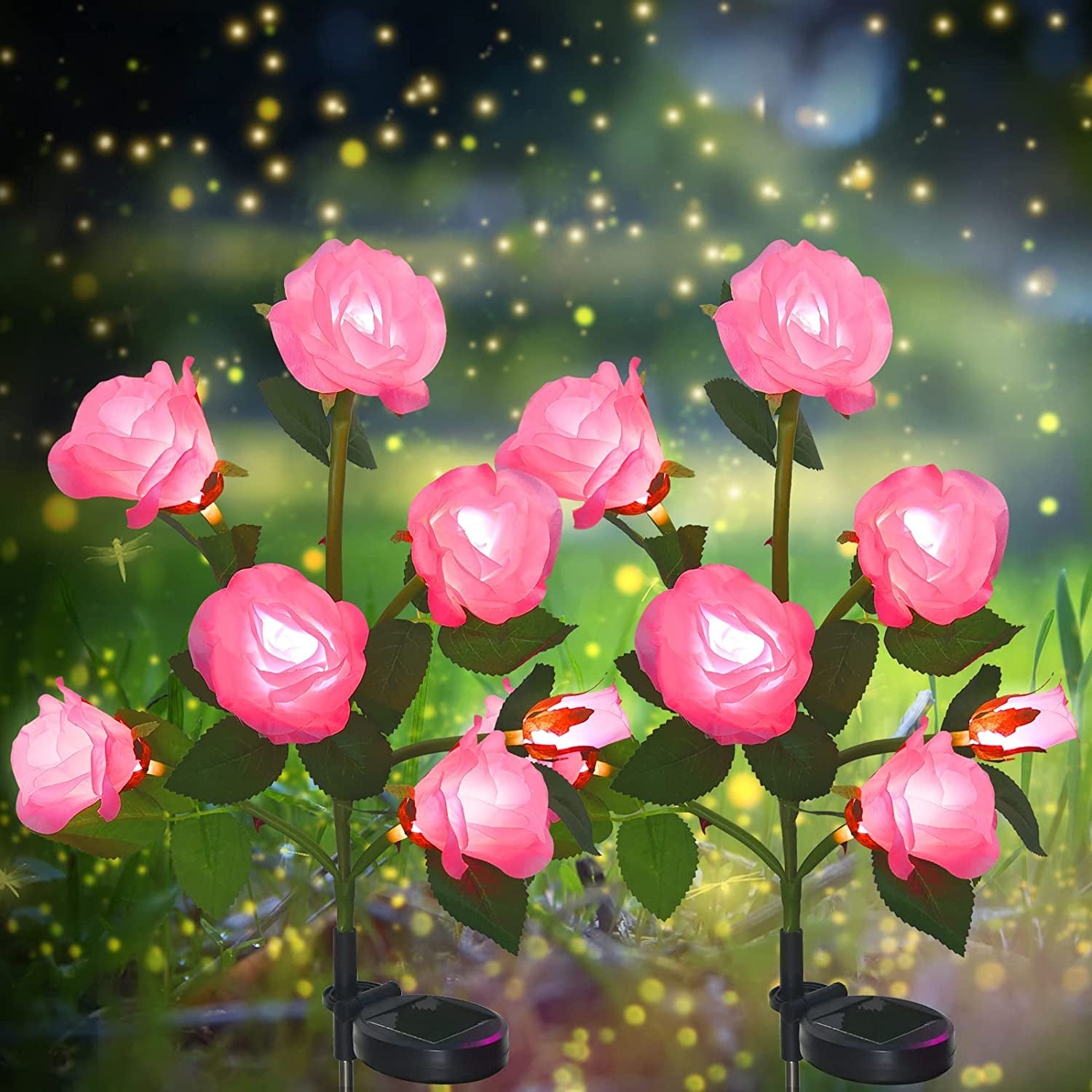
Quick answer: Judge a solar light on three numbers — charge time, run time and IP rating — and on one physical question: can the panel sit in direct sun where you need the light to be?
TL;DR: Solar lighting fails for reasons that have nothing to do with the light itself. The panel ends up in shade, the battery ages out, or a unit rated for light rain gets a summer downpour. Get those right and solar is the best value outdoor lighting available, because it needs no wiring, no electrician and no running cost. The specification that matters most is the relationship between charge and run time — 4 to 6 hours of direct sun should deliver 6 to 10 hours of light, and anything claiming far more than that from far less is worth doubting. Look for IP65 as a minimum, prefer units where the panel separates from the light so you can aim each independently, and accept that the rechargeable battery is a consumable that will need replacing before the light does.
Key facts
- Solar lights typically need 4 to 6 hours of direct sunlight for a full charge.
- A full charge should deliver roughly 6 to 10 hours of light.
- IP65 is the practical minimum rating for anything left outdoors permanently in Australia.
- A dirty panel is the single most common cause of poor performance.
- On many string lights the lights are weatherproof but the battery box is not.
- The rechargeable battery is a consumable and will age before the LED does.
The Three Numbers
Charge time and run time, together
Neither number means much alone. A light claiming 12 hours of run time is only useful if you know what charge it needs.
The realistic relationship is 4 to 6 hours of direct sun for 6 to 10 hours of light. A set of solar pathway lights states 4 to 6 hours of charge for up to 10 hours of light, at 200 lumens and 70 cm tall — that is a plausible ratio.
Battery capacity is the honest indicator. A solar fairy string light set publishes an 800 mAh battery delivering 6 to 7 hours from about 6 hours of sun across 20 m and 200 LEDs. Published capacity is a better signal than a marketing run-time figure.
Winter changes everything. Shorter days and lower sun angles mean less charge. A light that runs all night in January may manage a few hours in July. Plan for the worst month, not the best.
IP rating
IP65 is the practical minimum for anything permanently outdoors — dust-tight and protected against water jets.
Lower ratings suit covered areas only, such as under a pergola or eave.
Check the battery box separately. On many string lights, the lights themselves are weatherproof while the battery compartment is not. Site that box under cover regardless of the headline rating.
Lumens, in context
Solar lights are not floodlights, and mostly should not be. Pathway lighting at 200 lumens is doing a different job from a security light.
| Purpose | Rough output | What matters most |
|---|---|---|
| Ambient / decorative | Low | Run time, warmth of light |
| Pathway marking | 100–200 lm | Spacing, height, consistency |
| Security / motion | Higher | Detection range and angle |
| Task / utility | Highest | Usually better served by rechargeable, not solar |
For genuine task lighting, a rechargeable 30 W, 1,500 lm work light with IP65 and high, low and strobe modes is the honest answer — you charge it from mains rather than depending on the sun.
The Physical Question: Where Does the Panel Go?
This decides more outcomes than any specification.
The panel needs direct sun. The light needs to be where you want light. Those are frequently not the same place — a path beside a fence is shaded exactly where the light belongs.
Integrated units put panel and light together. Simple, but you must site them for the panel and accept the light lands there too.
Separate-panel units run a cable between the two, letting you put the panel on a sunny roof or fence and the light under a tree. On a shaded property this is the difference between working and not.
North-facing gets the most sun in Australia. A south-facing wall or courtyard gets substantially less, which is where solar most often disappoints.
Watch for seasonal shade. A spot that is sunny in December can be shaded in June as the sun angle drops.
Types, and What Each Is For
String and fairy lights for ambience over a seating area. A 20 m solar fairy light with 8 modes covers a fence line or pergola run.
Pathway and stake lights for safe movement. Space them evenly and consistently — irregular spacing reads as broken rather than designed.
Motion sensor lights for doors, gates and security. A solar motion sensor wall light offers a 120-degree sensor angle and 8 to 10 m detection with three modes, including a dim-until-triggered setting that suits a seating area better than full brightness.
Our guides on choosing outdoor string lights and outdoor motion sensor lights go deeper on each type.
Why Solar Lights Stop Working
In order of how often each is the actual cause:
- Dirty panel. A film of dust or salt blocks charging. Wipe it and performance usually returns immediately.
- Panel in shade. Often seasonal — nothing changed except the sun angle.
- Aged battery. Rechargeable cells lose capacity over years. On many units the battery is replaceable, which effectively resets the light.
- Water ingress at the battery box, usually on a unit rated lower than its exposure.
- The switch. More units are "faulty" because a small on/off switch got knocked than anyone expects.
Check in that order before replacing anything.
Care Through the Year
Wipe the panels seasonally, and more often near the coast where salt film builds faster.
Bring decorative sets in over a long wet period if they are not rated for it.
Charge before you need them. A stored unit needs several full cycles before it holds a whole night — which is why lighting is the first job in our guide on getting an outdoor area ready for spring, and why it appears a week ahead in our outdoor gathering timeline.
Anything mains-powered is a different job. Installing an outdoor power point or hardwired fitting is electrical work and in Australia must be carried out by a licensed electrician. Solar avoids that entirely, which is much of its appeal for renters — our guide on setting up a small balcony covers that case.
Ready to Choose?
Check the charge-to-run ratio, insist on IP65 for anything permanently outdoors, and above all work out where the panel can actually sit in direct sun. If the answer is nowhere, buy a separate-panel unit or use rechargeable rather than fighting the physics. Browse the full Pattan Australia range for solar and outdoor lighting.
Frequently asked questions
How long do solar lights take to charge?
Typically 4 to 6 hours of direct sunlight for a full charge, which should deliver roughly 6 to 10 hours of light. Be sceptical of claims of far longer run times from far shorter charges. Expect noticeably less in winter, when both day length and sun angle drop.
What IP rating do solar garden lights need?
IP65 as a minimum for anything left outdoors permanently — dust-tight and protected against water jets. Lower ratings suit covered areas only. Check the battery box separately, since on many string lights the lights are weatherproof while the battery compartment is not.
Why have my solar lights stopped working?
Check in this order: a dirty panel blocking charge, the panel sitting in shade (often seasonal as the sun angle changes), an aged rechargeable battery that no longer holds capacity, water ingress at the battery box, and finally the on/off switch, which is knocked more often than people expect.
Can solar lights work in shade?
The light can sit in shade, but the panel cannot. Choose a unit where the panel separates from the light on a cable, so the panel can be mounted in direct sun while the light goes where you actually want it. Integrated units must be sited for the panel.
Are solar lights bright enough for security?
For marking a path or a doorway, yes. For genuine security or task lighting, a motion sensor unit with a stated detection range is a better fit, and for real work light a mains-rechargeable unit is more honest than solar, since it does not depend on the previous day's weather.
Do solar light batteries need replacing?
Yes. The rechargeable cell is a consumable and loses capacity over years, well before the LED fails. On many units it is user-replaceable, which effectively restores the light for a fraction of the cost of a new one — worth checking before buying.