Cart
0
Quick answer: Buy things that make a daily task easier without announcing that it was hard — better light, easier-to-open storage, more comfortable seating — and avoid anything that frames the gift as a response to ageing.
TL;DR: The gifts that land well with grandparents are the ones that quietly reduce friction in something they already do every day. The gifts that land badly are the ones that read as commentary on their capability. That distinction matters more than the item itself. A brighter lamp is welcome; a lamp presented as "so you can see better now" is not. Practically, the highest-hit-rate categories are lighting, comfort and organisation — all things people put off replacing, all used daily. Avoid anything requiring new technology they did not ask for, anything needing installation, and anything that arrives with instructions. And if they say they want nothing, they usually mean they want nothing that creates obligation, not that they want nothing at all.
Key facts
- Gifts that reduce daily friction get used; gifts that imply decline do not.
- Lighting is the highest-value practical upgrade and the least likely to be bought for oneself.
- Avoid anything requiring new technology, installation or a learning curve they did not ask for.
- Consumables carry no obligation to display, keep or maintain.
- If they say they want nothing, they usually mean nothing that creates obligation.
The Framing Matters More Than the Item
The same gift can land two completely different ways.
"I saw this lamp and thought it would look good in your reading corner" works. "This lamp is brighter so you can see" does not — even though it is the same lamp and the same intent.
Never present a gift as a solution to ageing. It converts a kind gesture into a comment.
Practical does not mean clinical. Something well-made that happens to be easier to use is a good gift. Something that looks like equipment is not.
Lighting: The Best Practical Upgrade
Almost nobody replaces their own lighting, and almost every home has a room that is dimmer than it should be.
A floor lamp with integrated shelving, a drawer and a USB port suits a reading chair — three brightness levels, a pull-chain switch rather than a fiddly app, shelves and a drawer for the things that usually pile beside a chair. It is 26 × 26 × 159.5 cm with a 2.6 m cord and includes a globe.
Pull chains and physical switches beat apps. A light that requires a phone is a light that eventually goes unused.
Better globes are a small, genuinely useful gift. A B22 bayonet LED at 15 W and 1,350 lm with CRI 90 gives good colour rendering, which matters for reading and for anything involving fine detail. Check the cap first — our light bulb fitting types guide covers B22 versus E27, and how many lumens you need per room covers getting the level right.
Changing a globe or plugging in a lamp is a household job. Anything hardwired is electrical work and in Australia must be done by a licensed electrician.
Comfort That Gets Used Daily
Seating comfort is used every single day and is almost never bought for oneself.
A memory foam lumbar support cushion moves between an armchair, a car seat and a desk chair, with dual adjustable straps so it stays in place and a breathable mesh cover.
Bedding is a genuine upgrade, provided the size is right. Confirm it in centimetres — our Australian bed sizes chart covers every size and the fitted-sheet depth issue. A cooling bamboo sheet set suits Australian conditions, and our guide on how often to wash sheets explains why a second set is often more useful than a fancier single one.
Organisation That Removes Friction
Things that are hard to find get looked for daily.
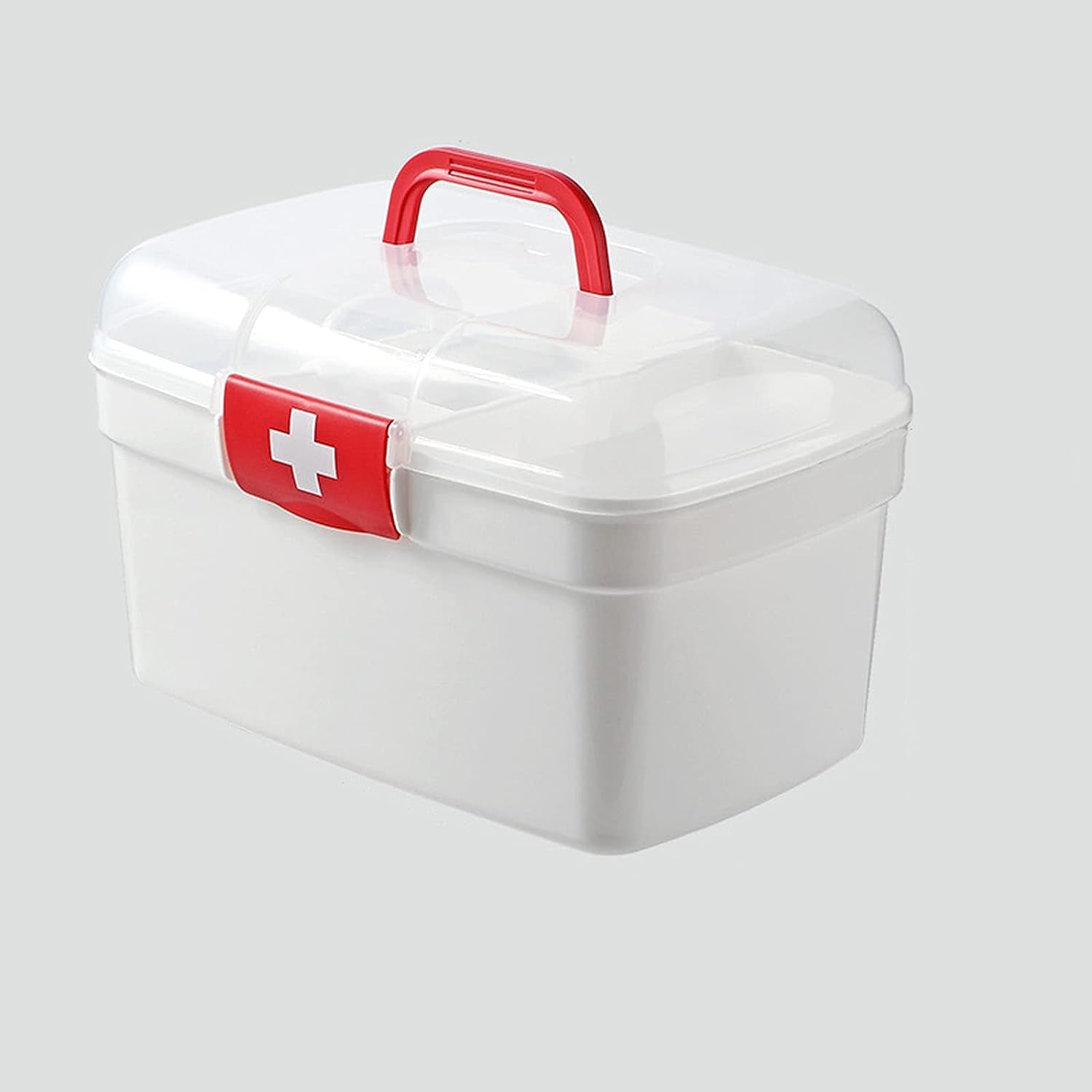
A multi-purpose first aid and medication storage box uses a double-layer design with a detachable tray, so everyday items separate from the rest, and a buckle closure that opens easily but stays shut if knocked. Presented as "somewhere everything lives" rather than as a medical item, it is genuinely welcome.
A set of foldable fabric storage bins at 25 × 25 × 25 cm each handles the accumulation that any long-occupied home carries.
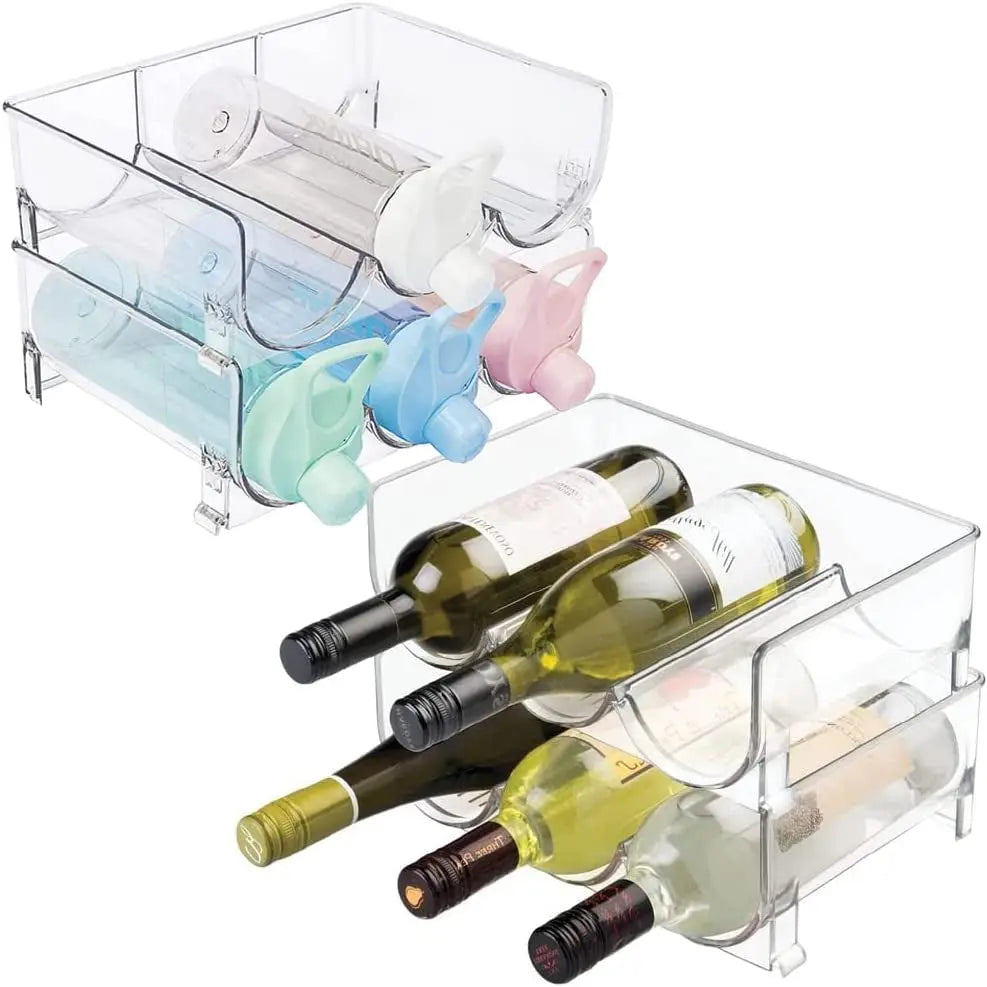
Kitchen storage that opens easily. Containers with buckle or clip lids rather than stiff seals matter more than they sound. Our guide on choosing food storage containers covers what to look for.
Atmosphere Without Risk
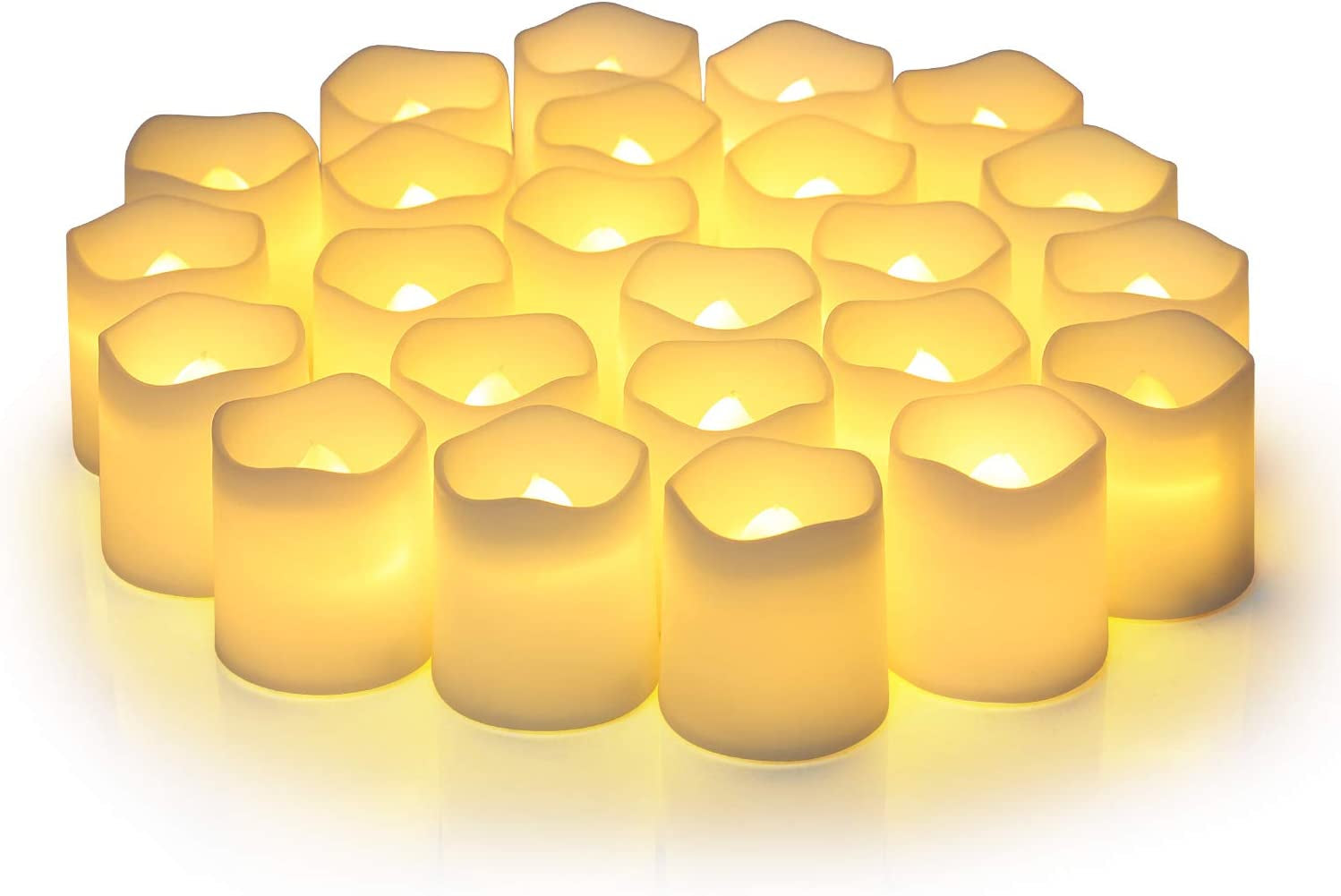
Flameless LED tea lights give the flicker of candlelight with over 100 hours per battery and no flame — worth choosing on their own merits, particularly anywhere a real candle might be left burning. Our flameless candles guide covers where they work best.
What to Avoid
- Anything requiring new technology they did not ask for. A device with an app is a gift that becomes a support call.
- Anything needing installation unless you are doing the installing.
- Clutter. Many older homes are already full; adding objects is not a favour.
- Anything framed around decline. Covered above, and it is the biggest one.
- Gifts that create obligation — something so large it demands reciprocation, or something needing ongoing maintenance.
- Novelty items. Same reasoning as clutter.
If They Say They Want Nothing
They usually mean nothing that creates obligation.
Consumables are the answer. Good food, something they would not buy themselves. Used up, nothing to store, nothing to display, no obligation.
Or give time rather than an object. For many grandparents it is the more welcome gift by a wide margin, and it costs nothing but planning.
Or replace something worn out. They own something tired that still works and never reaches the top of the list. Replacing it is never a duplicate and never presumes anything — the same principle covered in our guide for people who are hard to buy for.
Ready to Choose?
Lead with lighting, comfort and organisation, because all three are used daily and rarely replaced. Then check the framing — the same item lands well or badly depending entirely on how you present it. Browse the full Pattan Australia range.
Frequently asked questions
What do you buy grandparents who have everything?
Replace something they own a worn-out version of, or give a consumable. Both avoid duplication entirely. Lighting is the most reliable upgrade category, since almost nobody replaces their own lighting and most homes have a room dimmer than it should be.
What are good practical gifts for older parents?
Better lighting for a reading area, seating comfort such as a supportive cushion, and organisation that makes daily items easier to find. All three are used every day and rarely bought for oneself, which is what makes them land.
What should you not buy grandparents?
Anything requiring new technology they did not ask for, anything needing installation, novelty items, and anything that adds clutter to an already full home. Most importantly, avoid anything framed as a response to ageing, since that converts a kind gesture into a comment.
How do you give a practical gift without it seeming like a comment on ageing?
Frame it around the room or the pleasure rather than the capability — "this would look good in your reading corner" rather than "this is brighter so you can see". The item can be identical; the framing determines entirely how it is received.
What if grandparents say they do not want anything?
They usually mean nothing that creates obligation. Consumables work well because they are used up and leave nothing to store or display. Time together is frequently the more welcome gift, and replacing something worn out avoids presuming anything at all.
Is bedding a good gift for grandparents?
Yes, provided you confirm the bed size in centimetres rather than trusting the size name, and check the fitted-sheet depth against the mattress. Breathable fibres suit Australian conditions, and a second set is often more useful than a single more expensive one.