Cart
0
Quick answer: Buy something they use daily but would never replace themselves — the worn-out, the mismatched, or the thing they have quietly put up with for years — rather than trying to find something they do not already have.
TL;DR: People are rarely hard to buy for because they lack things. They are hard to buy for because they either already buy what they want, or they have no stated interests to aim at. Both are solved the same way: stop searching for a category they are missing and start looking for a category they are tolerating. Everyone owns something worn out that still works, so replacing it is never a duplicate and never competes with a choice they made deliberately. The other reliable approach is to buy something consumable or something that improves a daily routine they cannot avoid — sleeping, cooking, getting ready. Avoid the two traps: novelty items, and anything highly decorative in a specific style, which asks them to display your taste in their home.
Key facts
- The reliable gift is a replacement for something worn out, not a new category.
- Consumables cannot duplicate an existing item, which makes them the safest option.
- Anything decorative in a strong style asks the recipient to display your taste.
- Gifts that improve an unavoidable daily routine get used regardless of interests.
- A gift receipt removes the awkwardness of duplicates entirely.
Why They Are Actually Hard to Buy For
There are only really two versions of this problem, and they have different answers.
They buy what they want, when they want it. Nothing sits on a wishlist long enough for you to catch it. The answer here is the upgrade — something better than they would justify buying for themselves, in a category they already use.
They have no visible interests to aim at. No hobby to buy for, no collection to add to. The answer here is the daily routine, because everyone has those whether or not they have hobbies.
Both are solved by looking at what they tolerate, not what they lack. Every home contains something worn out that still technically works and never quite reaches the top of the list to replace.
The Four Categories That Work
1. The worn-out replacement
This is the highest hit rate of any gift category. It cannot be a duplicate, because they already own the thing — you are replacing it.
Look for: bedding bought a decade ago, a lamp that was always meant to be temporary, storage that is mismatched, kitchen items that are stained or chipped.
The evidence is usually visible if you have been in their home. You do not need them to tell you.
2. The daily routine improvement
Everyone sleeps, cooks and gets ready regardless of whether they have hobbies.
Bedding is the strongest example, because almost nobody replaces it on time — but check the size first. Our Australian bed sizes chart covers every size in centimetres and the fitted-sheet depth issue that catches people out.
Lighting is the second. A floor lamp with integrated shelving, a drawer and a USB port does several jobs at once, which suits a smaller home. It measures 26 × 26 × 159.5 cm with three brightness levels and a 2.6 m cord.
3. The consumable
Consumables cannot duplicate anything. They get used up, which is the point, and they carry no obligation to display or keep.
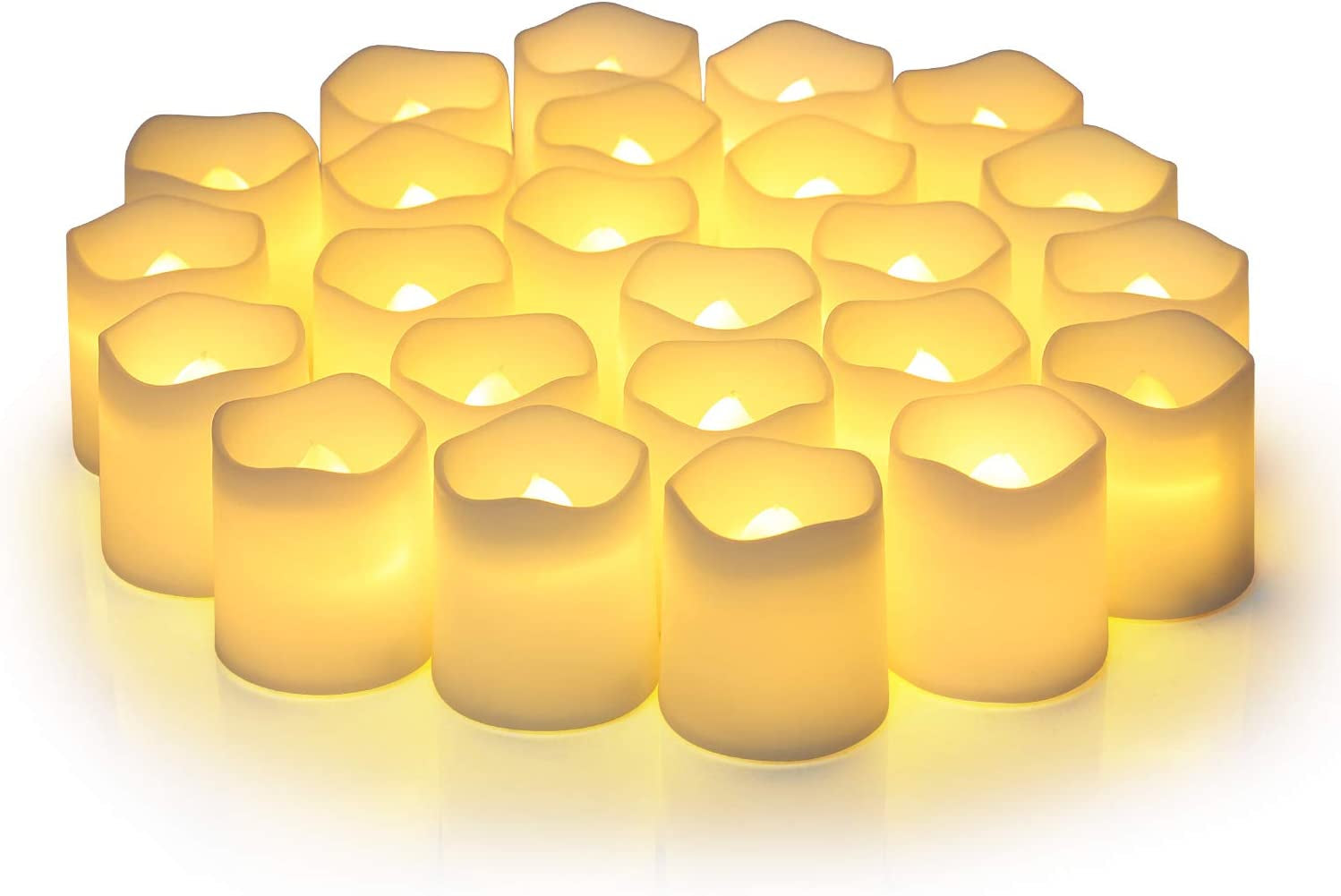
Food, candles, good soap. Flameless LED tea lights sit adjacent to this — reusable rather than consumed, but with the same low-obligation quality, and they suit homes with pets or small children where real candles do not. Our flameless candles guide covers where they work.
4. The invisible infrastructure
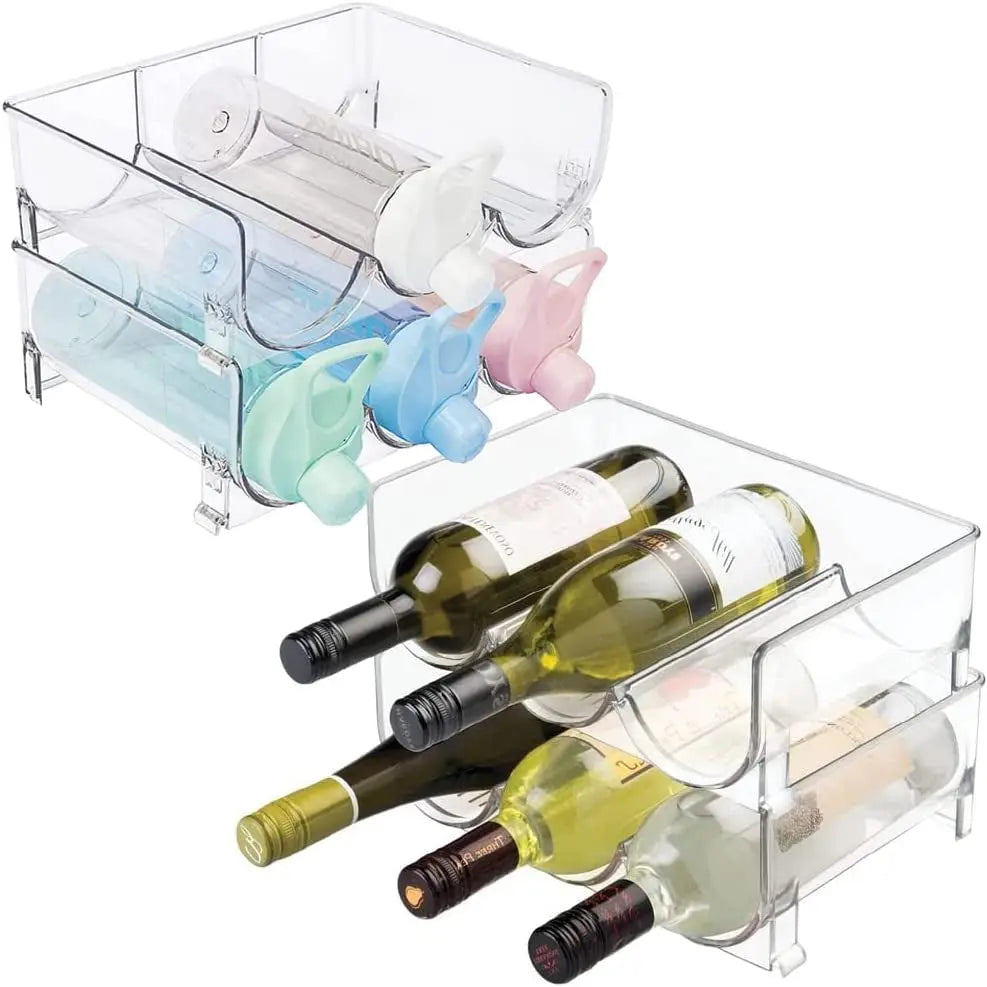
Storage and organisation is bought by almost nobody voluntarily and used by everybody.
A set of four foldable fabric storage bins at 25 × 25 × 25 cm each suits shelving and folds flat when not in use.
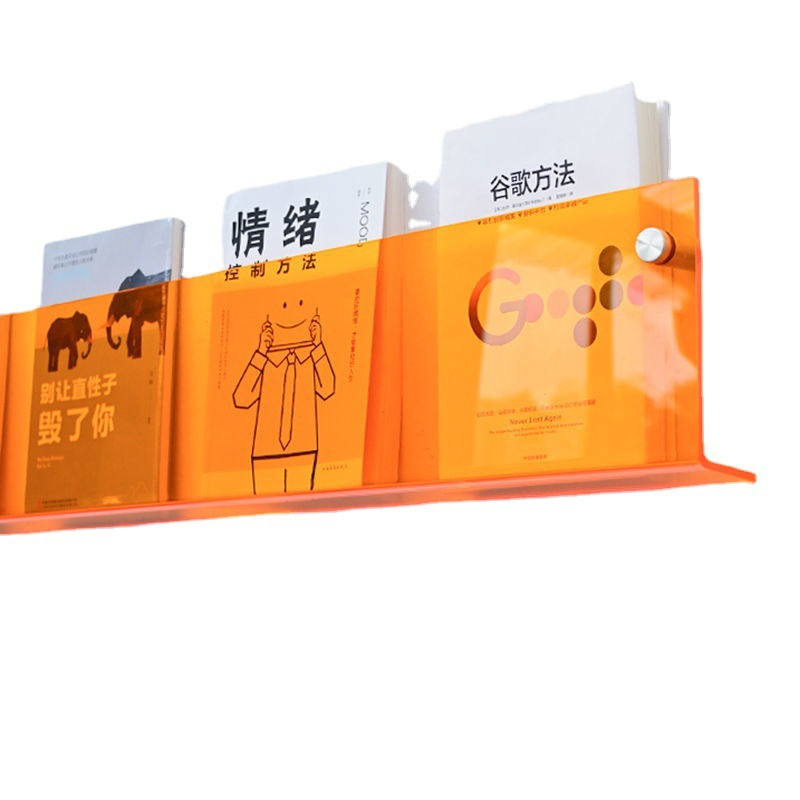
For someone with books and no wall storage, a clear acrylic wall-mounted shelf comes in 60 cm, 80 cm and 100 cm lengths and visually disappears against the wall, which suits a renter or a small room. A retro diamond iron and timber wall shelf at 50 × 19 × 50 cm is the decorative version. Our guide on how to style a bookshelf pairs well with either.
The Questions That Narrow It Down
Ask yourself these in order. Most people find an answer by the third.
- What do they own a worn-out version of?
- What do they do every single day without fail?
- What did they mention wanting to sort out, in passing? People telegraph this constantly and it rarely registers as a gift hint.
- What would they never justify spending on themselves? Not extravagant — just never top of the list.
- What room in their home is unfinished? There is almost always one.
What to Avoid
- Novelty items. Funny once, then in a cupboard forever.
- Anything strongly decorative in a specific style. You are asking them to display your taste in their home, permanently.
- A hobby item for a hobby you are not sure they still have.
- Anything requiring assembly or installation unless you know they own the place and will actually do it.
- A gift that creates obligation — something so large it demands reciprocation, or something requiring ongoing maintenance.
- Guessing at sizes. The single most common near-miss, especially with bedding.
For Specific People
| If they… | Try |
|---|---|
| Have everything and buy it themselves | An upgrade to something they use daily |
| Have no stated hobbies | A daily-routine improvement |
| Just moved | Storage and organisation |
| Live in a rental | Nothing requiring drilling or permanent fixing |
| Host often | Table and entertaining pieces |
| Cook seriously | See our guide for keen cooks |
| Just got married | See our wedding gift guide |
| Work from home | See our home office guide |
| Moved into a first home | See our housewarming guide |
Two Things That Remove the Risk Entirely
Include a gift receipt. It is not impolite. It quietly solves duplicates and sizing without a conversation.
Give something with a use rather than a place. A gift that has a job gets used. A gift that needs a spot on a shelf has to earn that spot against everything already on it.
Ready to Decide?
Stop looking for what they are missing and look for what they are tolerating. The worn-out replacement is the highest-hit-rate gift there is, because it cannot duplicate anything and it improves something they use daily. Browse the full Pattan Australia range or the kitchen storage collection.
Frequently asked questions
What do you buy someone who has everything?
Buy an upgrade rather than an addition. Someone who has everything still owns things that are worn out, mismatched or bought cheaply years ago, and replacing one of those cannot duplicate anything they already have. Bedding, lighting and storage are the categories people most reliably tolerate rather than replace.
What is a good gift for someone with no hobbies?
Something that improves a daily routine, since everyone sleeps, cooks and gets ready regardless of interests. This approach works precisely because it does not depend on knowing what they enjoy, only on knowing what they do.
Are gift cards a bad gift?
They are not a bad gift, but they transfer the decision back to the recipient rather than solving it. If you want the gift to feel considered, a specific replacement for something they own a worn-out version of communicates more thought for the same money.
What should you avoid giving as a gift?
Novelty items, anything highly decorative in a strong style, hobby items for hobbies you are unsure they still pursue, and anything needing installation unless they own the home. Also avoid guessing sizes, particularly with bedding, which is the most common near-miss.
How do you buy a gift for a renter?
Choose things that need no drilling, no permanent fixing and no landlord conversation, and that move house easily. Freestanding storage, lighting that plugs in, and battery or solar items all qualify. Avoid anything that has to be mounted to a wall.
Is it rude to include a gift receipt?
No. It is practical and widely understood as considerate rather than dismissive. It quietly resolves duplicates and sizing problems without either party having to raise them, which is particularly useful for bedding and anything size-dependent.