Cart
0
Quick answer: Assemble one kit in one known location containing light, first aid, water, a charged power bank and a battery radio — then test every light source before storm season starts, because a torch that has sat in a drawer for a year is usually flat.
TL;DR: Australian storm season runs roughly October to April across the north and east, and the preparation that matters is unglamorous. Almost every blackout problem comes down to two things: not being able to find the kit in the dark, and light sources that were never tested. Fix both and the rest is straightforward. Keep everything in one container, in one place everyone in the house knows, at a height you can reach without a ladder. Prefer rechargeable lighting you top up seasonally over loose batteries you forget to replace. Never use candles as your primary light during a blackout — flameless alternatives remove the one genuinely dangerous variable. And do the testing in August or September, not on the night.
Key facts
- Australian storm season runs approximately October to April in the north and east.
- Test every torch, lantern and power bank before the season starts, not during an outage.
- Rechargeable lights avoid the most common failure: flat or corroded stored batteries.
- Keep the kit in one known location, reachable without a ladder or a torch.
- Never rely on candles as primary lighting during a blackout.
- Photograph your insurance documents and store the images offline as well as in the cloud.
Build One Kit, Not Six Scattered Items
The single biggest failure is not being able to find things in the dark. A torch in the kitchen drawer, batteries in the shed and the first aid kit in a bathroom cupboard is not a plan.
Use one container everyone knows about. A sturdy box with a handle, stored somewhere reachable without climbing.
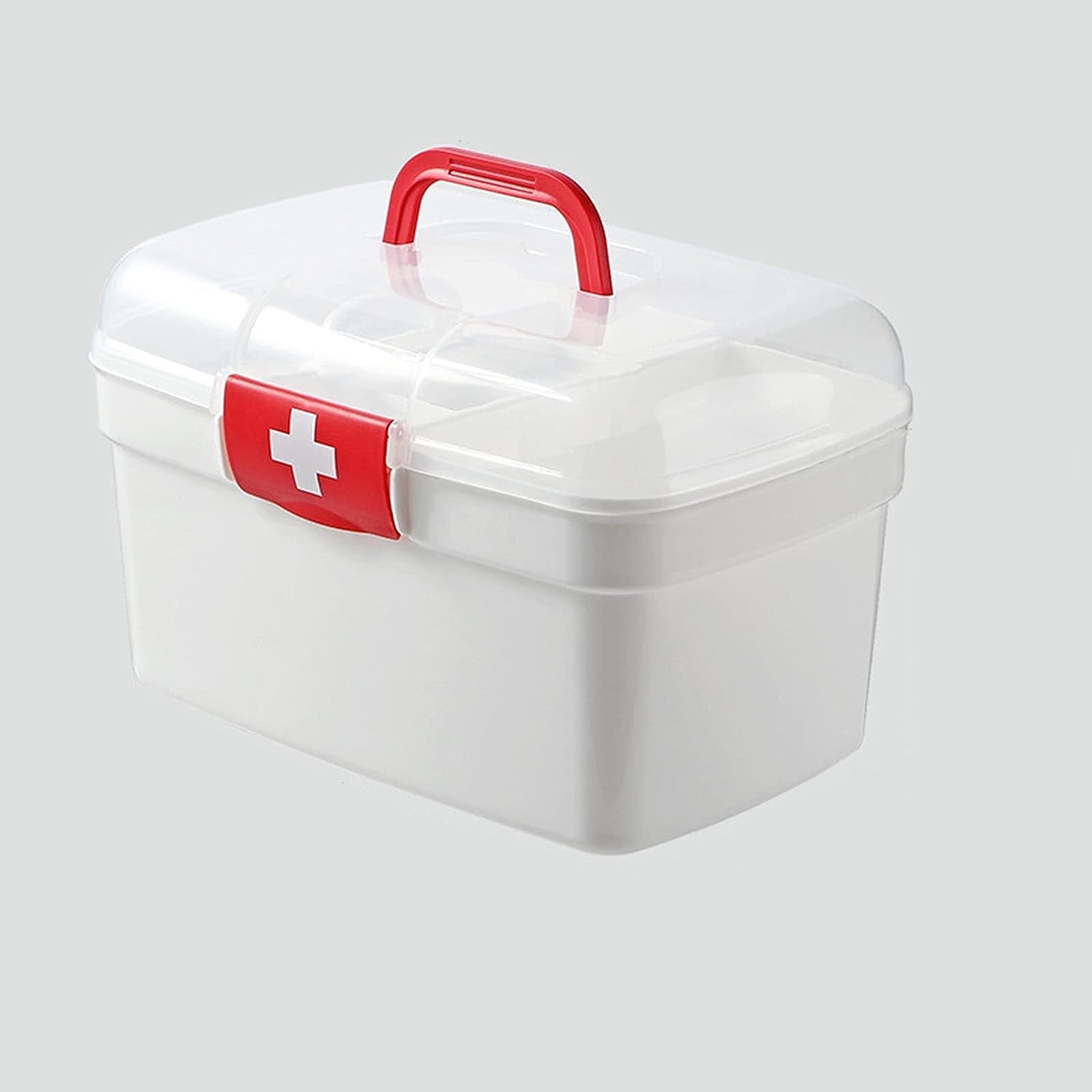
Keep first aid in its own labelled container inside that. A multi-purpose first aid kit box with a detachable tray uses a double-layer design so dressings and everyday items separate from anything else, and the buckle closure means it stays shut if it gets knocked or carried. A lockable medication storage box with a sealed lid suits homes where medication needs to stay out of reach of children, and its seal also keeps moisture out — which matters in a humid Australian summer.
Store the rest in a container you can carry one-handed. A set of foldable fabric storage bins at 25 × 25 × 25 cm each works for grouping the non-fragile items, and they collapse flat out of season.
What Actually Goes in It
| Item | Why | Check before season |
|---|---|---|
| Rechargeable light or lantern | Primary lighting | Charge fully, confirm run time |
| Backup torch | Redundancy | Fresh batteries, test it |
| Power bank | Phone stays usable | Charge to full |
| First aid kit | Injury, no pharmacy access | Check use-by dates |
| Bottled water | Supply may be affected | Rotate stock |
| Battery or wind-up radio | Emergency broadcasts when data is down | Test reception |
| Printed contact list | Phones fail or flatten | Update annually |
| Cash, small notes | EFTPOS goes down with power | Keep it separate |
| Manual can opener | Obvious in hindsight | — |
| Spare medication | Pharmacies may be shut | Check dates |
The radio is the item people skip and regret. Mobile networks can fail or congest during a widespread outage; AM/FM broadcast usually keeps running.
Cash matters more than people expect. No power means no EFTPOS at the servo or the local shop.
Lighting: The Part Worth Getting Right
Rechargeable beats loose batteries for anything stored long-term. Stored batteries flatten, and alkaline cells left in a device for a year can corrode and destroy it.
A rechargeable portable LED work light is a good primary unit: 30 W producing 1,500 lumens, with high, low and strobe modes and an IP65 rating, so it works outdoors in rain as well as inside. The strobe mode is genuinely useful for signalling. It ships with rechargeable lithium batteries rather than relying on a stored supply.
Solar is the one light source that recharges itself. Solar fairy string lights are decorative rather than functional, but a set already installed outdoors keeps a path visible during an outage at no ongoing cost, and they are IP65 rated. A solar motion sensor wall light by a door keeps an entry usable with no mains supply at all — a real advantage when the power is out.
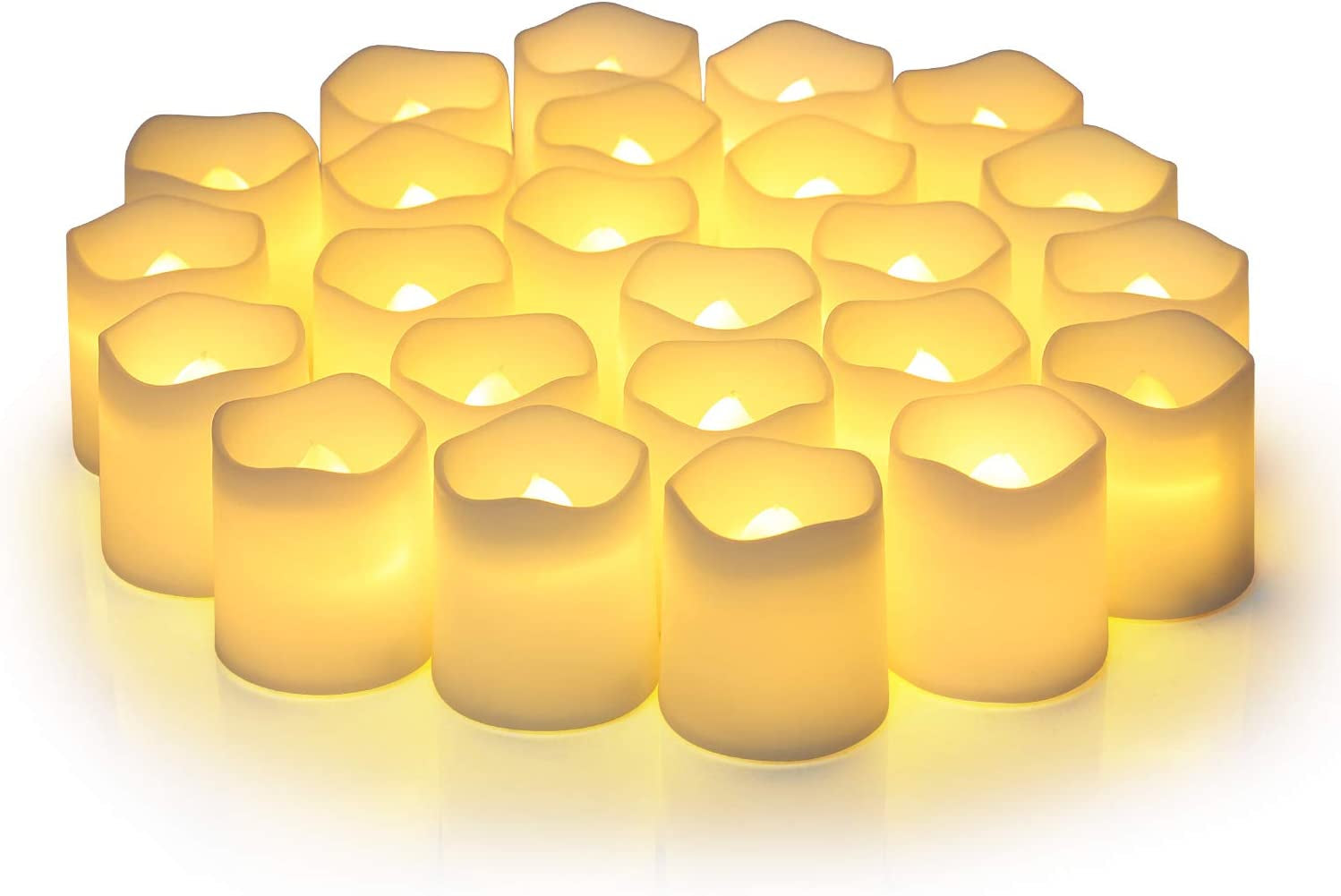
Do not use candles as primary lighting. An unattended flame in a dark house with people moving around is the one genuinely dangerous element of a blackout. Flameless LED tea lights give the same low ambient light with over 100 hours per battery and no flame, which matters most in homes with children or pets.
Test everything in August or September. A light that has sat unused since last summer is the most likely thing to fail.
Anything involving the switchboard, a generator connection or fixed wiring is electrical work. In Australia that must be carried out by a licensed electrician — never attempt it yourself, and especially not during an outage.
Before the Storm Arrives
- Clear the gutters and downpipes. Blocked drainage is what turns rain into water inside the house.
- Secure or store loose outdoor items. Furniture, umbrellas, pots and bins become projectiles in high wind.
- Trim branches over the roof and powerlines — the latter through your network operator, never yourself.
- Charge everything when a warning is issued: phones, power banks, laptops.
- Fill containers with water if you are on tank or pump supply, since a pump without power delivers nothing.
- Move valuables off the floor in any area that has flooded before.
- Know how to open your garage door manually. Electric doors do not work without power and the manual release is not obvious in the dark.
During an Outage
- Keep the fridge and freezer closed. An unopened fridge holds temperature for hours; opening it repeatedly is what spoils the food. Our guide on how to organise a fridge covers the 5°C target and why the danger zone starts there.
- Switch off and unplug sensitive appliances to protect them from the surge when supply returns.
- Leave one light switched on so you know the moment power comes back.
- Use the radio rather than refreshing your phone, which drains the battery you may need.
After: What to Check
Assess the fridge and freezer honestly. Food that has been above 5°C for an extended period should be discarded rather than risked. Our guide on how to store fruit and vegetables covers what keeps and what does not.
Check for water ingress in ceilings, around windows and at floor level.
Watch for damp in the following weeks. Water that entered during a storm shows up later as musty cupboards and marks on walls. Our guide on stopping condensation and damp covers drying out properly, and a moisture absorber helps in enclosed spaces like wardrobes and cupboards that stay shut.
Recharge and repack the kit immediately. The most common reason a kit fails is that it was used once and never restocked.
Ready to Get Set Up?
Build one kit, keep it somewhere everyone can find in the dark, and test the lighting now rather than in October. Rechargeable and solar remove the failure mode that catches most households — flat batteries in a device nobody has opened in a year. Browse the full Pattan Australia range for lighting, first aid storage and containers.
Frequently asked questions
What should be in a blackout kit in Australia?
A rechargeable light or lantern, a backup torch, a charged power bank, a first aid kit, bottled water, a battery or wind-up radio, a printed contact list, small notes of cash, a manual can opener and any spare medication. Keep it in one container in a known, reachable location.
When is storm season in Australia?
Roughly October to April across northern and eastern Australia, though timing varies by region. That makes August and September the sensible window for preparation, since everything needs testing and charging before conditions arrive rather than during them.
Are rechargeable or battery torches better for emergencies?
Rechargeable is generally better for anything stored long-term, because stored alkaline batteries flatten over time and can corrode inside a device and ruin it. The trade-off is that rechargeables need topping up seasonally, so add it to a calendar rather than relying on memory.
Is it safe to use candles during a power outage?
Candles should not be your primary lighting. An unattended flame in a dark house where people are moving around is the most genuinely dangerous element of a blackout. Flameless LED alternatives give similar low ambient light without any flame risk.
How long does food stay safe in the fridge during a blackout?
Keep the door closed and an unopened fridge holds temperature for several hours. The rule that matters is temperature, not time alone — food held above 5°C for an extended period sits inside Australia's food safety danger zone of 5°C to 60°C and should be discarded rather than risked.
What should you do immediately before a storm hits?
Charge phones and power banks, clear gutters and downpipes, secure or store loose outdoor furniture and bins, move valuables off the floor in flood-prone areas, fill water containers if you rely on a pump, and confirm you know how to release the garage door manually.