Cart
0
Quick answer: Store most vegetables in the fridge crisper, keep bananas, tomatoes, potatoes, onions, garlic and unripe stone fruit on the bench, and always separate ethylene-producing fruit from ethylene-sensitive vegetables.
TL;DR: Three rules cover almost everything. First, some produce ripens with a gas called ethylene and some is damaged by it, so keeping the two apart is the single highest-impact change you can make. Second, cold damages certain produce — refrigerating a tomato costs you flavour and turns the texture mealy, and refrigerating a potato converts starch to sugar. Third, moisture is what actually rots things, so wash produce when you use it rather than when you put it away, and give damp greens something absorbent. Get those three right and most of what people throw out simply stops being thrown out.
Key facts
- Ethylene-producing fruit and ethylene-sensitive vegetables must be stored separately.
- Potatoes, onions, garlic, bananas, whole tomatoes and unripe stone fruit belong out of the fridge.
- Refrigerating potatoes converts their starch to sugar, which alters taste and cooking behaviour.
- Washing produce before storage shortens its life, because residual moisture accelerates rot.
- Onions and potatoes stored together spoil faster; keep them apart and both keep longer.
- A fridge running above 5°C is inside Australia's food safety danger zone of 5°C to 60°C.
Rule 1: Separate Ethylene Producers From Ethylene-Sensitive Produce
Ethylene is a natural ripening gas. Some produce releases it as it ripens. Other produce is highly sensitive to it and deteriorates faster in its presence. Storing the two groups together is the most common reason a bag of salad turns to slime days early.
| Ethylene PRODUCERS (keep separate) | Ethylene-SENSITIVE (protect) |
|---|---|
| Apples | Leafy greens, lettuce, spinach |
| Bananas | Broccoli, cauliflower |
| Avocados | Cucumbers |
| Tomatoes | Carrots |
| Stone fruit — peaches, plums, nectarines | Herbs |
| Rockmelon and honeydew | Beans, peas |
| Pears | Asparagus |
| Mangoes | Capsicum |
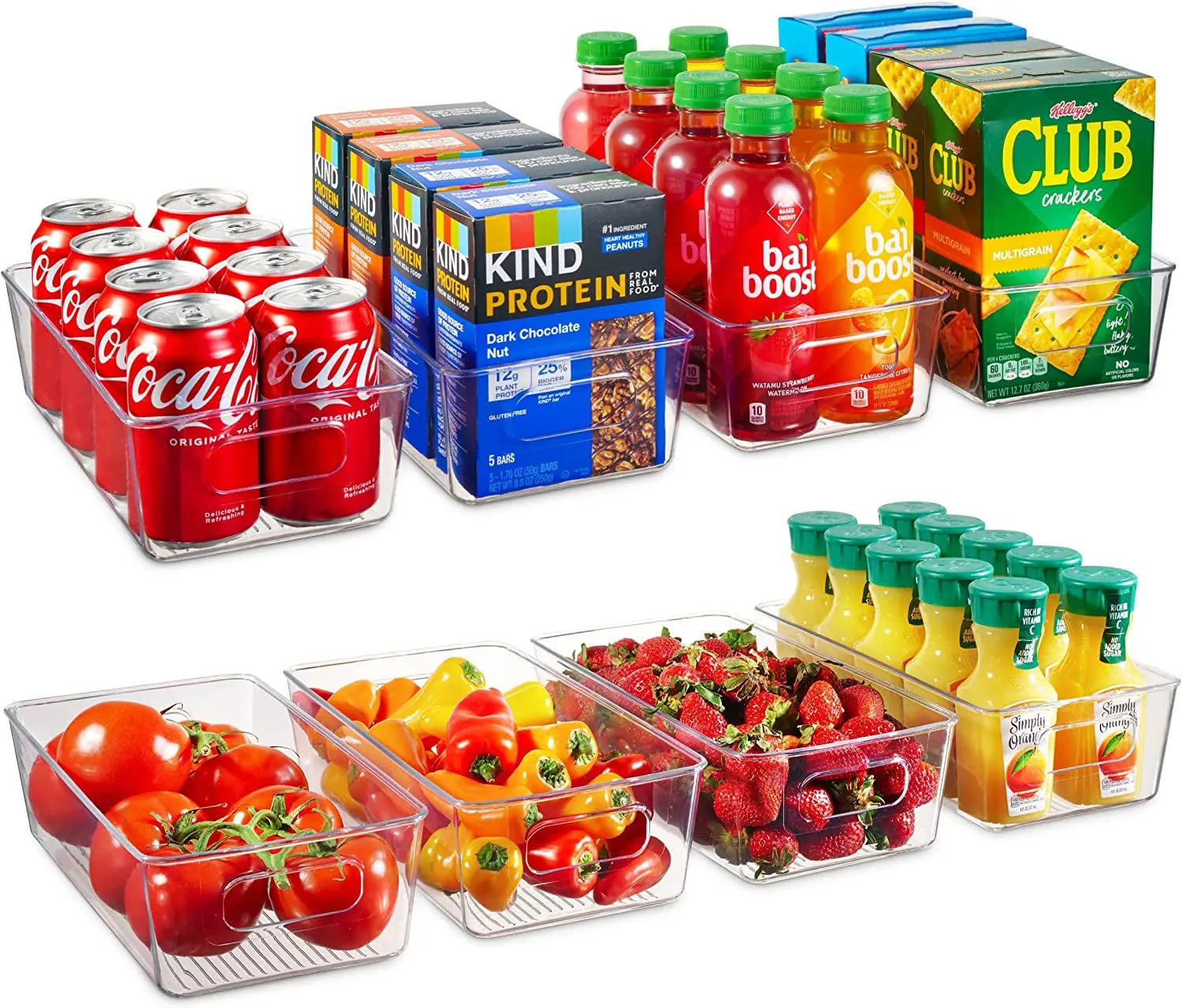
Two drawers solves it entirely. One for producers, one for the sensitive group. If you only have one crisper, divide it with bins instead — a set of clear fridge organiser bins at 25 × 15 × 7.6 cm each subdivides a drawer and keeps the groups apart while staying visible.
You can use ethylene deliberately. An avocado in a paper bag with a banana ripens noticeably faster. That is the same mechanism working for you rather than against you.
Rule 2: Know What Cold Damages
Refrigeration is not universally good for produce. Several common items are actively worse for it.
| Keep OUT of the fridge | Why |
|---|---|
| Potatoes | Cold converts starch to sugar, changing flavour and browning |
| Onions | Fridge humidity makes them soften and sprout |
| Garlic | Cold and damp cause sprouting and mould |
| Bananas | Cold blackens the skin and halts ripening |
| Whole tomatoes | Loses flavour compounds, turns texture mealy |
| Unripe stone fruit and avocados | Cold stops ripening permanently |
| Basil | Blackens below about 10°C |
Once cut, most of these change category. A cut tomato or a halved avocado belongs in the fridge. The rule applies to whole, uncut produce.
Store potatoes and onions apart from each other. Both keep well in a cool, dark, ventilated spot — but onions release moisture and gas that makes potatoes sprout sooner. Separate containers, both out of the light.
Rule 3: Manage Moisture
Wash when you use it, not when you store it. Water left on produce is the single biggest accelerator of rot. This is the rule people break most often, usually with the best intentions after a shopping trip.
If greens are already damp, give the water somewhere to go. A paper towel in the container absorbs excess and can be swapped when it becomes wet.
Berries need drainage, not a sealed box. Sitting in their own moisture is exactly what turns strawberries to mush. A container set with a built-in colander insert lifts produce off the base so water drains away — the set runs extra-large down to small, with the small size suited to grapes, strawberries and cherries.
Elevated storage helps generally. A stackable fridge bin set with removable drain trays includes a large bin at 30 × 30 × 14.5 cm holding 9.8 L, with trays that keep produce clear of pooled water.
Produce-by-Produce Quick Reference
| Item | Where | Notes |
|---|---|---|
| Leafy greens | Fridge crisper | Dry, with paper towel; away from ethylene |
| Carrots | Fridge crisper | Remove leafy tops, which draw moisture out |
| Broccoli, cauliflower | Fridge crisper | Ethylene-sensitive; keep from apples |
| Herbs (soft) | Fridge, stems in water | Basil is the exception — bench only |
| Mushrooms | Fridge, paper bag | Plastic traps moisture and turns them slimy |
| Berries | Fridge, ventilated or colander container | Do not wash until use |
| Apples | Fridge, separate | Strong ethylene producer |
| Citrus | Bench or fridge | Both work; fridge extends life |
| Bananas | Bench | Separate from other fruit |
| Tomatoes | Bench | Fridge only once cut |
| Avocados | Bench until ripe, then fridge | Cold halts ripening |
| Potatoes | Cool dark pantry | Never with onions |
| Onions, garlic | Cool dark ventilated | Never with potatoes |
Get the Fridge Itself Right First
None of this works if the appliance is wrong.
Run the fridge at or below 5°C. Australia's food safety danger zone is 5°C to 60°C, so a fridge sitting at 8°C is inside the range where bacteria multiply fastest — even though it feels cold.
Do not overfill it. Cold air must circulate, and a fridge packed wall to wall develops warm pockets. Keep the rear vent clear.
Use the crisper drawers as intended. They are humidity-controlled, which is exactly what most produce wants, and they are the zone people most often misuse as general overflow.
Our full guide on how to organise a fridge covers the temperature zones and which shelf each food belongs on, including why raw meat belongs on the bottom shelf.
What to Store in the Pantry Instead
Moving the bench-and-pantry group out of the fridge frees real space. They still need the right conditions: cool, dark, dry and ventilated, not sealed in plastic.
Our guide on how to organise a pantry covers zoning, and small kitchen storage ideas covers finding ventilated space in a kitchen that does not have much of it.
The Habit That Saves the Most Food
Keep an "eat me first" bin at the front of the fridge. Anything approaching its use-by goes in it. This one habit removes most household food waste, because the actual cause of waste is not poor storage — it is produce becoming invisible behind other produce.
Do a two-minute pass before each shop. Pull anything near its date forward, wipe any spills, check the vent is clear.
Ready to Reset Your Produce Storage?
Start with the ethylene split, because it is free and it is the highest-impact change. Then move the bench group out of the fridge, which frees space. Then add drainage for anything that sits in its own moisture. Browse the kitchen storage collection for the bins and ventilated containers that make it hold.
Frequently asked questions
Which fruits should not be stored in the fridge?
Bananas, whole tomatoes, unripe stone fruit and unripe avocados should stay on the bench. Cold blackens banana skins, halts ripening in stone fruit and avocados, and costs tomatoes both flavour and texture. Once cut, tomatoes and avocados do belong in the fridge.
What fruit and vegetables should not be stored together?
Keep ethylene-producing fruit — apples, bananas, avocados, tomatoes, stone fruit, pears, melons — away from ethylene-sensitive vegetables such as leafy greens, broccoli, cucumbers, carrots and herbs. The gas released by the first group makes the second group deteriorate noticeably faster.
Should you wash fruit and vegetables before storing them?
No. Wash produce immediately before you use it. Residual moisture left on produce accelerates rot and is one of the main reasons greens and berries fail early. If produce is already damp, add a paper towel to the container to absorb the excess.
Can you store potatoes and onions together?
No. Onions release moisture and gases that cause potatoes to sprout sooner, so storing them together shortens the life of both. Keep each in a separate container in a cool, dark, ventilated spot out of the fridge.
What temperature should a fridge be for storing produce?
At or below 5°C. Australia's food safety danger zone runs from 5°C to 60°C, so anything warmer sits in the range where bacteria multiply fastest. Check with a thermometer on a middle shelf overnight rather than relying on the dial.
How do you keep berries from going mouldy?
Do not wash them until use, and store them somewhere that drains rather than in a sealed box where they sit in their own moisture. A ventilated container or one with a colander insert keeps the fruit clear of pooled water, which is what causes the mush.