
Cart
0
Quick answer: Work in one fixed order — declutter, then deep clean top-down, then swap winter bedding and clothing into storage, then deal with the moisture winter left behind. Doing it in any other order means repeating work.
TL;DR: Australian spring starts on 1 September, and an indoor reset is really four jobs, not one. Declutter first, because cleaning around things you are about to remove wastes the effort. Clean top-down, because gravity decides the order. Do the seasonal changeover next — winter doonas, blankets and heavy clothing into storage, lighter layers out — and store them clean and completely dry, since anything stored damp comes out smelling of the cupboard. Finally deal with moisture: after months of closed windows and possibly indoor laundry drying, wardrobes and cupboards on external walls are where winter damp actually shows up. The whole thing is a weekend if you sequence it properly and a fortnight of annoyance if you don't.
Key facts
- Australian spring begins on 1 September.
- Store seasonal textiles only when completely dry; anything stored damp develops odour and mildew.
- Aim to hold indoor humidity between 40% and 60%.
- Clean top-down so debris falls onto surfaces you have not yet done.
- Wardrobes on external walls are the most common indoor damp spot after winter.
- Decluttering before cleaning removes the single largest source of duplicated effort.
Step 1: Declutter Before You Clean
Cleaning around clutter is wasted work. Every surface you wipe around an object you are about to remove is a surface you will wipe twice.
Work room by room, not category by category, for a seasonal reset. Category-based methods suit a once-in-a-decade overhaul; a spring reset is maintenance and room-by-room keeps it finishable.
Use the two-winter test. If it has not been used across two winters, it is not seasonal storage — it is stored indecision.
Give the outgoing pile a deadline. A bag by the door with no destination becomes furniture. Book the charity drop-off or the council pickup on the same day you fill it.
Our guides on wardrobe organisation and how to organise a small entryway cover the two rooms that accumulate the most over winter.
Step 2: Clean Top-Down
Gravity sets the order, and ignoring it is the second-biggest source of repeated work.
Ceiling fans and light fittings first. A winter's dust sits on top of fan blades, and running a fan before cleaning it redistributes that across the whole room. Reverse the fan direction back to summer mode while you are up there — our guide on how to choose a ceiling fan covers which way it should run in each season.
Then walls, skirtings and window frames.
Then windows and glass. Winter leaves a film on the inside of glass, mostly from heating and condensation. An all-purpose squeegee with a flexible blade clears it without streaking, and works on shower screens and tiled surfaces too.
Then soft furnishings. Curtains, rugs, cushion covers.
Floors last. Always.
Step 3: The Seasonal Changeover
This is the part that is genuinely seasonal rather than just cleaning.
Wash everything before it goes into storage, and dry it completely. This is the rule people break, and it is why stored bedding smells wrong when it comes back out. Body oils left in fabric oxidise over months and set as yellow marks that later washing will not fully lift.
Swap the doona weight. Heavy winter doonas go away; lighter fill comes out. Our guide on choosing a doona warmth rating covers the ratings to look for in each direction.
Switch to breathable bedding for the warmer months. This is the natural point to move to cooling sheets — and the natural point to check your bed size if you are buying, since our Australian bed sizes chart covers the fitted-sheet depth issue that catches people out.
Wash the pillows themselves, not just the cases. Spring is a sensible fixed point for one of the two-to-four annual washes. Our guide on how often to wash your sheets covers the full frequency table.
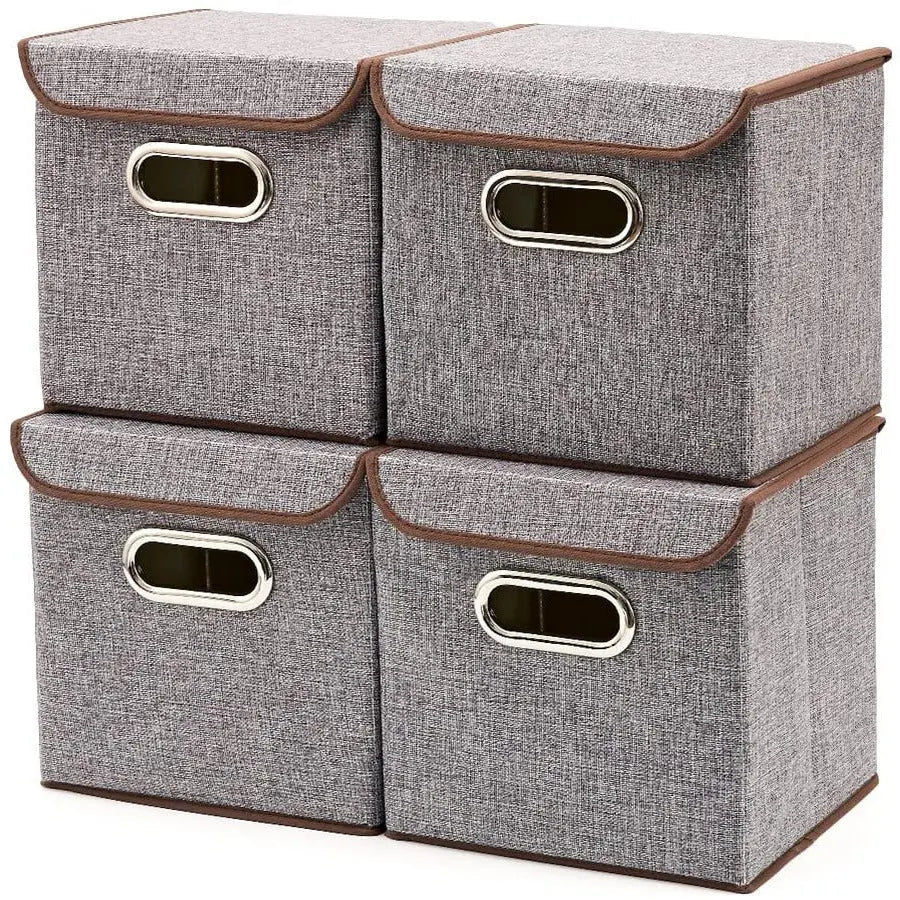
Store in containers that breathe and stack. A set of four foldable fabric storage bins at 25 × 25 × 25 cm each suits shelving and folds flat when the season turns again. Avoid sealing textiles in airtight plastic for months — trapped moisture has nowhere to go.
Label by contents, not by season. "Winter" means nothing in eight months. "Queen doona + two wool blankets" means something.
Step 4: Deal With the Moisture Winter Left
After months of closed windows, and often indoor laundry drying, moisture has accumulated in the places you cannot see.
Check wardrobes and cupboards on external walls first. This is where winter damp shows up — a still, cold, unventilated pocket against the coldest surface in the room.
Pull furniture off external walls and leave a gap of 5 cm to 10 cm so air can move behind it.
Use absorbers in enclosed spaces, ventilation everywhere else. A fragrance-free moisture absorber refill works well in a wardrobe, linen cupboard or unheated spare room, where the volume of air is small and unventilated. It will not keep pace with a whole house — that is what open windows are for.
Aim for 40% to 60% relative humidity. Sustained readings above 60% make mould on cold surfaces much more likely.
Cross-ventilate properly now the weather allows it. Two windows on opposite sides for ten minutes exchanges the air in a room almost completely. Our full guide on stopping condensation and damp covers the mechanism.
Step 5: Reset the Light
Take the winter layers off the windows. Heavy curtains that earned their place in July block light you now want.
Clean the light fittings and consider the globes. After a winter of dim, warm light, a kitchen or laundry often wants something brighter and cooler. Our guide on how many lumens you need per room gives the calculation, and warm white versus cool white covers which colour temperature suits each room.
The Order, in One Place
| Order | Job | Why it goes here |
|---|---|---|
| 1 | Declutter | Cleaning around clutter is repeated work |
| 2 | Clean top-down | Gravity — debris falls downward |
| 3 | Seasonal changeover | Needs clean, dry textiles from step 2 |
| 4 | Moisture | Easiest once cupboards are empty and accessible |
| 5 | Light | Finishing step, best judged in a clean room |
Don't Forget Outside
Once the indoors is done, the outdoor space is the other half of the changeover — and it needs a longer lead time, because cleaning needs dry days and solar lighting needs several charge cycles. Our guide on getting your outdoor area ready for spring covers that side with a four-week timeline.
Ready to Start?
Do it in order. Declutter, clean top-down, change over the textiles clean and dry, then deal with the damp winter left in the cupboards. Browse the full Pattan Australia range for the storage and moisture control that makes the changeover hold.
Frequently asked questions
When should you do spring cleaning in Australia?
Late winter, through August, so the house is reset before spring begins on 1 September. Starting in August also means you can ventilate properly on mild days and get textiles fully dry outdoors before they go into storage.
In what order should you spring clean?
Declutter first, then clean top-down from ceiling fans and light fittings through walls, windows and soft furnishings to floors last, then do the seasonal changeover, then address moisture, then light. Cleaning before decluttering, or working bottom-up, both create repeated work.
How should you store winter bedding over summer?
Wash everything and make sure it is completely dry first, since anything stored damp develops odour and mildew. Use breathable containers rather than sealed airtight plastic for long storage, and label by contents rather than by season so you can find things in eight months.
Why do wardrobes smell musty after winter?
They are usually a still, unventilated pocket of air against a cold external wall, which is where moisture condenses over a closed-up winter. Pull furniture 5 cm to 10 cm off external walls, ventilate the room, and use a moisture absorber inside the enclosed space itself.
What humidity should you keep inside an Australian home?
Between 40% and 60% relative humidity. Below that the air feels dry and static increases; sustained readings above 60% make condensation and mould growth on cold surfaces considerably more likely. An inexpensive hygrometer tells you which way to correct.
Should you wash clothes before storing them for the season?
Yes, always. Body oils and perspiration left in fabric oxidise over months of storage and set as yellow marks that later washing often will not fully remove. Store only once items are completely dry.