Cart
0
Quick answer: Buy for the parts of cooking they do not enjoy — storage, prep and cleanup — rather than the cooking itself, because a keen cook already owns the tools they actually cook with and has strong opinions about them.
TL;DR: The mistake with cooking gifts is buying the glamorous item. Someone who genuinely cooks already owns a knife they like, a pan they trust and a set of opinions about both, so a gifted version of any of those competes with something they chose deliberately. What they usually do not have is the unglamorous infrastructure around cooking: matched storage, a fridge that is organised rather than archaeological, and containers that keep produce alive for a week. Buy the friction, not the fun part. And if you do want to buy something they use directly, buy a consumable or something highly specific rather than a general-purpose duplicate.
Key facts
- Keen cooks already own the tools they cook with and have chosen them deliberately.
- The reliable gaps are storage, prep and cleanup, not cookware.
- Consumables are the safest "used directly" gift, because they cannot duplicate an opinion.
- Gadgets built for a single narrow task are the most commonly abandoned kitchen gift.
- Anything given for a kitchen should be dishwasher-safe or obviously easy to hand wash.
The Principle: Buy the Friction
Ask what part of cooking they complain about. It is almost never the cooking.
It is finding things. A deep pantry where the back row is unknown territory. A fridge where the herbs die behind the leftovers.
It is prep and cleanup. The parts that bracket the enjoyable bit.
It is produce dying early. The bag of greens bought with intent that turned to liquid on day four.
Every one of those is a gift category, and none of them competes with a tool they already chose.
Gifts by the Gap They Fill
The fridge gap
Fridge organisation is the classic "would never buy it, uses it daily" gift.
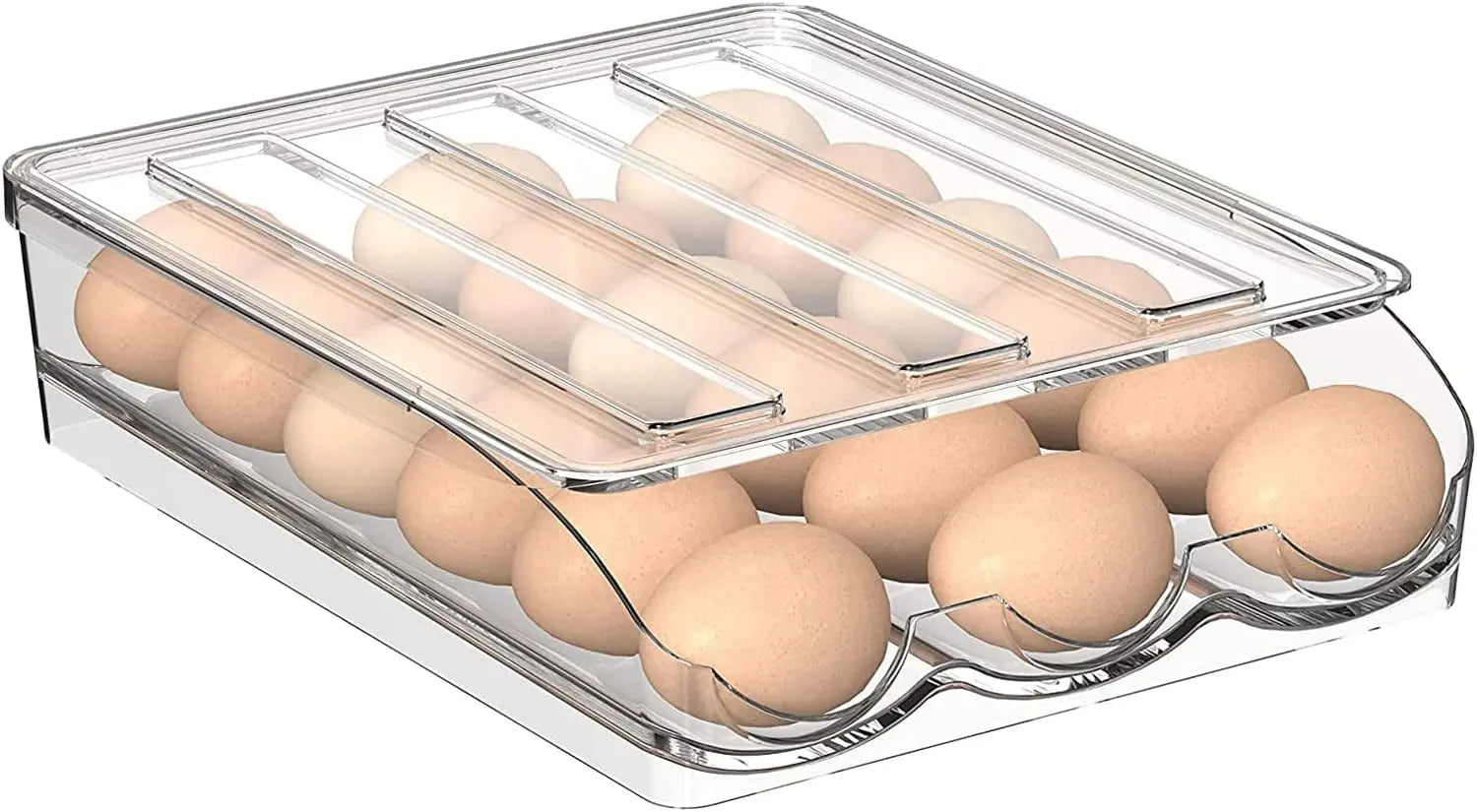
An auto-rolling egg holder uses a 7-degree slope so the next egg rolls forward as you take one, holds 18, 36 or 54 depending on configuration, and is transparent so the count is visible without opening anything.
A set of clear stackable fridge bins with lids includes a large bin at 30 × 30 × 14.5 cm holding 9.8 L with removable drain trays, which is the detail that matters for produce.
A 9-piece set in three widths is built around shelf depth — all nine are 33 cm long, with three wide at 23 cm, three medium at 15 cm and three narrow at 7 cm, so a shelf can be tiled edge to edge rather than left with dead space at the back.
The produce gap
Keen cooks buy more fresh produce than most people, so they lose more of it.
A container set with a built-in colander insert lifts produce clear of pooled water, which is what actually turns berries and greens. The set runs extra-large down to small.
Our guide on how to store fruit and vegetables explains the ethylene rule, which is worth reading before buying — it also makes a genuinely useful thing to mention in the card.
The pantry gap
A large stackable kitchen container at 27.5 × 18.5 × 9.5 cm is BPA-free and works in cupboard, fridge or on the bench. Our how to organise a pantry guide covers zoning if you want to give a set with a plan attached.
The drinks gap
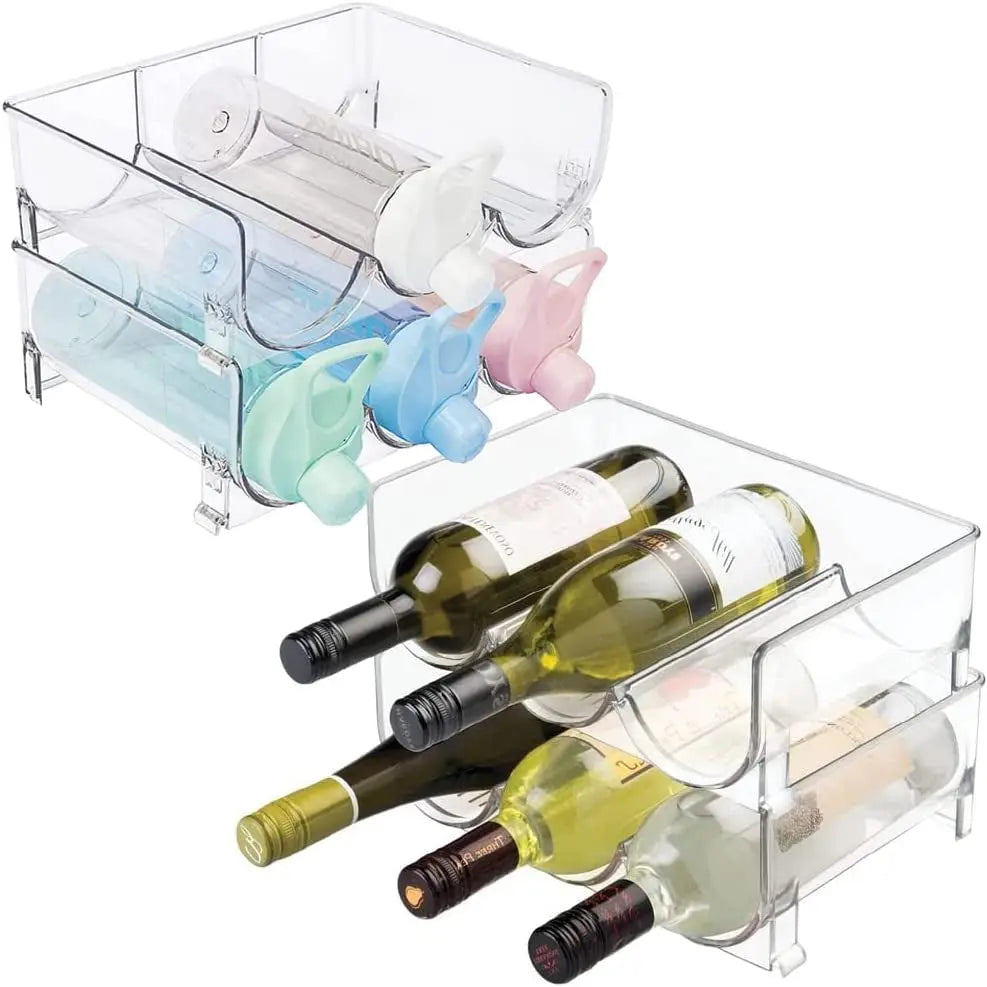
A stackable water bottle and wine organiser holds six bottles across two stacked racks. Unglamorous, used constantly, never bought voluntarily.
The table gap
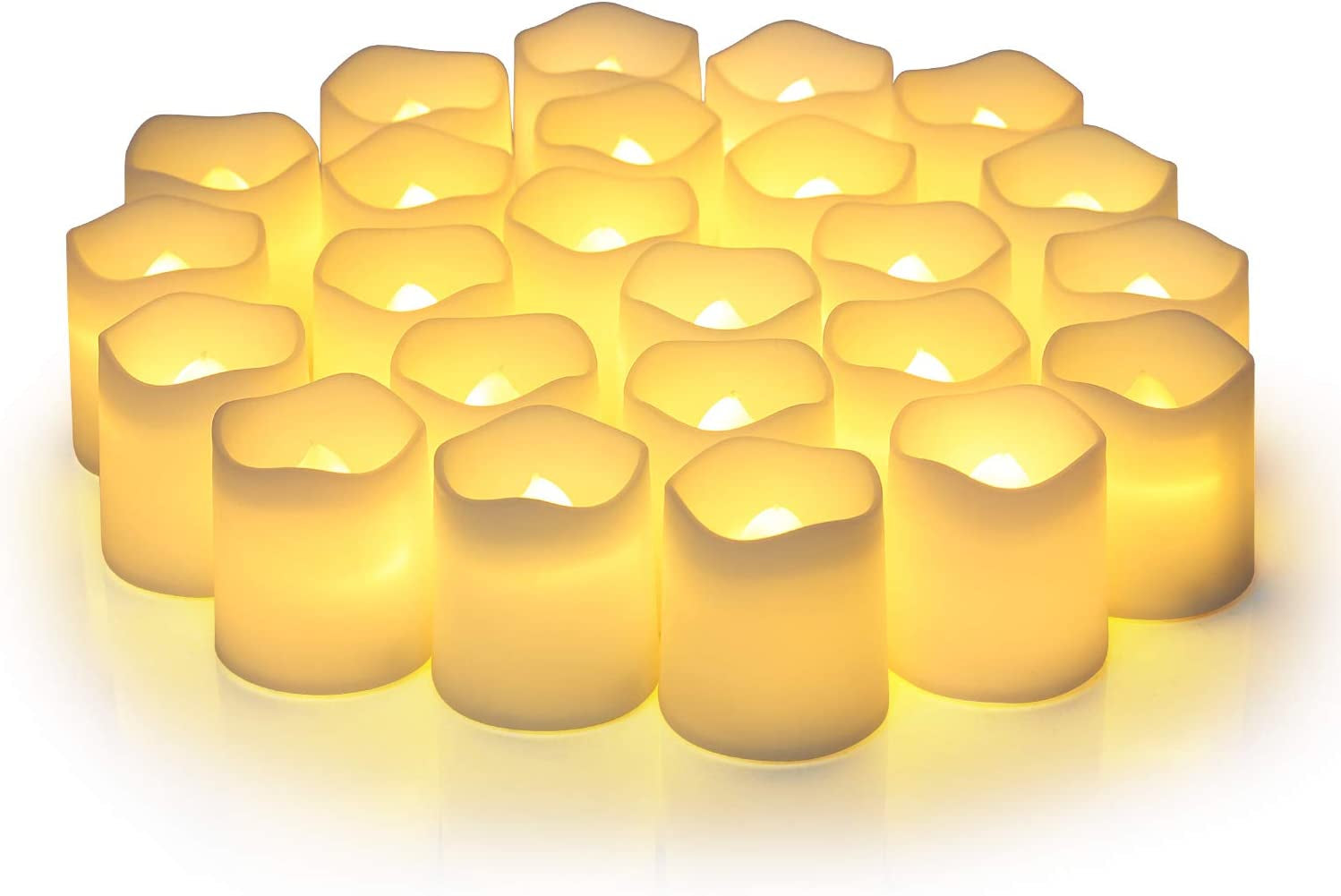
Someone who cooks usually also feeds people, and the table is where the effort becomes visible. Our guide on how to set a dining table covers everyday versus guests. Flameless LED tea lights suit a table with children or pets around it, and run over 100 hours per battery.
What Experienced Cooks Quietly Never Use
- Single-task gadgets. The avocado tool, the strawberry huller, the egg separator. A keen cook already does these things with a knife, faster.
- A knife. They have chosen theirs. Knife preference is personal to the point of being tactile.
- A cookbook you have not read. Fine if you know their actual cooking; a guess otherwise.
- Novelty aprons. Almost universally unused.
- Anything hand-wash-only and fiddly. It will be used twice.
- A duplicate of something they own a better version of. The most common failure mode.
If You Want to Buy Something They Use Directly
Buy a consumable. Good salt, a spice they would not buy at that price, oil. Consumables cannot duplicate an existing opinion and they get used up, which is the point.
Or buy hyper-specific rather than general. A dedicated tool for something they demonstrably do often beats a general-purpose item they may already own.
Or buy the thing they own a worn-out version of. If you have seen their chopping board, you know. Our guide on how to choose a chopping board covers materials and sizes, and how to store kitchen knives safely covers the storage side, which is a safer gift than the knives themselves.
Matching the Gift to the Cook
| If they… | Buy them… | Avoid |
|---|---|---|
| Cook daily on a schedule | Fridge and produce storage | Novelty anything |
| Batch cook and meal prep | Matched stackable containers | Single-task gadgets |
| Host and entertain | Table and drinks storage | Another serving platter |
| Have a small kitchen | Vertical and stackable storage | Bulky appliances |
| Just moved in | Pantry and fridge organisation sets | Duplicates of basics |
For a first home, our housewarming gift ideas guide overlaps usefully, and for couples, wedding gift ideas covers the same principle applied more broadly.
Ready to Choose?
Pick the friction, not the fun part. Fridge and produce storage is the highest-hit-rate category because it is used daily, never bought voluntarily, and cannot duplicate a tool they already chose. Browse the kitchen storage collection or the full Pattan Australia range.
Frequently asked questions
What do you buy someone who loves cooking?
Buy for the parts of cooking they do not enjoy — storage, prep and cleanup — rather than cookware. A keen cook has already chosen their knives, pans and boards deliberately, so a gifted version competes with a considered decision. Fridge and pantry organisation is the highest-hit-rate category.
What should you not buy a keen cook?
Avoid single-task gadgets, knives, novelty aprons, cookbooks you have not read yourself, and anything fiddly that is hand-wash only. All of them either duplicate something they own a better version of, or go unused after the first attempt.
Are kitchen gadgets good gifts?
Narrow single-purpose gadgets are among the most commonly abandoned kitchen gifts, because an experienced cook does the same job faster with a knife. If you want to give a tool, choose something highly specific to a task they demonstrably do often, and make sure it is dishwasher safe.
What is a good gift for someone with a small kitchen?
Vertical and stackable storage, since floor and bench space is the binding constraint rather than equipment. Look for containers that stack when in use and collapse or nest when not, and check stated dimensions against standard Australian shelf depths of roughly 30 cm to 35 cm.
Is food a good gift for a cook?
Yes. Consumables are the safest gift you can give someone with strong equipment preferences, because they cannot duplicate an existing item or compete with a considered choice. Good salt, an unusual spice, or an oil they would not buy at that price all work.
What kitchen gift works for someone who has just moved in?
Fridge and pantry organisation sets, because a new kitchen has no established systems yet and this is exactly the moment those decisions get made. Sizing matters more than quantity — match bins to the shelf depth rather than buying the largest set.