Cart
0
Quick answer: Measure the usable floor area first, leave a 60 cm walkway, choose furniture that folds or stacks, and use solar or battery lighting so nothing needs wiring — which also keeps the whole setup renter-safe.
TL;DR: Small balconies fail for predictable reasons: furniture chosen by look rather than footprint, lighting that needs a power point that is not there, and no plan for wind. Start with the measurement, because a balcony 1.5 m deep cannot take a standard outdoor setting no matter how good it looks. Then work vertically — railing, walls and the ceiling above give you storage, lighting and greenery without spending floor area. Choose solar or battery lighting, which needs no electrician, leaves no holes and comes with you when you move. And check two things most people never check: what your building's by-laws permit on the balcony, and how much weight the slab is rated for once you start adding planters full of wet soil.
Key facts
- Leave at least 60 cm of clear walkway on a balcony; below that it stops functioning as a path.
- Bistro-style folding furniture typically needs about 1.2 m × 1.2 m to be usable for two.
- Solar lights need 4 to 6 hours of direct sun to charge, giving 6 to 10 hours of light.
- IP65 is the practical minimum weather rating for anything left outdoors permanently.
- Wet potting mix is far heavier than dry; a large planter is a meaningful point load on a slab.
- Most strata by-laws restrict fixing anything to the building fabric, railings included.
Step 1: Measure Before You Choose Anything
Measure the usable floor, not the balcony. Subtract the door swing, any air-conditioning unit, and the space taken by the drying rack if it lives out there.
Depth is the number that decides everything. A balcony under about 1.5 m deep will not take a table with chairs pulled out on both sides. It will take a bench or bar-height setup against the railing.
Leave 60 cm of walkway. Below that a gap stops reading as a path and the space feels blocked regardless of how little furniture is in it.
Check the door swing. An outward-opening door can remove a surprising amount of the usable area, and it is the constraint people discover after buying furniture.
Step 2: Choose Furniture by Footprint
Folding and stacking beats fixed, because a small balcony is often two spaces: a place to sit, and a place to dry washing or store something temporarily.
| Balcony depth | Realistic setup |
|---|---|
| Under 1.2 m | Rail-mounted folding shelf, one stool |
| 1.2 m to 1.5 m | Bench or two folding chairs, narrow side table |
| 1.5 m to 2 m | Bistro set, roughly 1.2 m × 1.2 m for two |
| Over 2 m | Small table with four chairs becomes possible |
Look for pieces that fold flat and store vertically. Anything that has to be carried inside to be stored will end up permanently outside, weathering.
Check the material against your exposure. Coastal balconies are hard on powder-coated steel — once the coating chips, it rusts, and rust stains the concrete. Aluminium and good-grade stainless steel survive salt air far better.
Step 3: Light It Without an Electrician
This is where small balconies are usually won or lost, because most have no outdoor power point.
Solar and battery lighting solves it completely. No wiring, no holes, no landlord conversation, and it moves with you.
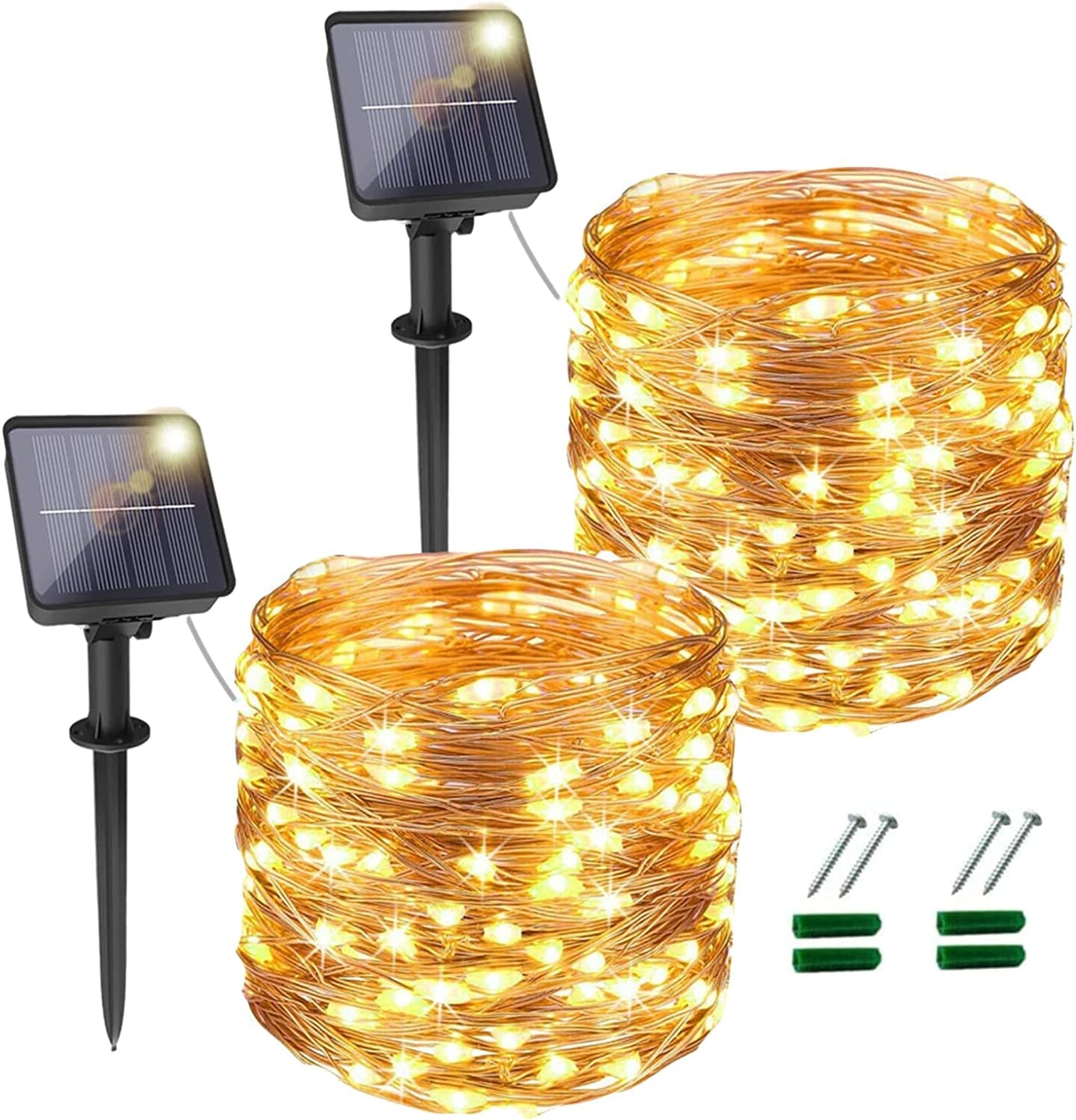
A set of solar fairy string lights covers 20 m with 200 LEDs, is IP65 rated, and states about 6 hours of sun for 6 to 7 hours of light from an 800 mAh battery, with 8 modes. On a balcony, 20 m is usually more than enough to run the railing and back.
A simpler 20 m solar fairy light with 8 modes does the same job along a single run.
A solar motion sensor wall light with a 120-degree sensor angle and 8 to 10 m range is useful by the door, and its dim-until-triggered mode suits a seating area better than full brightness.
Two things to check on any solar unit. The panel needs direct sun, which is often not where you want the light — units with a separate panel give far more freedom on a shaded balcony. And on many string lights the lights are weatherproof while the battery box is not, so site that box under cover.
Position the panel before you commit. A south-facing balcony in Australia gets substantially less direct sun than a north-facing one, and that decides whether solar is viable at all. If it is not, battery-powered flameless LED tea lights give a flicker effect with over 100 hours per battery and no charging requirement at all.
Our guide on choosing outdoor string lights goes deeper on run lengths and mounting.
Anything hardwired is a different conversation. Installing an outdoor power point or a fixed light fitting is electrical work and in Australia must be done by a licensed electrician — and on a strata property, usually with written approval first.
Step 4: Go Vertical
Floor space is the scarce resource. Everything that can live on a wall or railing should.
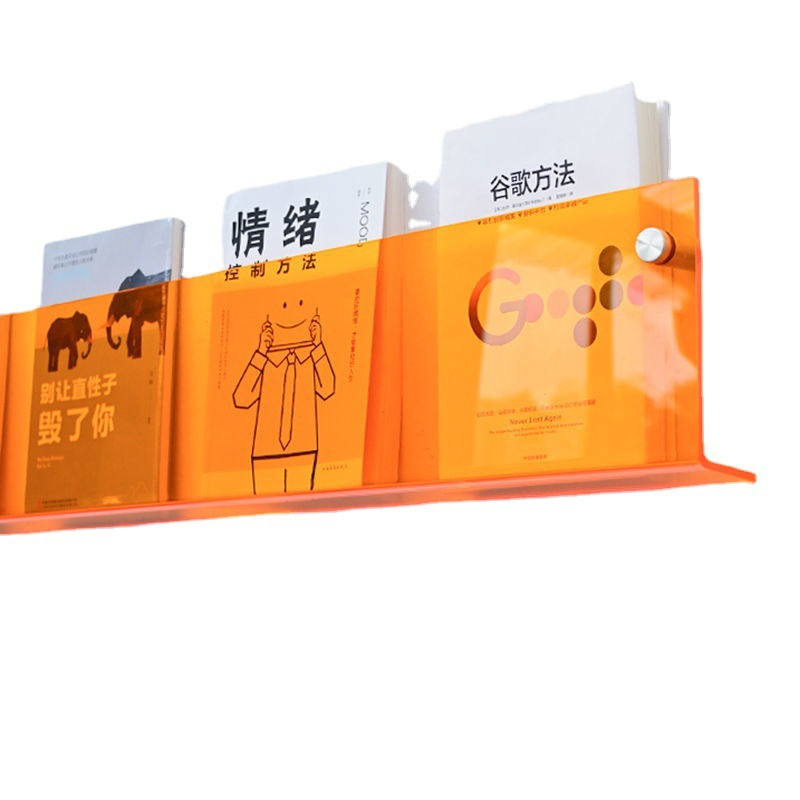
Railing-mounted folding shelves give you a surface for drinks that disappears when not needed.
Wall-mounted planters and hanging pots keep greenery out of the walking space.
A vertical drying solution matters more on a balcony than anywhere else, because the alternative is a floor rack occupying the entire space. Our guide on choosing a clothes drying rack covers wall-mounted retractable options, which fold flat and take no floor area between loads — and notes that aluminium is the right material near the coast.
Step 5: Handle Wind, Privacy and Weight
Wind is the constraint people underestimate, especially above about the fourth floor. Anything light will move. Weighted bases, clip-on fixings for string lights, and heavier planters all help.
Privacy screening changes wind behaviour. A solid screen catches wind like a sail and increases load on the railing; a permeable screen filters it. On an exposed balcony, permeable is the safer choice.
Check the weight. Wet potting mix is dramatically heavier than dry, and several large planters concentrated in one corner is a real point load. If you are planning substantial planting, check what the slab is rated for.
Read the by-laws before you fix anything. Most Australian strata schemes restrict attaching anything to the building fabric, including railings, and many have rules about what is visible from outside. Clip-on and freestanding solutions sidestep the entire issue.
Step 6: Set It Up for the Hours You Will Use It
Sit out there at 4pm before committing to a layout. In Australia the useful hours are governed by where the afternoon sun lands, not by the view.
A west-facing balcony needs shade before it needs anything else. It will be unusable in summer afternoons otherwise.
Keep one clear surface. Even on the smallest balcony, somewhere to put a drink down is the difference between a space people use and a space people look at.
For the seasonal reset side, our guide on getting your outdoor area ready for spring covers the cleaning and lighting restart with a four-week timeline.
Ready to Plan Yours?
Measure the usable depth first — it decides the furniture, and the furniture decides everything else. Then light it with solar or battery so nothing needs wiring or approval. Then go vertical for everything that does not have to sit on the floor. Browse the full Pattan Australia range for the lighting and storage that suits a small outdoor space.
Frequently asked questions
How much space do you need for a balcony table and chairs?
A bistro-style set for two needs roughly 1.2 m × 1.2 m to be usable once chairs are pulled out. Below about 1.5 m of balcony depth, a bench or a rail-mounted folding shelf works better than a table, since you also need to keep about 60 cm of clear walkway.
How do you light a balcony without power?
Use solar or battery lighting. Solar string lights typically need 4 to 6 hours of direct sun for 6 to 10 hours of light, and battery flameless candles need no charging at all. Both avoid wiring, leave no holes, and move with you — which matters in a rental.
Can renters put string lights on a balcony?
Usually yes, provided nothing is screwed or drilled into the building fabric. Clip-on, hook-over and freestanding options avoid that entirely. Check your lease and the strata by-laws first, since many Australian schemes restrict attaching anything to railings or walls.
What IP rating do balcony lights need?
IP65 is the practical minimum for anything left outdoors permanently, meaning dust-tight and protected against water jets. Note that on many solar string lights the lights themselves are weatherproof while the battery box is not, so position that box under cover.
How do you stop things blowing off a balcony?
Use weighted bases, clip-on fixings for lights, and heavier planters, and avoid lightweight decorative items altogether above about the fourth floor. Choose permeable privacy screening rather than solid, since a solid screen catches wind like a sail and increases the load on the railing.
Can you put heavy planters on an apartment balcony?
With care. Wet potting mix is far heavier than dry, and several large planters concentrated in one corner creates a genuine point load on the slab. Spread the weight, keep heavy items near structural edges rather than mid-span, and check your building's rating before any substantial planting.