Cart
0
TL;DR: Light colour is measured in Kelvin (K): the lower the number, the warmer (more yellow) the light; the higher the number, the cooler (more blue-white) it is. As a rule for Australian homes, use warm white (about 2700-3000K) in living rooms, bedrooms and dining areas where you relax, and a cooler, brighter white (about 3500-4500K) in kitchens, bathrooms, laundries and home offices where you need to see clearly. Reserve very cool "daylight" (5000K and up) for garages, workshops and detailed task work. Where you want flexibility, choose a fixture with selectable colour temperature.
Two rooms lit to the same brightness can feel completely different depending on the colour of the light. Warm light makes a lounge feel cosy and a bedroom restful; cool light makes a kitchen bench feel crisp and a bathroom mirror honest. This guide explains colour temperature in plain numbers and walks through the right choice room by room, so your whole home feels considered rather than mismatched.
What does colour temperature actually mean?
Colour temperature describes how warm or cool a light source looks, measured in Kelvin.
- Warm white (about 2700-3000K): a soft, yellow-toned glow, like a traditional incandescent globe. Relaxing and flattering.
- Neutral or natural white (about 3500-4100K): a balanced, clean white. Good all-rounder for task areas.
- Cool white / daylight (about 5000-6500K): a crisp, slightly blue white. Bright and clinical, best for detailed work.
A second number worth knowing is the Colour Rendering Index (CRI), from 0 to 100, which measures how true colours look under the light. Aim for CRI 80 or above for living spaces, and 90 or above where colour accuracy matters, such as a bathroom vanity or a wardrobe.
The quick room-by-room rule
| Room | Suggested colour temperature | Why |
|---|---|---|
| Living room | 2700-3000K (warm white) | Cosy, relaxing, flattering for evenings |
| Bedroom | 2700-3000K (warm white) | Restful; helps wind down before sleep |
| Dining room | 2700-3000K (warm white) | Warm and inviting over the table |
| Kitchen | 3500-4500K (neutral/cool) | Clear light for prep and safe cutting |
| Bathroom | 3000-4000K (warm-neutral) | Comfortable, with accurate light at the mirror |
| Home office / study | 4000-4500K (neutral/cool) | Alert, focused, reduces eye strain |
| Laundry / garage | 4500-6000K (cool/daylight) | Bright, functional task light |
Use this as a starting point, then adjust to taste. If you like a cosier kitchen, sit at the lower end; if you read a lot in bed, a lamp with a brighter setting on demand helps.
Living room and bedroom: warm white to relax
The rooms where you unwind suit warm white, around 2700-3000K. This is the closest to the familiar glow of an old incandescent globe, and it flatters skin tones, timber and soft furnishings. In the bedroom especially, warmer light in the evening feels calmer and helps signal that the day is winding down.
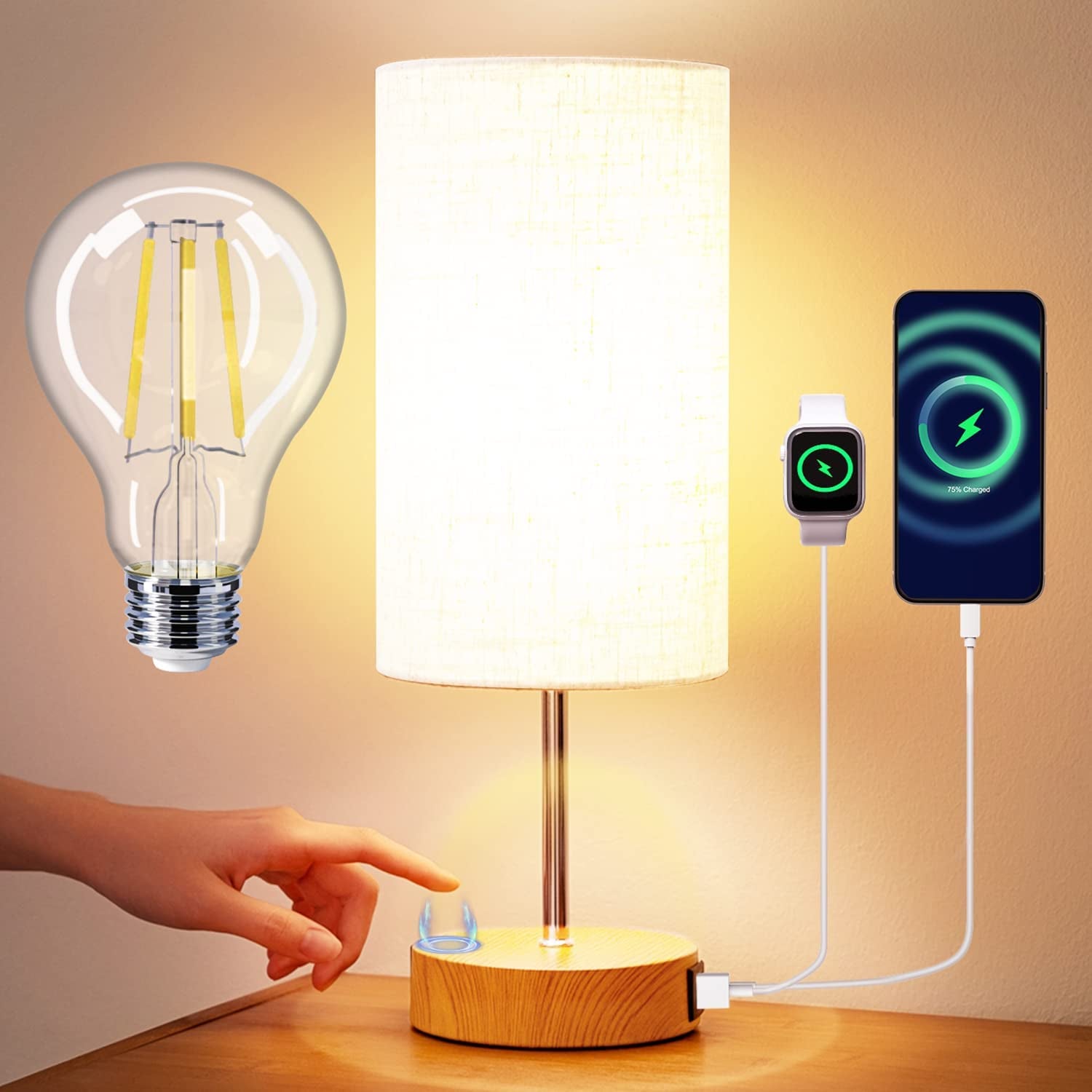
The nuance is that a bedroom also needs a brighter, functional setting for reading or getting dressed. The neat solution is a lamp with adjustable colour temperature and dimming: warm and low for winding down, brighter (and slightly cooler) for reading. A bedside lamp with three light colours and multiple brightness levels covers both moods from one fixture. For more on choosing one, see our guide to choosing a bedside table lamp.
Kitchen: a cooler, brighter white
The kitchen is a workspace, and warm light can make a benchtop feel dim and food look muddy. Step up to neutral or cool white, around 3500-4500K, for clear, honest light where you prep, chop and cook. Brighter, cooler light also makes a bench feel cleaner and helps you see what you are doing safely.
Layer it: a cooler general light over the room, plus focused light over the bench or island. If your island lighting is on show, our guide to kitchen island pendant light size covers getting the fixture proportions right.
Bathroom: warm-neutral, with honest mirror light
Bathrooms sit in the middle. A general light around 3000-4000K keeps the room comfortable rather than clinical, while still feeling clean. The one place to prioritise accuracy is the mirror: light around 4000K with a high CRI (90 or above) shows skin tones truthfully, which matters for shaving, skincare and makeup. Avoid very warm light at the vanity, as it can make colours hard to judge.
Home office: neutral to cool for focus
For a desk or study, neutral to cool white, around 4000-4500K, keeps you alert and reduces the eye strain that comes from working under dim, warm light. A dedicated task lamp with a cool "daylight" mode is ideal for detailed work or reading, while a warmer setting suits the rest of the evening. A cordless or touch-control desk lamp that switches between warm, cool and daylight modes gives you both in one.
When to choose selectable colour temperature
If a room does more than one job, a fixture with switchable colour temperature saves you from compromising. Bedrooms (relax and read), open-plan kitchen-living zones (cook and unwind) and studies (focus and relax) all benefit from being able to shift the light through the day. Many modern lamps and chandeliers offer two or three colour settings plus dimming, controlled by touch or remote.
Getting the light right in your home
A few Pattan Australia fixtures that make colour temperature easy to control:
- The Bedside Touch-Control Table Lamp (3-way dimmable) shifts between brightness levels for winding down or reading, with a soft linen shade that diffuses the light.
- The Cordless Touch Desk Lamp with 3 Light Modes switches between warm, cool and daylight white, which suits a home office or study nook.
- The LED Modern 3-Ring Chandelier offers three selectable light colours, so a dining or living space can go bright for gatherings and warm for evenings.
If any fixture is hardwired rather than plug-in, remember that in Australia the connection to your home's wiring must be carried out by a licensed electrician.
Frequently asked questions
Is warm white or cool white better for a living room?
Warm white, around 2700-3000K, is better for a living room. It creates a cosy, relaxing atmosphere and flatters skin tones and timber. Save cooler white for task areas like the kitchen and study.
What colour temperature is best for a kitchen?
A neutral to cool white, around 3500-4500K, suits a kitchen. It gives clear, honest light for prep and cooking, makes the bench feel clean, and helps you see clearly and safely while cutting.
What is the difference between warm white and cool white?
Warm white (about 2700-3000K) is a soft, yellow-toned glow that feels cosy and relaxing. Cool white (about 5000-6500K) is a crisp, slightly blue white that feels bright and clinical, better suited to task areas and detailed work.
What light colour should I use in a bathroom?
Use around 3000-4000K for general bathroom light so it feels comfortable rather than clinical. At the mirror, choose around 4000K with a high CRI (90 or above) so skin tones and colours look accurate for shaving, skincare and makeup.
What does Kelvin mean in lighting?
Kelvin (K) is the unit for a light's colour temperature. Lower numbers are warmer and more yellow; higher numbers are cooler and more blue-white. Around 2700-3000K is warm white, and 5000K and above is cool "daylight" white.