Cart
0
Quick answer: Work backwards from sunset — set up lighting first, then seating and flow, then drinks somewhere self-serve — because the single most common failure is a gathering that dies when it gets dark.
TL;DR: Outdoor gatherings fail in predictable ways, and almost none of them are about food. They fail because it got dark and nobody could see, because everyone bottlenecked in one spot, or because the host spent the whole evening fetching drinks instead of hosting. Fix those three and the rest is straightforward. Lighting deserves the most preparation because it needs the most lead time — solar needs charging days ahead, not hours. Seating should be arranged in clusters rather than one big circle, since conversation happens in groups of three or four. And drinks belong somewhere guests serve themselves, away from where food is prepared. Make the wet-weather decision before the day, not on it.
Key facts
- Solar lights need 4 to 6 hours of direct sun to charge, delivering 6 to 10 hours of light.
- Charge solar lighting several days ahead, not the morning of the event.
- Conversation naturally forms in groups of three or four, so cluster seating rather than making one large circle.
- Put drinks away from the food preparation area to prevent a single bottleneck.
- IP65 is the practical minimum weather rating for anything left outdoors.
- Decide the wet-weather plan before the day, since deciding on the day is when gatherings get cancelled.
Start With Sunset, Not With Food
Look up what time it actually gets dark, then plan backwards. In an Australian winter that can be well before dinner; in summer it is late enough that the light sneaks up on people.
Lighting is the difference between a gathering that continues and one that quietly ends. People leave when they cannot see each other.
It also needs the most lead time, which is why it goes first in the plan rather than last.
Lighting: Layer It, and Start Early
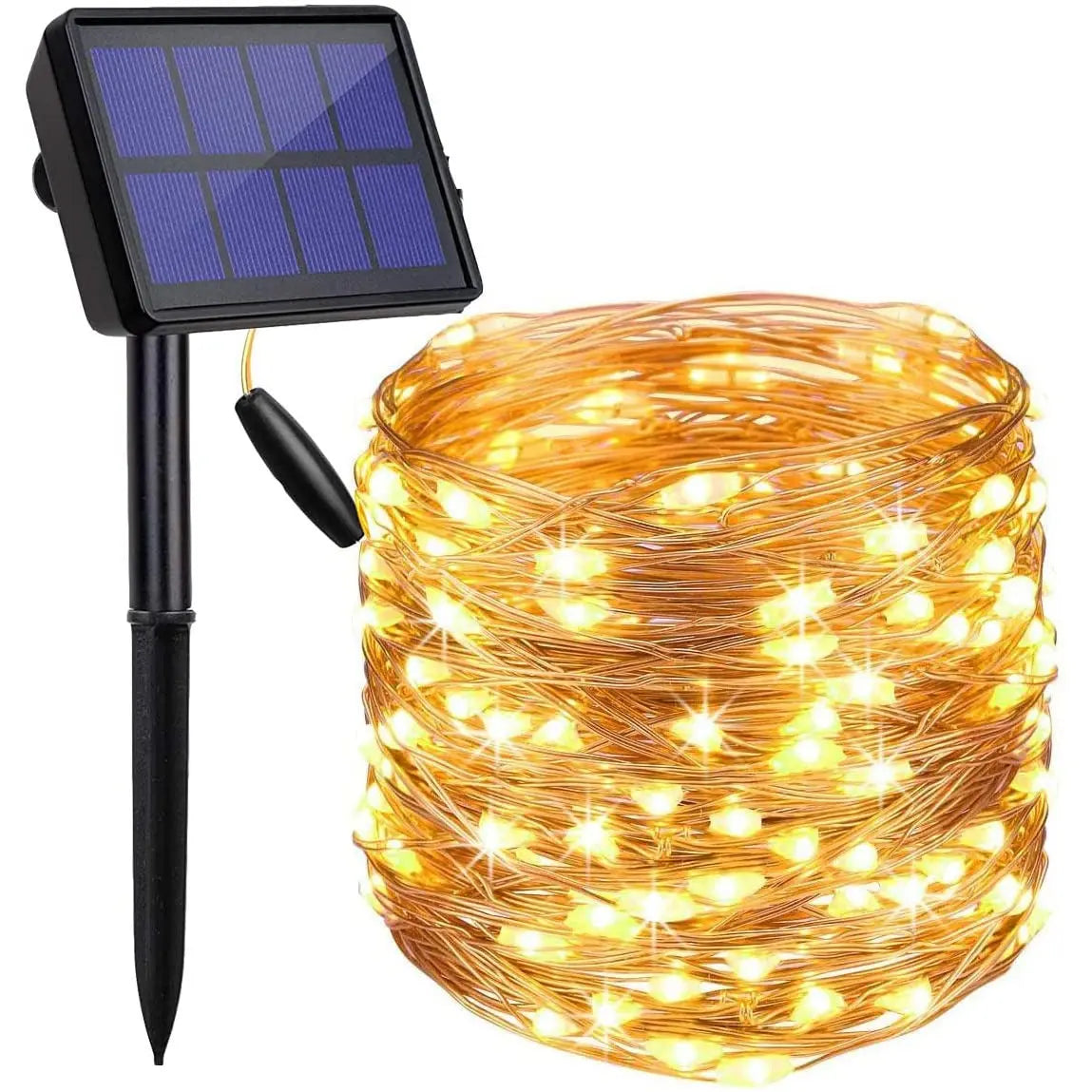
Solar needs days, not hours. A unit that has been stored needs several full charge cycles before it holds a whole evening. A set of solar fairy string lights states roughly 6 hours of sun for 6 to 7 hours of light from an 800 mAh battery, is IP65 rated, and covers 20 m with 200 LEDs across 8 modes. Put them out early in the week, not on the day.
A single long run does a lot of work. A 20 m solar fairy light with 8 modes along a fence line or pergola gives the ambient layer without any wiring.
Light the paths, not just the party. Steps, level changes and the route to the toilet are where people actually hurt themselves. A solar motion sensor wall light with a 120-degree sensor and 8 to 10 m range covers a doorway or path, and its dim-until-triggered mode avoids blasting the seating area.
Table lighting sets the tone at eye level. Flameless LED tea lights run over 100 hours per battery and remove the flame risk entirely — which matters outdoors, where a breeze and a real candle near a tablecloth is a genuine hazard, and around children or pets.
Keep a bright utility light aside for cleanup. A rechargeable 30 W, 1,500 lm work light with high, low and strobe modes and IP65 rating is what you want at the end of the night, not during it.
Anything mains-powered outdoors is electrical work. Installing an outdoor power point or fixed lighting must be done by a licensed electrician in Australia. Solar and battery avoid the question entirely.
Our guide on choosing outdoor string lights covers run lengths and mounting in detail.
Seating and Flow
Cluster seating rather than forming one large circle. Conversation happens in groups of three or four. A single large ring produces one conversation that most people cannot hear.
Two or three separate zones works better than one big area, even in a small yard — a seated group, a standing area near the drinks, and somewhere slightly apart.
Leave clear walking routes. People need to get to drinks, food and the toilet without threading between chairs.
Check where the wind comes from and site the seating accordingly. Wind ruins an evening faster than temperature does.
Have more seating than you think, but keep it light. Folding chairs that stack afterwards beat carrying heavy furniture out and back.
Our guide on setting up a small balcony covers the same principles where space is genuinely tight.
Drinks: Get Them Away From You
Put drinks somewhere guests serve themselves, and deliberately away from where food is prepared. This single decision frees the host more than anything else.
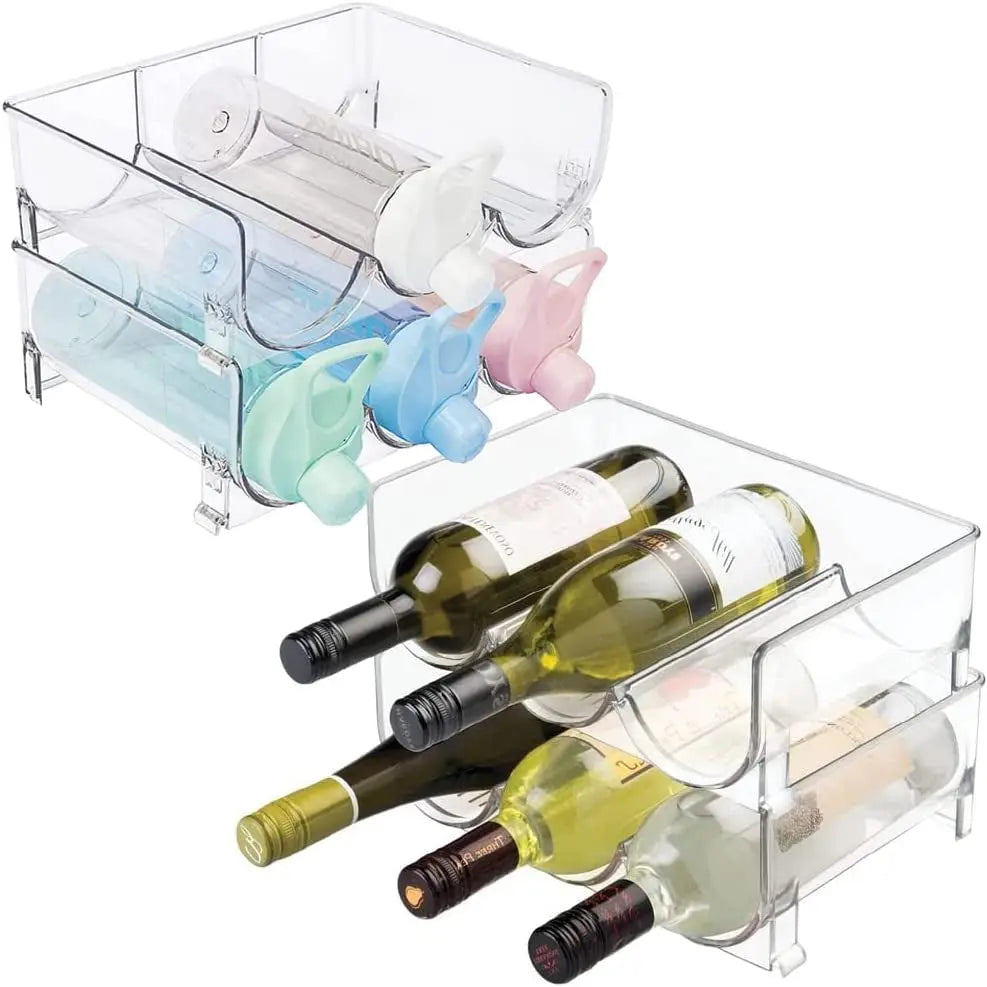
Keep bottles contained. A stackable water bottle and wine organiser holds six bottles across two stacked racks and stops them rolling around a fridge or an esky lid.
Chill in bulk beforehand, not as you go. Fridge space is the constraint on the day.
Always have a substantial non-alcoholic option that is not just tap water, and put it in the same place so nobody has to ask.
Water where people can reach it, especially in warm weather.
Weather: Decide Before the Day
Make the wet-weather call in advance. Gatherings get cancelled because nobody decided what "if it rains" means until it was raining.
Know what you would do: move under cover, move inside, or postpone. Tell people the plan when you invite them.
Have a warmth plan for after sunset. Australian evenings drop faster than the afternoon suggests, especially outside summer. Our guide on keeping an outdoor area warm covers the options, and throws or blankets to hand cost nothing.
Check the forecast for wind, not just rain. Wind decides whether table lighting, napkins and anything lightweight stay where you put them.
The Timeline
| When | Do this |
|---|---|
| A week out | Put solar lighting out to charge; confirm the wet-weather plan |
| Two days out | Clean the space; check seating and count chairs |
| Day before | Chill drinks in bulk; set up drinks station; test all lighting |
| Morning of | Set up seating clusters; clear walking routes |
| An hour before | Switch on lighting so it is already working at dusk |
| End of night | Bring cushions and soft furnishings in, dry |
Bring soft furnishings in that night. Cushions left out overnight absorb dew and, if put away damp, develop mould. Our guide on storing and caring for outdoor furniture covers why that is the single most common way cushions are ruined.
Ready to Plan Yours?
Set the lighting up days ahead so it is charged and tested, cluster the seating instead of ringing it, and put drinks somewhere guests reach themselves. Then decide the wet-weather plan before the day rather than on it. Browse the full Pattan Australia range for outdoor lighting and drinks storage.
Frequently asked questions
How do you light a backyard for a party?
Layer it: ambient string lighting over the seating area, path lighting for steps and routes, and table-level light for atmosphere. Set solar lighting out several days ahead, since it needs 4 to 6 hours of direct sun for a full charge and a stored unit needs multiple cycles before it holds a whole evening.
How much seating do you need for an outdoor gathering?
More than you expect, arranged in clusters of three or four rather than one large circle, since that is how conversation naturally forms. Favour folding or stacking chairs that store easily, and keep clear walking routes to drinks, food and the toilet.
Where should you put drinks at a party?
Somewhere guests serve themselves, deliberately away from where food is being prepared. Splitting those two areas prevents a single bottleneck and frees the host from fetching. Chill in bulk the day before, since fridge space is the real constraint.
What is the best lighting for an outdoor table?
Flameless LED candles at table level, since a real flame outdoors near a breeze and a tablecloth is a genuine hazard, and battery units run over 100 hours. Keep any bright utility lighting aside for cleaning up afterwards rather than using it during the evening.
How do you plan for bad weather at an outdoor event?
Decide before the day what "if it rains" means — move under cover, move inside, or postpone — and tell guests the plan when you invite them. Check the forecast for wind as well as rain, since wind determines whether lightweight items stay where you put them.
When should you set up solar lights for an event?
At least several days beforehand. Solar units typically need 4 to 6 hours of direct sunlight for a full charge, and anything that has been stored needs multiple charge cycles before it reliably lasts a whole evening. Setting them out on the day is the most common reason they fail.