Cart
0
TL;DR: The most effective way to keep your house warm in winter in Australia is to stop the warmth you already have from escaping — before you touch the thermostat. Seal the draughts under doors and around windows, close curtains at dusk, put rugs on cold hard floors, and heat one lived-in room well rather than the whole house. Many Australian homes are poorly insulated and lose heat fast, so plugging leaks does more for comfort than turning a heater up. Below is a room-by-room, draught-by-draught plan you can start today.
Australian winters get less credit than they deserve. Because so many homes here were built for summer — high ceilings, big glass, minimal wall insulation — a July evening indoors can feel colder than the temperature outside would suggest. The good news is that most of that discomfort comes from heat escaping and cold air sneaking in, and both are cheap and quick to fix. Here is how to do it methodically.
Where does heat actually escape in a typical Australian home?
Before you spend a cent, it helps to know where the warmth is going. In a standard Australian house, heat leaks through a predictable set of weak points:
- Gaps under and around doors — especially external doors and the door to an unheated hallway or laundry.
- Windows — single-glazed glass radiates heat outward, and old frames leak air around the edges.
- The ceiling and roof cavity — heat rises, so an under-insulated ceiling is a major loss point.
- Floorboards — homes on stumps or piers have cold air moving underneath, pulling warmth down through the boards.
- Chimneys, vents and exhaust fans — open flues and unsealed vents act like a straw sucking warm air out.
You do not need to fix all of these at once. Start with the draughts you can feel with the back of your hand, because they give the fastest comfort return for the least effort.
How do I stop draughts under my doors?
Under-door gaps are the single easiest win in the house. On a cold night, cold air pours in along the floor through the gap beneath an external door or the door to an unheated room, and warm air escapes above it. Sealing that gap holds noticeably more warmth in the room.
A door draught blocker (also called a draught stopper or door snake) sits across the base of the door and closes the gap. A twin-sided version seals from both sides of the door at once, which works well on doors that get used often because it stays in place as the door swings. Measure your door width and the size of the floor gap first, then fit a blocker that trims to size — most need no tools.
The same principle applies to internal doors. If you are only heating the living room, shutting its door and blocking the base keeps that warmth where you and your family actually are, instead of leaking down the hallway to bedrooms nobody is using yet.
What about draughts around windows?
Windows lose heat two ways: air leaks through gaps around the frame, and heat radiates straight out through single-glazed glass. Tackle both.
For the gaps, run your hand around the frame on a windy evening — you will feel the cold jets. Self-adhesive foam or rubber weather seal, pressed along the frame where the sash meets it, closes those leaks for very little cost. For the glass itself, the biggest lever you already own is your curtains.
Do curtains really help keep a room warm?
Yes — heavy, floor-length curtains are one of the most effective and underrated warmth tools in an Australian home. A thick curtain traps a layer of still air against the glass, slowing the heat loss dramatically. A few rules make them work harder:
- Close them at dusk, before the room cools. Open them again on sunny mornings to let free winter sun warm the room.
- Longer is better. Curtains that reach the floor (or pool slightly) stop the cold-air waterfall that shorter curtains let spill onto the floor.
- Cover the whole window. A pelmet or curtains mounted above and wide of the frame stop warm air sliding down behind the fabric.
If you only have thin blinds, layering a curtain over the top makes a real difference on the coldest nights.
Why do rugs make a room feel warmer?
Bare timber, tile and concrete floors feel cold underfoot and pull warmth out of a room, especially in homes raised off the ground. A rug adds a layer of insulation between you and the cold slab or subfloor, and it makes the room feel warmer the moment you step on it — which matters, because perceived warmth is what actually makes a room comfortable.
Lay rugs where you sit and walk most: beside the bed so your feet land on something soft, in front of the sofa, and along cold hallways. A dense, plush pile traps more air and insulates better than a thin flatweave. This is a genuinely cheap way to keep a room warm without touching your energy use at all.
Common draught sources and simple fixes
Here is a quick reference you can work through room by room. Fix the ones you can feel first.
| Draught source | Why it loses heat | Simple fix |
|---|---|---|
| Gap under external or hallway door | Cold air pours in along the floor | Fit a twin-sided door draught blocker |
| Gaps around window frames | Air leaks where the sash meets the frame | Press on self-adhesive foam or rubber seal |
| Single-glazed window glass | Heat radiates straight out through glass | Close heavy, floor-length curtains at dusk |
| Cold hard floors | Bare boards and tiles feel cold and pull warmth down | Lay dense, plush rugs where you sit and walk |
| Unused fireplace / open flue | Warm air escapes up the chimney | Use a removable chimney balloon or flue block |
| Wall vents and exhaust fans | Constant slow air exchange | Cover unused vents; use bathroom fans only as needed |
| Doors to unheated rooms | Heat spreads into rooms you are not using | Close the door and block the base |
How do I heat just one room efficiently?
Trying to warm the whole house at once is where energy bills spiral. The smarter approach in most Australian homes is zoning — heating only the room you are actually living in and sealing it off from the rest.
The steps are simple: pick the room where the household spends the evening, close its door, block the under-door gap, and draw the curtains. Now you have a small, sealed space that a modest heater can bring up to a comfortable temperature quickly and hold there — instead of pouring energy into cold hallways and empty bedrooms.
Getting the most from a radiant or strip heater
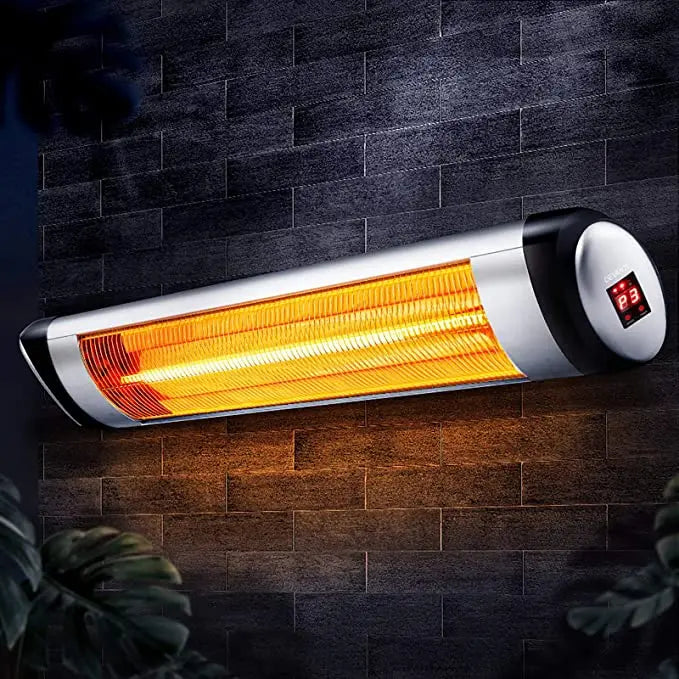
Radiant heaters — including slim infrared strip and panel heaters — work differently from fan or column heaters. Instead of warming the air (which then drifts away and leaks out), radiant infrared warms the people and objects directly in front of it, the way the sun warms your skin. That makes them well suited to a zoned room where you want to feel warm quickly while sitting on the sofa or at a desk.
To use one well:
- Point it at the space you occupy — the couch, the desk, the reading chair — not at an empty corner.
- Pair it with your sealing work. A radiant heater in a draught-proofed, curtained room feels far warmer than the same heater in a leaky one.
- Do not leave it running in an empty room. Radiant heat stops the moment you leave its line of sight, so switch it off when you go.
Electrical safety comes first. With any electric heater, always follow the manufacturer's instructions for installation and safe use. Never leave a heater running unattended, keep it well clear of curtains, bedding, furniture and anything else flammable, don't drape clothing over it to dry, and give it clearance on all sides. These are basic safety practices, not optional extras.
Do the low- and no-cost habits that add up
Alongside the physical fixes, a few winter habits keep more warmth in your home for free:
- Let the winter sun in. Open north-facing curtains on clear mornings and close them before dusk to bank the heat.
- Dress the bed and yourself for the season. A warmer doona, an extra throw and warm layers mean you can keep the heater lower.
- Close doors behind you to keep heated air in the zone you are using.
- Seal the obvious leaks first — the ones you can feel — rather than chasing perfection everywhere.
Stack these habits on top of sealed doors, closed curtains and rugs on cold floors, and most Australian homes feel dramatically warmer without the heater working any harder.
Ready to draught-proof your home this winter?
If you want to start with the fixes that make the biggest difference fastest, these are the Pattan Australia products that do the heavy lifting:
- Twin Door Draft Blocker Guard (96cm) — seals the gap on both sides of a door up to 96cm wide, trims to size and fits in minutes to stop that cold under-door draught.
- Devanti Infrared Strip Heater — a slim radiant panel that warms the people and objects in front of it directly, ideal for heating one zoned room. Always follow the included instructions for safe use.
- Soft Fluffy Faux Sheepskin Rug — a plush layer for cold floors beside the bed or in front of the sofa, adding insulation and warmth underfoot.
Frequently asked questions
How can I keep my house warm in winter in Australia cheaply?
Start with the free and low-cost fixes: seal draughts under doors, close heavy curtains at dusk, open them to sunny mornings, put rugs on cold floors, and heat only the room you are using. These hold warmth in so any heater works less, which is where the real savings come from.
What is a low-cost way to keep a single room warm?
Zoning. Close the room's door, block the under-door gap, draw the curtains, and use a radiant heater aimed at where you sit. A small sealed space heats quickly and holds warmth, instead of losing energy to hallways and empty rooms.
Do door draught stoppers actually work?
Yes. The gap under a door lets cold air pour in along the floor while warm air escapes above it. Fitting a draught blocker closes that gap, so a room noticeably holds more of its warmth. A twin-sided blocker seals from both sides of the door at once.
Are radiant heaters better than fan heaters for warming a room?
They serve different purposes. Radiant infrared heaters warm the people and objects in front of them directly, so you feel warm quickly in a zoned space. Whichever heater you use, follow the manufacturer's instructions, keep it clear of flammable items, and never leave it unattended.
Why does my Australian house feel so cold in winter?
Many Australian homes were built with summer in mind — big windows, high ceilings and limited insulation — so they lose heat quickly. The cold you feel is usually escaping warmth and incoming draughts, both of which you can fix by sealing gaps, covering glass and insulating cold floors.