
Cart
0
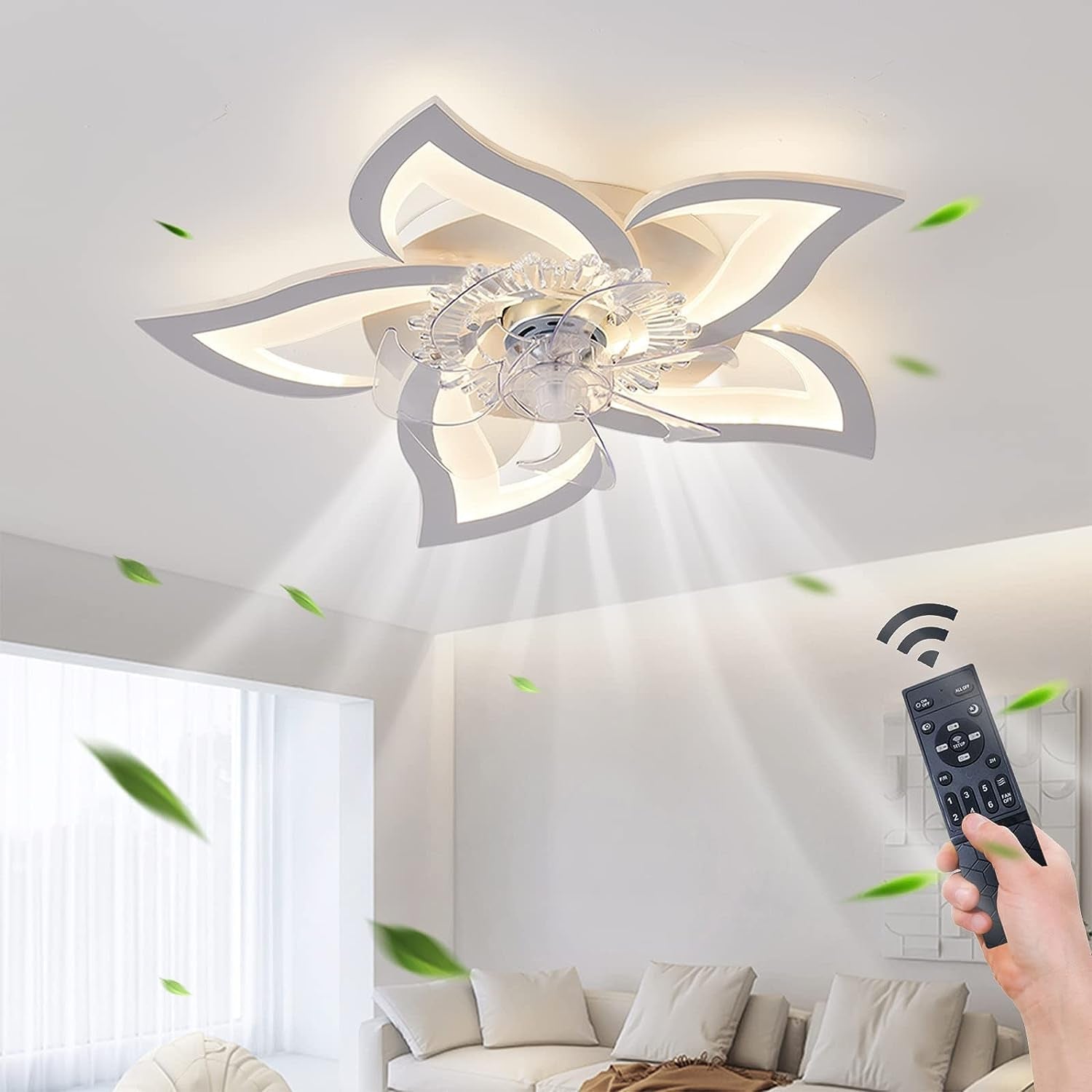
Quick answer: Switch it off at the wall, slide an old pillowcase over each blade, then pull it back slowly — the case traps the dust instead of releasing it into the room.
TL;DR: Ceiling fans collect dust on the upper face of the blades where nobody looks, and the standard approach of wiping with a cloth flicks most of it into the air and onto everything below. The pillowcase method solves that completely and takes about five minutes. Do it before each change of season, since that is also when you should be flipping the direction switch — counterclockwise in summer to push air down, clockwise in winter to circulate warm air without a draught. While you are up there, check for wobble, because a wobbling fan is almost always loose blade screws rather than anything serious, and it is far easier to fix early. Anything beyond cleaning and tightening — wiring, the motor, the mount — is a licensed electrician's job.
Key facts
- Dust collects on the upper face of the blades, which is invisible from below.
- Switch off at the wall switch before cleaning, not just the pull cord or remote.
- Clean before each change of season, and more often in coastal or dusty areas.
- Summer direction is counterclockwise viewed from below; winter is clockwise.
- Wobble is usually loose blade screws or unbalanced blades, not a motor fault.
- A dusty blade is also an unbalanced blade, so cleaning often reduces wobble.
Safety First
Switch off at the wall switch. Not the pull cord, not the remote — the wall. A remote-controlled fan can be started accidentally by anyone in the house.
Let it stop completely. Blades coast for a surprisingly long time.
Use a stable platform. A proper step ladder on level ground, not a dining chair. Most ceiling fan injuries are falls, not electrical.
Do not put weight on the blades. They are not structural, and pushing down on one can bend it or loosen the mount.
Stop and call a licensed electrician if you see scorching around the housing, damaged or brittle wiring, a fitting loose from the ceiling, or if the fan hums without turning. In Australia, any work on the wiring, motor or mounting is electrical work and must be done by a licensed electrician. Cleaning and tightening blade screws are ordinary household jobs.
The Pillowcase Method
This is the whole technique, and it is genuinely better than any tool sold for the purpose.
- Take an old pillowcase. Standard size, roughly 48 × 74 cm, fits most blades.
- Slide it over one blade completely, so the blade sits inside the case.
- Press gently through the fabric from above and below.
- Pull the case back slowly toward you, keeping it closed around the blade.
- The dust stays inside the case rather than falling into the room.
- Repeat for each blade, then shake the case out outside — never over an indoor bin.
Why it works: you are wiping and containing in one motion. A cloth wipes but releases, which is why the standard method leaves a film over the whole room.
For a greasy film — common in kitchens, where cooking aerosolises oil that binds dust — dampen the inside of the pillowcase slightly with warm soapy water. Do not soak it, and keep moisture away from the motor housing.
The Rest of the Fan
The motor housing takes a dry cloth or a very lightly damp one. Keep water away from any vents.
The light fitting, if it has one, follows the same rules as any other fitting — dust dry first, then wet-clean only what the material allows. Our guide on cleaning light fittings safely covers glass diffusers, fabric shades and globes, and the reason to dust before introducing moisture.
Globes matter more than people think. A dusty globe emits noticeably less light, and on a fan-light combination it is easy to blame the fitting when it just needs cleaning. Our guide on how many lumens you need per room covers output if the room genuinely needs more.
Flip the Direction Switch While You Are Up There
Almost every modern ceiling fan has a reverse switch, and most people never touch it.
- Summer: counterclockwise viewed from below. Blades push air straight down, creating the draught you feel on skin.
- Winter: clockwise. Air is drawn upward and warm air circulates down the walls without a direct draught.
Fans cool people, not rooms. A fan does not change air temperature — it moves air across skin, which accelerates evaporation. That is why you switch fans off when leaving a room, and why one running in an empty room is doing nothing but adding a little motor heat.
Both of the low-profile fans in our range run reversible motors — the 65 cm model suits rooms of 8 to 20 m² at only 15 cm tall, which matters in a low room, and the 69 cm model covers the same room range with a 10 W fan motor. Our guide on how to choose a ceiling fan covers sizing to room area.
Fixing a Wobble
A wobbling fan is almost never a motor fault.
Check the blade screws first. Loose screws where each blade meets the motor are the most common cause, and tightening them fixes most wobbles.
Check the mounting bracket screws at the ceiling.
Check the blades are all sitting at the same angle. A bent blade unbalances the whole fan. Sight along them from below.
Dust itself unbalances a fan. Uneven buildup adds uneven weight, which is another reason cleaning often reduces wobble on its own.
If it still wobbles after all that, a balancing kit addresses it — and if it wobbles badly or the fan hums, stop using it and call an electrician.
How Often
| Situation | Frequency |
|---|---|
| Standard household | Before each season change, about 4 times a year |
| Kitchen fan | Every 2 to 3 months, since cooking grease binds dust |
| Coastal or dusty area | Every 2 months |
| Allergies in the household | Monthly |
| Fan used year-round | Every 2 months |
Season change is the natural trigger because you are already flipping the direction switch. Pairing the two means neither gets forgotten.
Our indoor spring reset checklist puts fans first in the room order, since cleaning them after the rest of the room means doing the room twice.
Ready to Clear the Blades?
Power off at the wall, use a pillowcase rather than a cloth, and flip the direction switch while you are up there. Then check the blade screws — a five-minute job that prevents the wobble people live with for years. Browse the full Pattan Australia range for fans and lighting.
Frequently asked questions
How do you clean a ceiling fan without dust going everywhere?
Slide an old pillowcase over each blade, press gently through the fabric from both sides, then pull it back slowly with the case still closed around the blade. The dust stays inside rather than falling into the room. Shake the case out outdoors afterwards.
How often should you clean a ceiling fan?
About four times a year for a standard household, ideally before each change of season since that is also when you flip the direction switch. Kitchen fans need cleaning every two to three months because cooking grease binds dust into a film, and coastal or dusty areas need it more often.
Which way should a ceiling fan turn in winter?
Clockwise when viewed from below. That draws air upward and circulates warm air down the walls without creating a direct draught. In summer it should run counterclockwise so it pushes air down and produces the cooling draught you feel on your skin.
Why is my ceiling fan wobbling?
Almost always loose blade screws where each blade meets the motor, or blades sitting at slightly different angles. Uneven dust buildup also unbalances a fan, so cleaning frequently reduces wobble. Check and tighten the blade and bracket screws before considering anything more involved.
Can you use water to clean ceiling fan blades?
Lightly, and only where there is a greasy film such as in a kitchen. Dampen the inside of the pillowcase with warm soapy water rather than soaking it, and keep all moisture away from the motor housing and vents. Dry dusting is sufficient in most rooms.
When do you need an electrician for a ceiling fan?
Whenever there is scorching around the housing, damaged or brittle wiring, a fitting loose from the ceiling, or a fan that hums without turning. In Australia any work on the wiring, motor or mounting must be carried out by a licensed electrician — cleaning and tightening blade screws are not.