Cart
0
Quick answer: Start with the lamp, because its height decides everything else — the shade base should sit roughly level with your shoulder when you are sitting up in bed — then add no more than three or four items in varying heights.
TL;DR: A bedside table is the one surface in the house that has to be beautiful and genuinely functional at the same time, which is why styling advice usually fails there. It has a real job: light you can reach without getting up, somewhere to put a glass of water, and a home for whatever you use at 11pm. Get the lamp right first, since its height is fixed by ergonomics rather than taste and it dominates the surface. Then apply the same rule that works on any surface — group in odd numbers at varying heights, leave a third of the space empty, and be honest that a bedside table with no clear space is storage rather than styling. If everything does not fit, the answer is a table with a drawer, not better arrangement.
Key facts
- The lamp shade base should sit roughly level with your shoulder when sitting up in bed.
- Bedside table height should be within about 5 cm of the mattress top.
- Leave roughly one third of the surface clear, or it reads as storage rather than styling.
- Group items in odd numbers, usually three, at varying heights.
- Anything used daily but not nightly belongs in a drawer, not on the surface.
Get the Table Height Right First
The table top should sit within about 5 cm of the top of the mattress. Too low and you reach down awkwardly for a glass; too high and it looms over the bed.
This is why mattress depth matters. A thick pillow-top mattress raises the sleeping surface considerably, and a table chosen for the old bed can end up well below it. Our guides on how to choose a bedside table and the Australian bed sizes chart cover the measurements, including why mattress depth catches people out.
Scale to the bed, not the room. A narrow table beside a King bed looks lost; a wide one beside a King Single crowds it.
The Lamp Decides the Rest
Choose the lamp before anything decorative, because it is the tallest object, it dominates the surface, and its height is set by function rather than preference.
The rule: the base of the shade should sit roughly level with your shoulder when you are sitting up in bed. Higher and the globe glares in your eyes; lower and light pools on the table instead of on the page.
Reading light is a different requirement from ambient light. Our guides on how to choose a bedside table lamp and choosing a reading light for bed cover the difference — and if two people share the bed, individual light beats one shared lamp every time.
Warm light after dark. Around 2700 K suits a bedroom; daylight-white globes belong in a kitchen. Our guide on warm white versus cool white covers it, and how many lumens you need per room covers not over-lighting a bedroom.
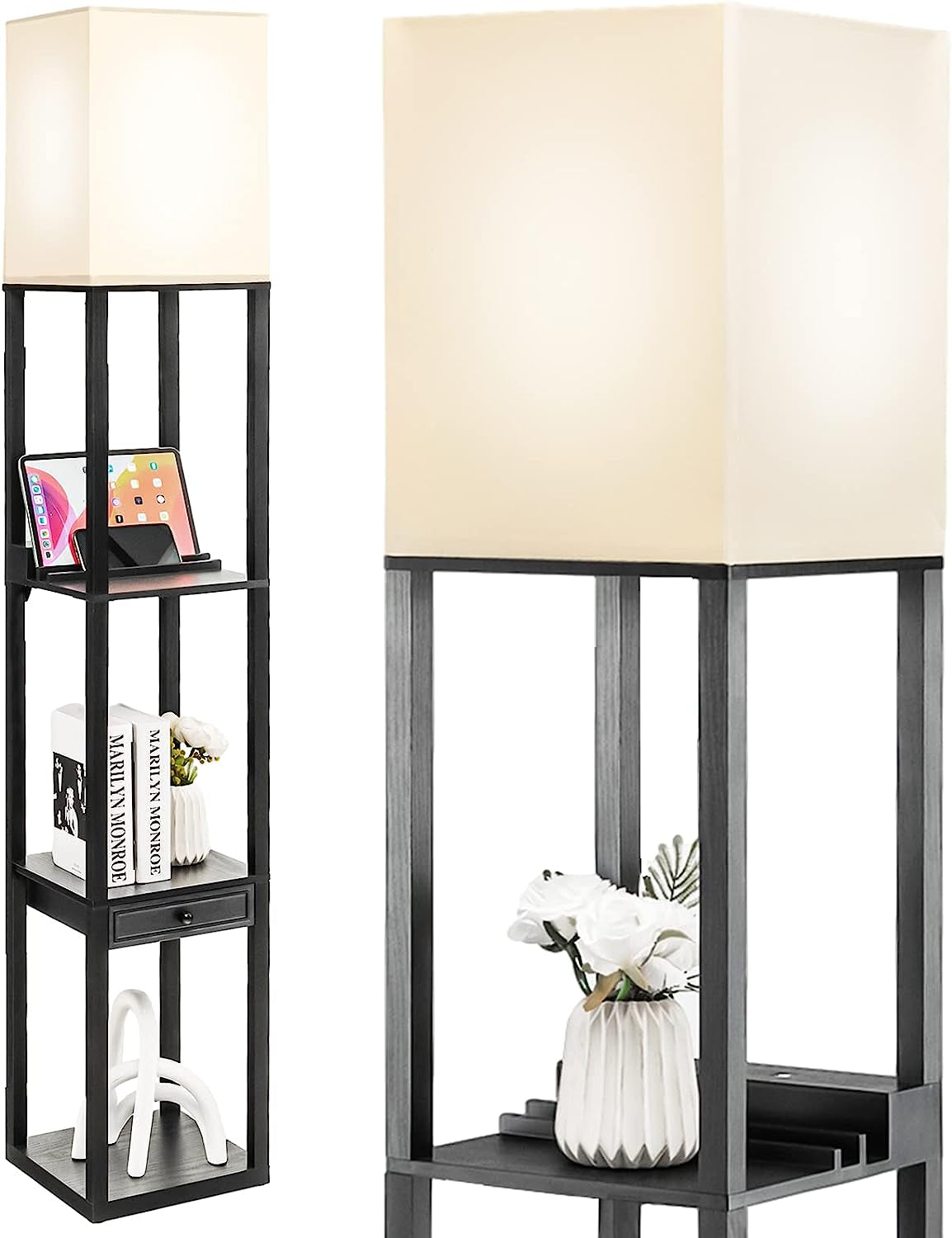
Where there is no room for a table lamp, a floor lamp beside the bed does the job without using the surface. A floor lamp with integrated shelving, a drawer and a USB port is 26 × 26 × 159.5 cm with three brightness levels and a 2.6 m cord, and effectively replaces the bedside table in a small room.
Changing a globe or plugging in a lamp is a household job. Anything hardwired, such as a wall-mounted reading light on a switched circuit, is electrical work and in Australia must be done by a licensed electrician.
The Four Things That Earn a Place
Beyond the lamp, a bedside table realistically holds three or four items. More than that and it stops working.
1. Light you can reach. Non-negotiable, and covered above.
2. Somewhere for a glass or cup. Leave actual clear space for it rather than assuming it will fit.
3. One functional item you genuinely use at night. A book, a charger, hand cream. One, not the drawer's worth.
4. One decorative item. A small plant, a candle, a framed photo. One that you chose, not three that accumulated.
Everything else goes in a drawer. A mobile unit with drawers beside the bed handles the overflow if your table has no drawer, and the wheeled version moves when you need to clean behind it.
Charging is the modern intruder. A phone, a watch and earbuds each with a cable turns a bedside table into a workbench. Keep one cable, or move charging off the surface entirely — the floor lamp above has a USB port built in for exactly that reason.
Apply the Same Styling Rules as Any Surface
Odd numbers. Three objects read as deliberate; two or four read as symmetrical, which is harder to get right.
Vary the height. Lamp tall, book stack medium, small object low. Three items of the same height is a row, not a grouping.
Vary the texture. Something matte, something with sheen, something living. A ceramic, a glass or metal piece, and a plant covers it.
Leave a third clear. This is the rule people skip and it is the difference between a styled table and a full one. It is also where the glass of water goes.
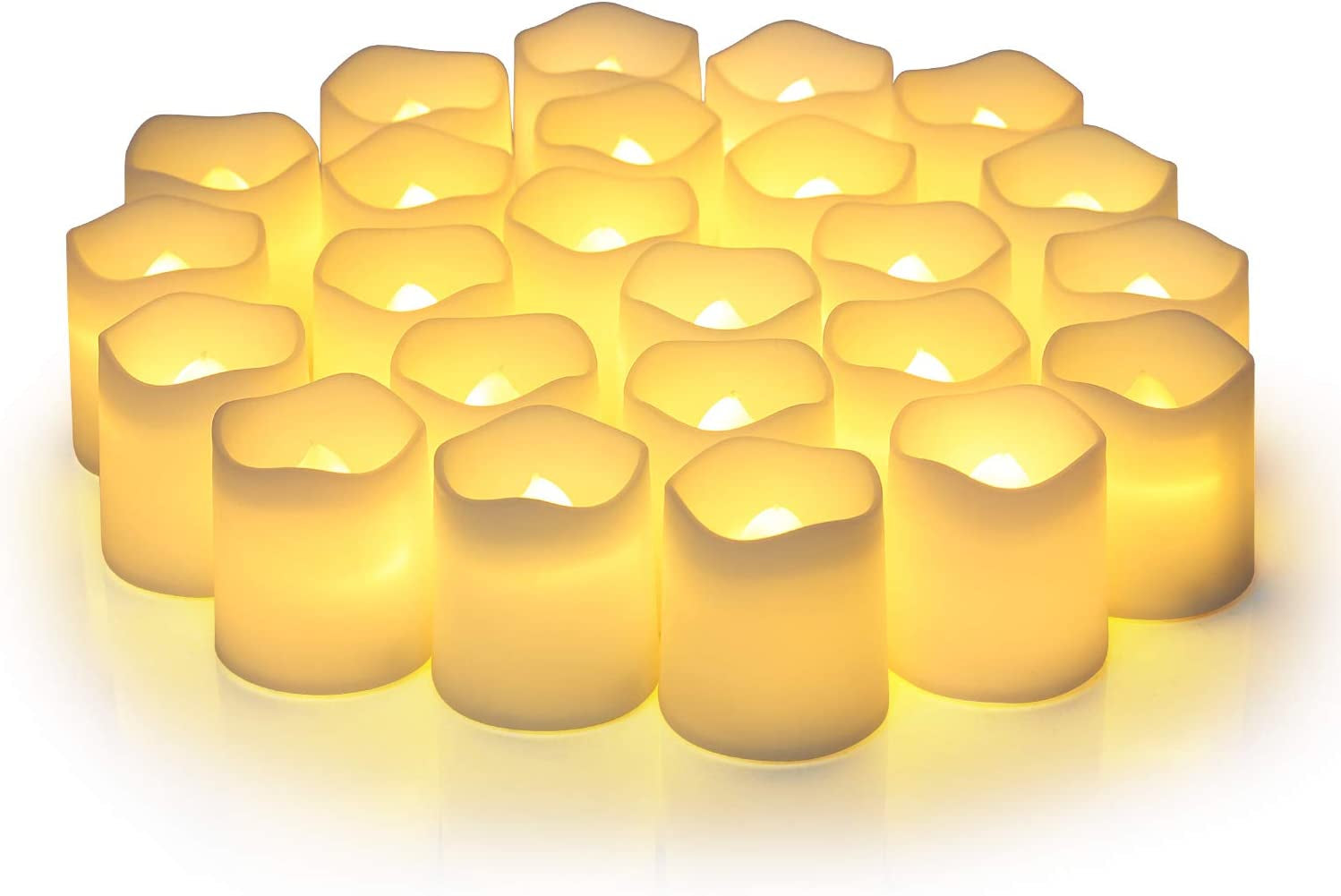
A flameless candle earns its place on a bedside table in a way a real one does not — a naked flame beside a bed with fabric nearby is a genuine hazard. Flameless LED tea lights give the flicker without it, running over 100 hours per battery.
Our guide to styling a bookshelf covers the same grouping principles in more depth, and cushion size and layering covers tying the bed itself together.
Two Tables or One?
Matching pairs look calm and are the safe choice beside a double bed or larger.
Deliberately mismatched tables work if they share a height and a material or colour — the height is the part that must match.
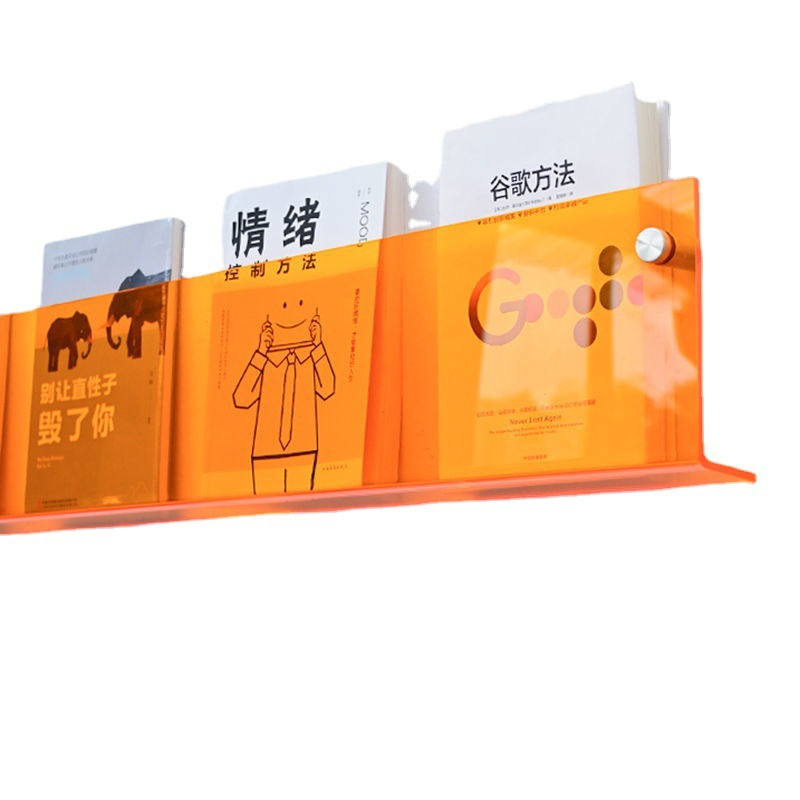
One table beside a Queen or King looks unbalanced. If space only allows one, a wall-mounted shelf or a floor lamp with a shelf on the other side restores the symmetry without needing the floor area. A clear acrylic wall-mounted shelf in 60 cm, 80 cm or 100 cm is one option, and it visually disappears — check the lease before fixing anything in a rental, and use rated anchors.
Ready to Reset Yours?
Clear it completely, get the lamp height right against your shoulder when sitting up, then put back only three or four things at varying heights. Leave a third of the surface genuinely empty — that is where the water glass lives and it is what makes the whole thing read as considered. Browse the full Pattan Australia range for bedside lighting and storage.
Frequently asked questions
What should you put on a bedside table?
Four things at most: a lamp you can reach, clear space for a glass or cup, one functional item you genuinely use at night, and one decorative piece. Everything beyond that belongs in a drawer, since a bedside table has to work at 11pm as well as look considered.
How high should a bedside table be?
Within about 5 cm of the top of the mattress. Too low and reaching for a glass is awkward; too high and it looms over the bed. Measure from the floor to the mattress top rather than to the bed frame, since a thick pillow-top mattress changes the figure considerably.
How tall should a bedside lamp be?
Position it so the base of the shade sits roughly level with your shoulder when you are sitting up in bed. Higher than that and the globe glares directly into your eyes; lower and the light pools on the table rather than falling on a book.
How do you style a small bedside table?
Reduce the number of items rather than shrinking them. On a small surface, the lamp plus one functional item plus clear space is enough. Consider moving light onto a floor lamp or wall shelf so the table surface stays free for the things you actually reach for.
Should bedside tables match?
Matching pairs are the calm, safe choice beside a double bed or larger. Deliberately mismatched tables work provided they share a height — height is the element that must match, while material and colour can differ if something ties them together.
Where should you charge your phone at night?
Ideally not on the bedside surface, since chargers and cables are what turn a bedside table into a workbench. If it must be nearby, keep a single cable rather than several, or use a lamp with a built-in USB port so the charging point is off the surface entirely.