Cart
0
Quick answer: Start with the light, not the chair — a reading nook without proper light becomes a place people sit during the day and abandon after dark.
TL;DR: Most reading nooks fail for one of two reasons: the light is wrong, or there is nowhere to put anything down. The chair gets all the attention and is rarely the problem. Reading light needs to come from beside and slightly behind you, at roughly shoulder height when seated, so the page is lit without the globe in your eye-line — that single detail decides whether the corner works at 9pm. After that, a nook needs a surface within reach, somewhere for the books, and something soft. Pick the corner by where the light already falls during the day and where the traffic does not, rather than by which corner is empty.
Key facts
- Reading light should come from beside and slightly behind the reader, not overhead.
- Position the lamp so the shade base sits near shoulder height when seated.
- Around 300 lux or more is the working target for sustained reading.
- Warm light near 2700 K suits evening reading; daylight-white is fatiguing at night.
- A nook needs a surface within arm's reach, or things end up on the floor.
Pick the Corner Properly
Choose by light and traffic, not by which corner is free.
Natural light during the day. Sit in the space at the time you would actually read. A corner that is beautiful at 10am and dark at 3pm will only ever be a morning spot.
Out of the walking route. A nook in a thoroughfare gets used as a shortcut and a landing spot for bags.
Backed by something. A wall, a bookshelf or a corner behind the chair makes a space feel enclosed. A chair floating in the middle of a room rarely gets sat in.
Near a power point. Everything below depends on it, and an extension lead crossing a walkway is not a solution.
Light Comes First
Reading light comes from beside and slightly behind you — over the shoulder, onto the page. Light from in front puts the source in your eye-line; light from directly overhead casts your own shadow onto the book.
Position the shade base near shoulder height when seated. Too high and the globe glares; too low and the light pools on the floor.
Aim for roughly 300 lux or more on the page for sustained reading. Our guide on how many lumens you need per room covers converting that to lumens for your space — target lux multiplied by floor area.
Warm light for evening. Around 2700 K. Daylight-white globes are fatiguing at night and work against winding down. Our guide on warm white versus cool white covers the choice.
Adjustable brightness matters more than the fitting. Afternoon reading and 10pm reading want different levels.
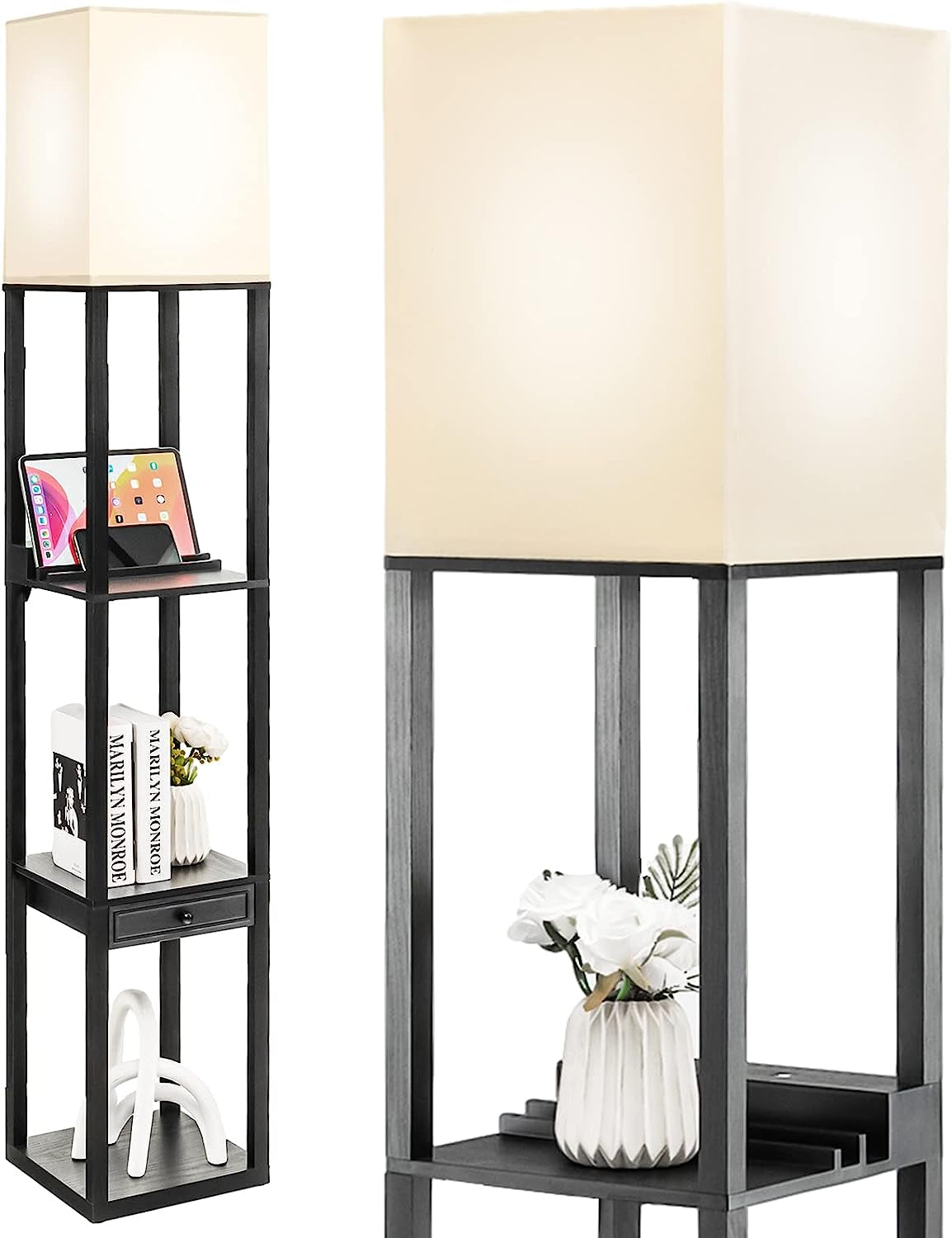
A floor lamp with integrated shelving, a drawer and a USB port is well suited to a nook because it solves light and surface together — three brightness levels on a pull chain, three open shelves, a drawer, and a 5 V/2 A USB port. It is 26 × 26 × 159.5 cm with a 2.6 m cord, which reaches a wall socket from beside a chair.
Our guide on how to choose a floor lamp covers height and shade type in more depth.
Anything hardwired — a wall light on a switched circuit — is electrical work and in Australia must be done by a licensed electrician. Plug-in lamps and globe changes are not.
A Surface Within Reach
This is the second most common failure. Without somewhere to put a cup, a book and your glasses, all three end up on the floor and the nook stops feeling restful.
It needs to be reachable without standing. A side table across the room is not a surface.
A lamp with integrated shelving does both jobs, which matters when floor space is tight.
Somewhere for the Books
Books within reach are the difference between a nook and a chair.
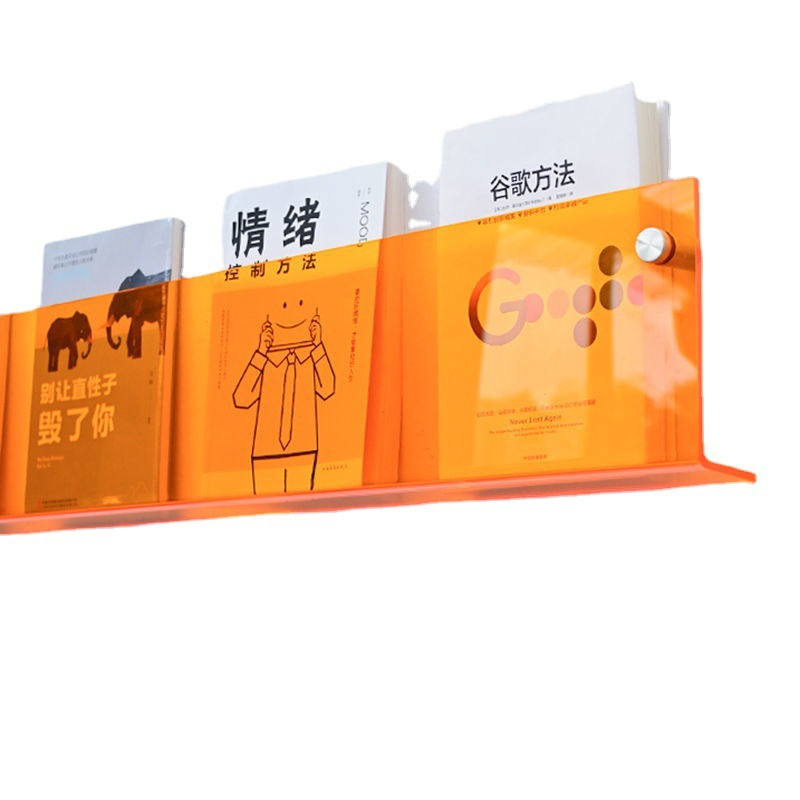
A clear acrylic wall-mounted shelf in 60 cm, 80 cm or 100 cm keeps books off the floor without visually crowding a small corner — the acrylic effectively disappears. A retro diamond iron and timber wall shelf at 50 × 19 × 50 cm is the decorative option, suited to paperbacks and small objects rather than heavy hardcovers.
Fix into studs where you can, or use rated plasterboard anchors chosen comfortably above the loaded weight. Check the lease first in a rental. Our guide on hanging wall art without damaging walls covers the options, and how to style a bookshelf covers the two-thirds rule once it is up.
Comfort and Atmosphere
Cushions do more for a reading chair than the chair usually gets credit for — particularly lumbar support, which is what determines whether you can sit for an hour. Our cushion size and layering guide covers proportions.
A throw within reach, because reading is sedentary and you cool down.
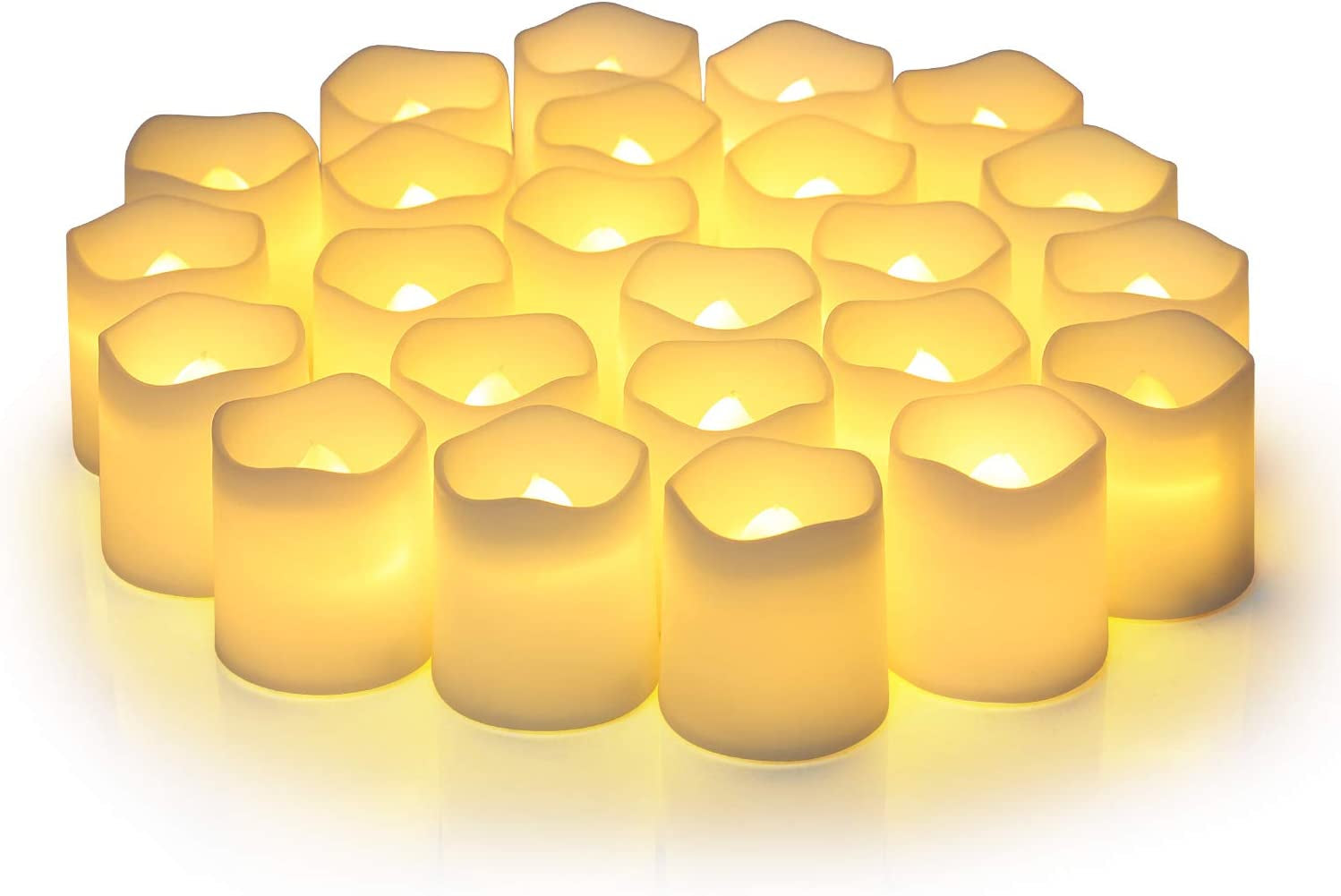
Soft light beyond the reading lamp. Flameless LED tea lights add warmth at low level with over 100 hours per battery and no flame — sensible in a corner with a throw, cushions and paper in it. Our flameless candles guide covers where they work.
Keep it uncluttered. A nook is a small space and clutter reads louder there than anywhere else.
What Makes a Nook Fail
- Overhead light only. The single most common cause.
- No surface within reach.
- Sited in a walkway.
- A chair that looks good but cannot be sat in for an hour.
- No power point, so the lamp never arrives.
- Too much in too small a space.
Ready to Build One?
Choose the corner by light and traffic, then solve the lamp before anything else — beside and slightly behind, shade base near shoulder height, warm and adjustable. Add a reachable surface and somewhere for books, and stop there. Browse the full Pattan Australia range for lighting and shelving.
Frequently asked questions
What is the best lighting for a reading nook?
Light from beside and slightly behind the reader, with the shade base near shoulder height when seated, so the page is lit without the globe in your eye-line. Aim for around 300 lux or more on the page, in warm light near 2700 K for evening reading.
Where should a reading nook go?
Where natural light falls at the time you actually read, out of the household walking route, and backed by a wall, corner or bookshelf so the space feels enclosed. It also needs a power point nearby, since the lamp is the element the whole nook depends on.
What do you need for a reading nook?
Four things: light positioned correctly, a comfortable seat you can occupy for an hour, a surface within arm's reach, and somewhere for books. Anything beyond that is decoration, and in a small corner extra items work against the space.
Why does my reading corner never get used?
Usually the light. A corner lit only by an overhead fitting is comfortable in daylight and abandoned after dark. The second most common cause is having nowhere to put a cup or a book down, which makes the space feel unrestful rather than inviting.
How do you make a reading nook in a small space?
Choose pieces that do two jobs — a lamp with integrated shelving solves light and surface together — and go vertical for books with a wall-mounted shelf. Keep the item count low, since clutter reads far louder in a small corner than in a large room.
What colour light is best for reading at night?
Warm light around 2700 K. Daylight-white and cool-white globes are more fatiguing in the evening and work against winding down. Adjustable brightness matters more than the specific fitting, since afternoon and late-night reading want different levels.