Cart
0
Quick answer: Use several modest light sources spaced along the hallway rather than one bright fitting in the middle, and add something low-level for night — one central fitting leaves both ends dark and dazzles anyone walking under it.
TL;DR: Hallways are lit badly more often than any other room, because they get treated as a room rather than a route. A single fitting in the centre produces a bright patch under itself and shadow at both ends, which is exactly wrong for a space you move through. Spacing several sources along the length gives even light, which reads as calm and is genuinely safer on steps and level changes. Aim for roughly 100 to 150 lux — a hallway does not need to be as bright as a kitchen and over-lighting it makes the rooms leading off it feel dim by comparison. Then add low-level night lighting, because the main reason hallway lighting matters is the walk at 2am.
Key facts
- Aim for roughly 100 to 150 lux in a hallway — less than a kitchen or workspace.
- Space fittings evenly along the length rather than centring one.
- Even light matters more than bright light in a route space.
- Low-level night lighting prevents the dazzle of switching on a main light at 2am.
- Match colour temperature to the rooms leading off the hallway, or the transition jars.
- Anything hardwired requires a licensed electrician in Australia.
Why One Central Fitting Fails
A hallway is a route, not a room. You move along it rather than occupying it, so the lighting needs to work along its length.
One fitting in the middle produces a bright pool underneath and darkness at both ends. That is the opposite of useful, and the contrast makes the dark ends look darker than they are.
It also puts the light directly overhead, which flattens everything and casts your own shadow forward as you walk.
Even beats bright. Several modest sources spaced along the hallway produce a calmer, safer result than one strong source, at a similar total output.
Work Out the Level
Roughly 100 to 150 lux is the target for a hallway. That is lower than a kitchen at 200 to 300 lux and much lower than a workspace.
Do not over-light it. A hallway brighter than the rooms it connects makes those rooms feel dim when you walk in, and the whole house reads badly.
The calculation is target lux multiplied by floor area. A hallway 1.2 m wide and 6 m long is about 7.2 m², so 150 lux is roughly 1,080 lumens total — spread across two or three fittings rather than concentrated in one. Our guide on how many lumens you need per room covers the method and the adjustments for ceiling height and wall colour.
Dark walls need more. A hallway is often narrow with a lot of wall area relative to floor, so wall colour matters more here than in an open room.
Spacing and Placement
Space fittings evenly along the length, roughly at equal intervals, rather than clustering them.
Light the level changes. Steps, thresholds and turns are where people trip, and they deserve a light source near them regardless of the even spacing.
Light the doorways. A hallway is defined by the doors along it, and light near each one helps orientation at night.
Wall lights change the feel considerably compared with ceiling fittings, throwing light up and down the wall rather than straight down. In a narrow hallway they can be a better answer than downlights.
Mirrors extend light. A mirror opposite or adjacent to a light source effectively doubles its reach in a narrow space — our guide on how to choose a wall mirror covers placement.
Colour Temperature and Control
Match the rooms leading off it. If the living areas are warm at 2700 K and the hallway is daylight-white, every transition jars. Our guide on warm white versus cool white covers choosing by room.
Consistency along the hallway matters too. Mixed colour temperatures in one corridor read as a fault.
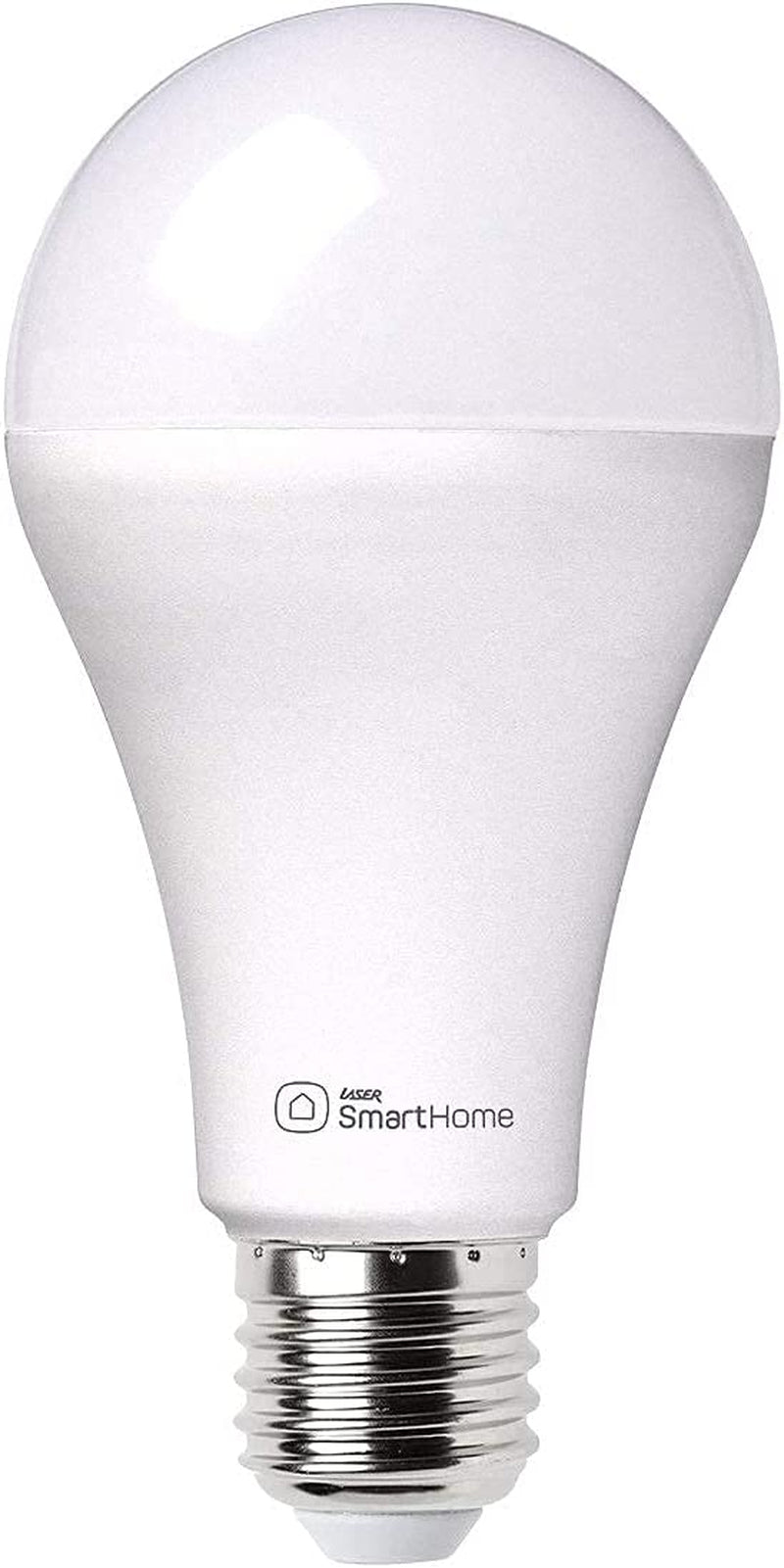
Dimming is genuinely useful here, because a hallway wants full light during the day and very little at night. A WiFi smart dimmable E27 bulb puts the dimming in the bulb rather than the wiring, which avoids touching the circuit — useful in a rental. It runs at 240 V and works with voice assistants.
If you prefer not to use an app, our guide on how to dim a lamp without rewiring covers the alternatives.
Check the cap before buying. Australian homes mostly use B22 bayonet and E27 Edison screw. A B22 bayonet LED at 15 W and 1,350 lm, CRI 90 or an E27 10 W, 1,400 lm globe cover general fittings — our light bulb fitting types guide covers identifying which you have.
Night Lighting Is the Point
The main reason hallway lighting matters is the walk at 2am, and a full ceiling light at that hour is dazzling and wakes you properly.
Low-level, warm, and always available is what you want. A star projector night light runs from any USB source with a flexible neck, which suits a hallway power point. Our guide on how to choose a night light covers placement and the warm-light rule.
Motion-activated is the ideal behaviour for a corridor — light when you are in it, nothing when you are not.
Light the floor, not the eye. Low-mounted light guides without waking you.
Entryways Have an Extra Job
An entry needs enough light to find keys and see faces, which is a slightly higher requirement than a corridor.
It also needs somewhere to put things down, or the lighting question becomes irrelevant. Our guide on organising a small entryway covers that, and how to style a console table covers the surface itself.
Outside the door, motion-activated is the sensible default. A solar motion sensor wall light offers a 120-degree sensor angle and 8 to 10 m detection with three modes, and needs no wiring at all.
Anything hardwired is electrical work. Installing or moving a ceiling fitting, adding wall lights or fitting a wall dimmer must be carried out by a licensed electrician in Australia. Changing globes and plugging in a night light are not.
Ready to Fix Yours?
Stop trying to light a hallway with one fitting. Space several modest sources along its length, hold it around 100 to 150 lux rather than over-lighting, match the colour temperature to the rooms it connects, and add something low and warm for the night walk. Browse the LED lights collection.
Frequently asked questions
How bright should a hallway be?
Around 100 to 150 lux, which is lower than a kitchen at 200 to 300 lux. A hallway brighter than the rooms leading off it makes those rooms feel dim on entry. Multiply the target lux by the floor area to get the total lumens, then spread that across several fittings.
How far apart should hallway lights be?
Evenly along the length rather than clustered or centred, with additional light near steps, thresholds, turns and doorways regardless of the regular spacing. Even coverage matters more in a route space than peak brightness does.
Why does one ceiling light not work in a hallway?
Because a hallway is a route rather than a room. A single central fitting creates a bright pool beneath itself and shadow at both ends, and the contrast makes those ends look darker than they are. It also casts your own shadow forward as you walk.
What is the best night light for a hallway?
Something low-level, warm and motion-activated where possible, mounted to light the floor rather than the eye. The purpose is the 2am walk, and a full ceiling light at that hour is dazzling enough to wake you properly rather than letting you return to sleep.
What colour light should a hallway be?
Match the rooms it connects. If living areas run warm around 2700 K, a daylight-white hallway makes every transition jar. Keep colour temperature consistent along the corridor itself as well, since mixed temperatures in one space read as a fault.
Do I need an electrician to change hallway lighting?
To change a globe or plug in a night light, no. To install or move a ceiling fitting, add wall lights, or fit a wall dimmer, yes — that is electrical work and must be carried out by a licensed electrician in Australia. Smart dimmable bulbs avoid the wiring question entirely.